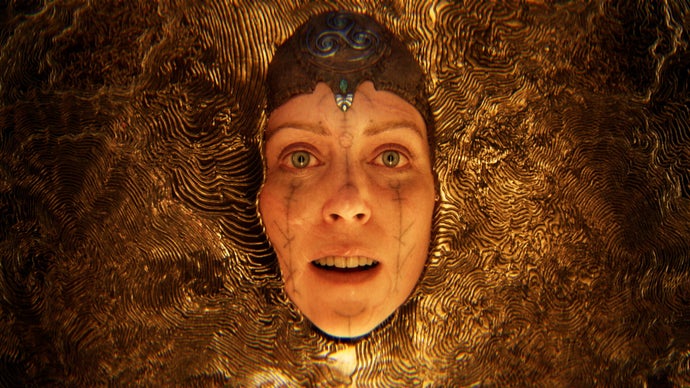
The reveal of Ninja Theory’s latest project, a game titled Senua, at this year’s Summer Game Fest was a moment filled with excitement for fans of the developer behind Hellblade. However, what should have been a celebration has quickly turned into an unsettling revelation about the studio’s precarious position within Microsoft’s gaming empire. Recent reports indicate that the showcase wasn't just about unveiling a promising new title but instead served a strategic purpose tied to the studio's uncertain future.
Ninja Theory is among the several studios owned by Microsoft that are reportedly facing a heavy cloud of ambiguity. The tech giant is reportedly considering either closing or spinning off several of its Xbox-associated developers. When the announcement of Senua emerged, many assumed it was a sign of hope and momentum for Ninja Theory. Yet, it appears that the internal reality is much more complex. Microsoft’s executives were focused on leveraging the announcement as a means to attract potential investors, effectively turning the showcase into a bid for the studio’s survival.
It’s a disconcerting narrative that highlights not just the challenges facing Ninja Theory but also illustrates broader issues within Microsoft’s approach to game development. The gaming landscape has shifted dramatically in recent years, with companies grappling to strike a balance between investment and sustainability. The announcement of Senua might have been intended to project confidence, but it raises questions about whether it was a genuine commitment to the game or if it was just a last-ditch effort in a struggling corporate strategy.
For Microsoft, the implications of this situation are profound. The tech giant has heavily invested in its gaming division, and yet, even after acquiring multiple studios, it finds itself at a crossroads. In the face of such uncertainties, one has to wonder about the long-term vision and how these decisions might affect the creative output of studios like Ninja Theory, which have proven their capability to innovate and deliver unique experiences.
Ninja Theory has built a reputation for crafting deeply emotional narratives and distinct visual styles, and Senua promises to continue that legacy. However, if investor interest does not materialize, we could see another promising developer fade into obscurity. The industry has seen its share of studios vanish under similar circumstances, making it crucial for the gaming community to rally around those at risk.
The current climate within the gaming sector often feels like a reminder of the business side of creativity. Games are not solely artistic endeavors; they are products that require consumers and investors alike. As audiences grow more vocal about their favorite developers and franchises, the hope would be that this visibility can bolster businesses that are struggling. The potential fallout from a failed attempt to attract investment could mean the loss of not only a talented studio but also a unique voice in the gaming narrative.
So, as fans eagerly await more details on Senua, it’s easy to feel a tinge of anxiety about what the future holds for Ninja Theory. One can only hope that the combination of talent and fan support will help sway the tides in their favor, allowing them to forge ahead instead of becoming another footnote in gaming history. In this ever-evolving landscape, every announcement carries weight, and the future of Ninja Theory hangs in the balance, contingent on factors far beyond its creative prowess.