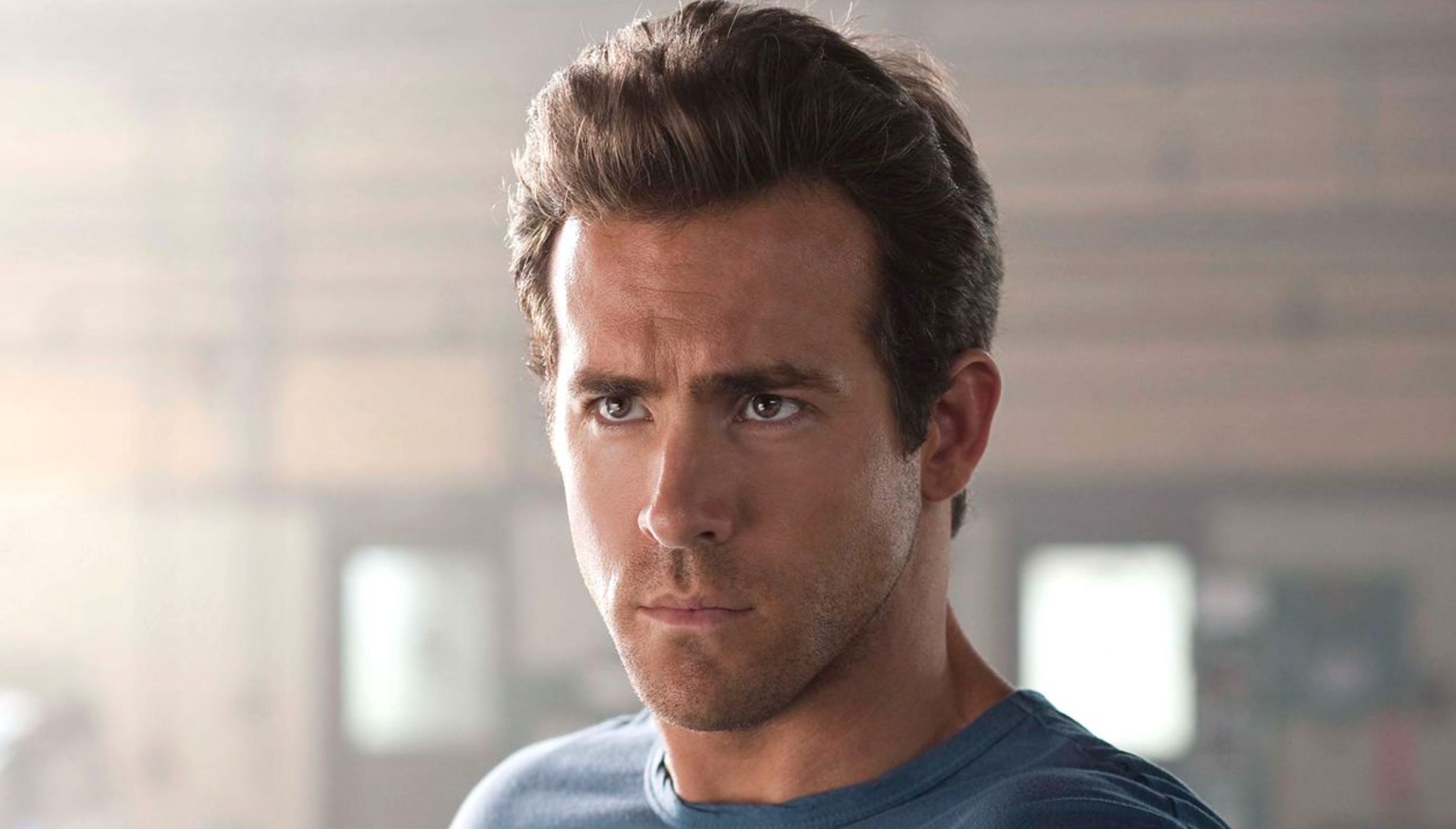
Fifteen years have passed since Ryan Reynolds donned the green suit of Hal Jordan in the ill-fated Green Lantern. Often dismissed as a clumsy attempt to bring yet another superhero to the big screen, the film stands out not just as a critical misstep but as a transformative experience for Reynolds himself. While it may seem like a mere footnote in the expansive universe of superhero cinema, Green Lantern played a pivotal role in shaping Reynolds' subsequent career and, perhaps, the entire landscape of comic book adaptations.
When Green Lantern hit theaters in 2011, expectations were sky-high. Fans of the comics were eager to see the Green Lantern Corps come to life, promising intergalactic adventures filled with humor and heart. Instead, audiences received a muddled narrative weighed down by lackluster special effects and a villain who failed to resonate. The film, as we know all too well, did not find the success its creators had envisioned, leaving many puzzled about how such a beloved character could end up in such a tangled mess.
For Reynolds, the aftermath was brimming with harsh lessons. He had been a part of the superhero pantheon before—his portrayal of Wade Wilson in X-Men Origins: Wolverine was another misfire in an era when comic book films were often hit or miss. However, Green Lantern solidified a crucial turning point. It wasn't just about making a comic book movie; it was about resonance and authenticity. The fracture between what audiences wanted and what they were being served became painfully clear.
And therein lies the irony. Reynolds' tenure as Green Lantern, marked by disappointment, inadvertently acted as the catalyst for one of the most successful transformations in modern cinema: the birth of Deadpool. When Reynolds took the reigns of the antihero in his own standalone film, he embraced what had been missing from his previous endeavors. Deadpool was unapologetically self-aware, breaking the fourth wall and weaving in humor that felt organic rather than forced. The result was a game changer for the genre and for Reynolds, transforming him from a Hollywood leading man that struggled within the confines of superhero expectations to one of the most pivotal faces in modern cinema.
In retrospect, it’s fascinating to witness how a single film, mired in the prefix of failure, can leave such a profound impact. Green Lantern was a turning point not just for Reynolds but for the way studios approach comic adaptations. After that cinematic stumble, there was an unmistakable shift. More freedom and authenticity began to prevail, giving birth to a generation of superhero films that resonate at a deeper level with audiences. Whether it's the gritty realism of The Dark Knight or the irreverent charm of Deadpool, filmmakers began prioritizing character narratives and emotional stakes over sheer spectacle.
Ryan Reynolds’ evolution from a miscast hero to a beloved antihero is a testament to resilience. He took the wounds inflicted by Green Lantern and reframed them as lessons that guided him in crafting one of the most beloved superhero narratives to date. In the grand tapestry of film history, Green Lantern may be remembered as a failure. Yet for Reynolds, it was the crucial, albeit painful, stepping stone that paved the way for a rich career defined by authenticity, humor, and a little bit of chaos. As we celebrate Deadpool's continued success and Reynolds’ career trajectory, it’s clear that even the most crushing failures can lead to something extraordinary.