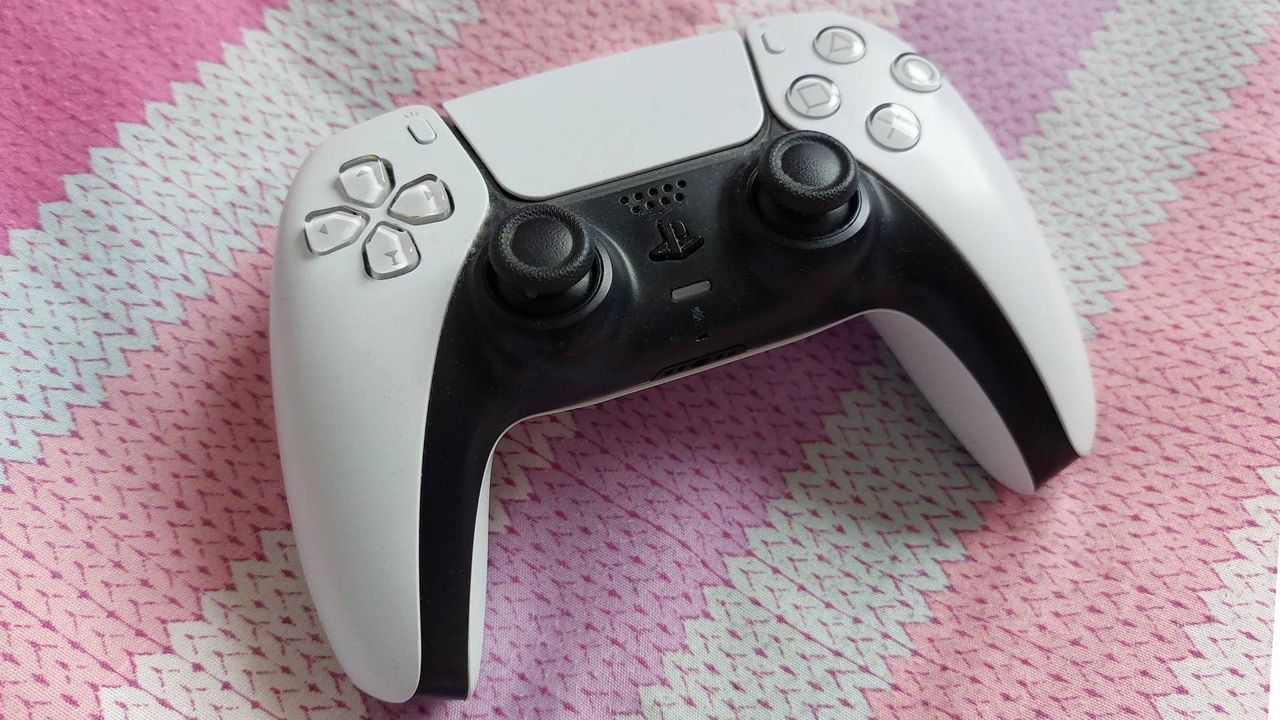
In a world where gaming technology continuously evolves, the DualSense controller has undoubtedly made its mark. With its impressive haptic feedback and adaptive triggers, it set a new standard for the immersive experience players crave. But there’s a lingering issue that casts a shadow over its acclaim: stick drift. It’s a problem that has plagued controllers for years, and the DualSense is no exception. Despite the advancements, players have found themselves wrestling with frustrating drift issues that can ruin the enjoyment of their favorite titles.
Yet, in the midst of these ongoing concerns, there are whispers about the future of controller tech coming from Sony. Reports suggest that the company is exploring the potential of magnetic technology for its next-generation controllers, particularly for their buttons. This innovation could not only address some of the pressing issues faced by current designs but also push the boundaries of how we interact with games.
Imagine a controller where the buttons can dynamically change shape based on the game you're playing or even adapt their functionality on the fly. It’s a fascinating proposition and one that could redefine how we think about interaction in gaming. The idea of interchangeable button shapes and feedback could elevate not just playability but also the level of immersion. If done right, it could mean that a controller is not merely a device but an integral part of the gaming experience, adjusting to fit the narrative or mechanics of each game.
However, any innovation comes with its own set of challenges. Magnetic technology may offer a design that reduces wear and tear, potentially expanding the lifespan of the controller and eliminating stick drift issues that continue to plague many gamers. Still, there's the question of practicality. Would such technology provide a consistent and reliable performance over time? Players are notoriously picky about their gear, and any new design must not only be innovative but also reliable and intuitive.
Moreover, there's great excitement around the possibility of such an approach. A customizable controller could provide players with unique experiences depending on their preferences and play styles. Imagine sliding into a racing game where your buttons shift to a layout that mimics real-life car controls, or a first-person shooter where the triggers configure themselves for rapid-fire or precise aiming. The opportunities here are limited only by our imagination.
Sony has consistently pushed the envelope when it comes to interactive gaming. With the PS5 and its DualSense controller, the company has shown a commitment to enhancing gaming experience through technology. While it’s important that they address current issues like drift, the prospect of magnetic tech could place them even further ahead in the industry.
As we look to the future, it’s essential to remain hopeful yet critical. Change is often met with skepticism, especially within a community that has seen countless iterations of the same fundamental technology. Players will undoubtedly be watching closely, awaiting tangible developments and improvements that match the hype.
Until then, those of us tethered to current controllers will have to navigate the quirks and frustrations that define our gaming sessions. Let’s hope Sony’s diligent exploration into magnetic technology leads to a revolution in how we engage with games, creating controllers that truly keep pace with the evolution of gaming itself. Only time will tell if these innovations become a reality, but the anticipation is part of the thrill that makes gaming so engaging.