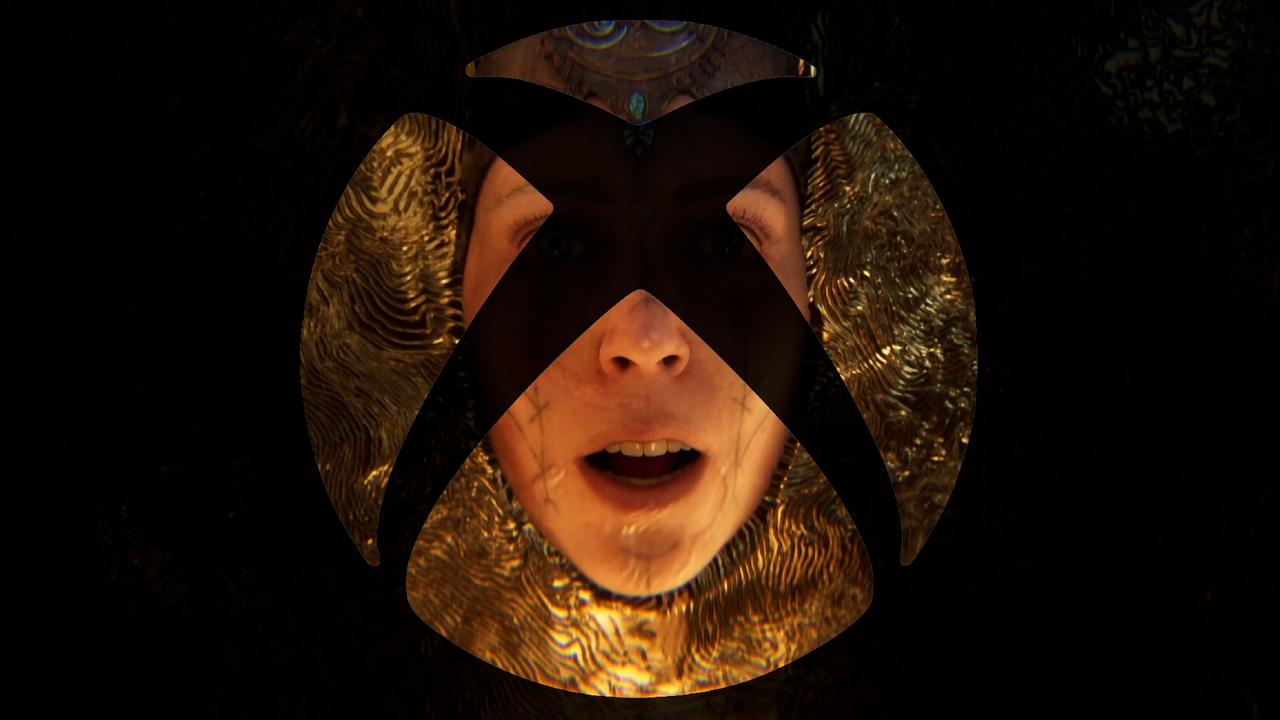
In the ever-turbulent world of video game development, the recent news surrounding Microsoft's relationship with Ninja Theory raises eyebrows and questions. Despite the excitement surrounding the announcement of the studio’s next game, it appears that the tech giant may have had ulterior motives. Reports suggest that Microsoft was already contemplating significant changes with Ninja Theory, potentially signaling a strategic reevaluation rather than a celebration of new creations.
Ninja Theory has long been known for its ambitious storytelling and innovative gameplay mechanics. Their breakout title, Hellblade: Senua’s Sacrifice, was both a critical and commercial success, paving the way for the studio's burgeoning reputation in the industry. So when Microsoft acquired the studio as part of its broader strategy to bolster its first-party lineup, it seemed like a winning combination. But the excitement surrounding that acquisition now feels overshadowed by whispers of impending upheaval.
The timing of this potential fallout is curious. The studio just released a promising announcement trailer for its next game, yet behind the fanfare lies a murky undercurrent. Reports indicate that Microsoft had been weighing its options regarding Ninja Theory, aiming to either sunset the studio or break it apart before the ink even dried on their collaboration agreement. This isn’t just a routine corporate decision; it reveals a troubling pattern in how major players in the gaming industry approach their acquisitions.
When a company like Microsoft, with its vast resources and deep pockets, decides to invest in a studio like Ninja Theory, fans anticipate a flourishing partnership. Yet, the idea of evaluating their worthiness so soon after acquisition raises questions about trust and the long-term vision for such relationships. Is it merely a numbers game for Microsoft, or do they genuinely seek to nurture and develop talent?
As the gaming landscape evolves, studios often find themselves under immense pressure to deliver results. It’s difficult to ignore the fact that, in striving for success, some companies may lose sight of the creative processes that make games truly special. The alleged move by Microsoft throws a wrench into that very notion, suggesting perhaps that the business side of gaming is beginning to overshadow the passion that drives artistic expression.
This situation also begs a deeper examination of the culture within game development. With studios increasingly finding themselves at the mercy of corporate decisions, we risk losing the unique voices that make gaming such a vibrant medium. The creative teams behind games like Hellblade pour their hearts into their projects, crafting experiences that resonate on a personal level. If decisions about their futures are made from a distant boardroom, the industry could suffer a tangible loss of innovation.
Moving forward, the gaming community will undoubtedly keenly watch to see how this unfolds. Can Ninja Theory continue to thrive under the shadow of uncertainty? Will Microsoft reevaluate its approach to managing its acquisitions, perhaps adopting a more supportive framework that allows creativity to flourish? Fans and industry insiders alike hope for more than just corporate maneuvering; they want to see game development as a collaborative journey rather than a transactional obligation.
As we await further developments, it remains clear that the delicate balance between business strategy and artistic freedom continues to challenge both creators and executives alike. The future of Ninja Theory and its next project hangs in the balance, charged with the potential for either remarkable innovation or further strife within a complex industry. In a realm where creativity should reign, it's disheartening to observe motives that often seem dictated by shareholder interests rather than a commitment to the craft itself.