The Guild: Europa 1410 marks an intriguing return to medieval strategy, presenting itself as a reboot of the 2002 classic Europa 1400: The Guild. Developed by 4HEAD, the studio that brought us the acclaimed World War simulation Last Train Home, this new title offers a blend of historical setting and strategic gameplay that bears a striking resemblance to the boardgame complexities found in Kingdom Come: Deliverance, albeit with a top-down twist.
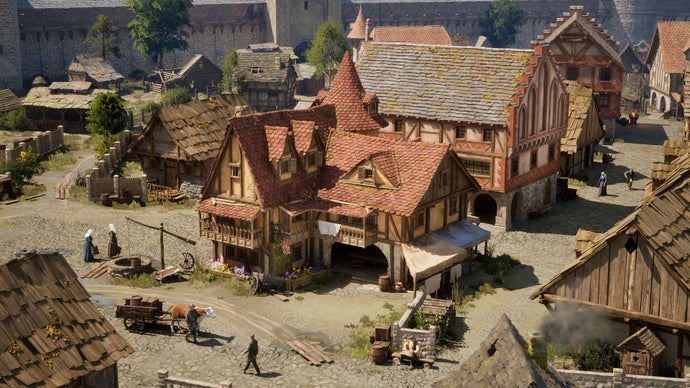
As I dove into the Steam demo, I found myself immediately grappling with the first challenge: figuring out my place in this digitally recreated world. Set in Kuttenberg, a Czech city that might ring a bell for fans of Kingdom Come: Deliverance, the environment is beautifully crafted. The streets are adorned with the kind of details you’d expect in a living, breathing medieval town, full of wheel-rutted roads and houses constructed of wattle and daub. The graphic style pulls you in, evoking a sense of immersion as you navigate through vibrant patches of vegetables, windmills, and furnaces, inhabited by NPCs donned in authentically muted clothing of the period.
There’s a day-night cycle and varying weather conditions which certainly lend a charming realism to the whole affair, even if it can be a bit overwhelming from a bird’s-eye perspective. At times, it felt like attempting to make sense of an intricate tapestry filled with activity, with a strong emphasis on the details of everyday medieval life. Thank goodness for the highlighting function, which allows players to distill the chaos into something more manageable, focusing on what’s essential amidst the artistic clutter.
What really strikes me is how the game feels like a sophisticated merging of strategy and simulation. There’s an undeniable depth here that goes beyond mere tactical maneuvers. The emotional weight of your decisions is palpable, and the stakes feel genuinely high. The interactions between characters and the need for alliances or rivalries can shape your experience significantly, and that element of unpredictability adds a rich layer to the gameplay.
And speaking of the players, the game introduces various character roles, each with unique strengths and weaknesses that affect your strategy. It’s a familiar design philosophy, yet it demands that you engage thoughtfully with every decision. You’re not merely a faceless overlord directing armies. Instead, you become part of the intricate social fabric, which makes the gameplay richer, though it can occasionally veer into the territory of micromanagement that some might find burdensome.
There’s a fine balance to be struck between enjoying the quaint charm of the town and managing the intricate systems at play. Some players will relish in the challenges and complexities, akin to balancing a cumbersome boardgame with too many moving pieces, while others might find it a bit fussy. It’s a matter of preference, but it’s worth noting that the deeper you dive, the more rewarding the experience becomes.
As I wrapped up my encounter with the demo, I found myself eager to explore what lies beyond the confines of Kuttenberg. The potential for storytelling entwined with strategy is tantalizing, leading me to ponder how The Guild: Europa 1410 will evolve once fully realized. In a gaming landscape rich with choice, this title stands as a noteworthy contender, weaving its way into the hearts of those yearning for a thoughtful medieval experience.