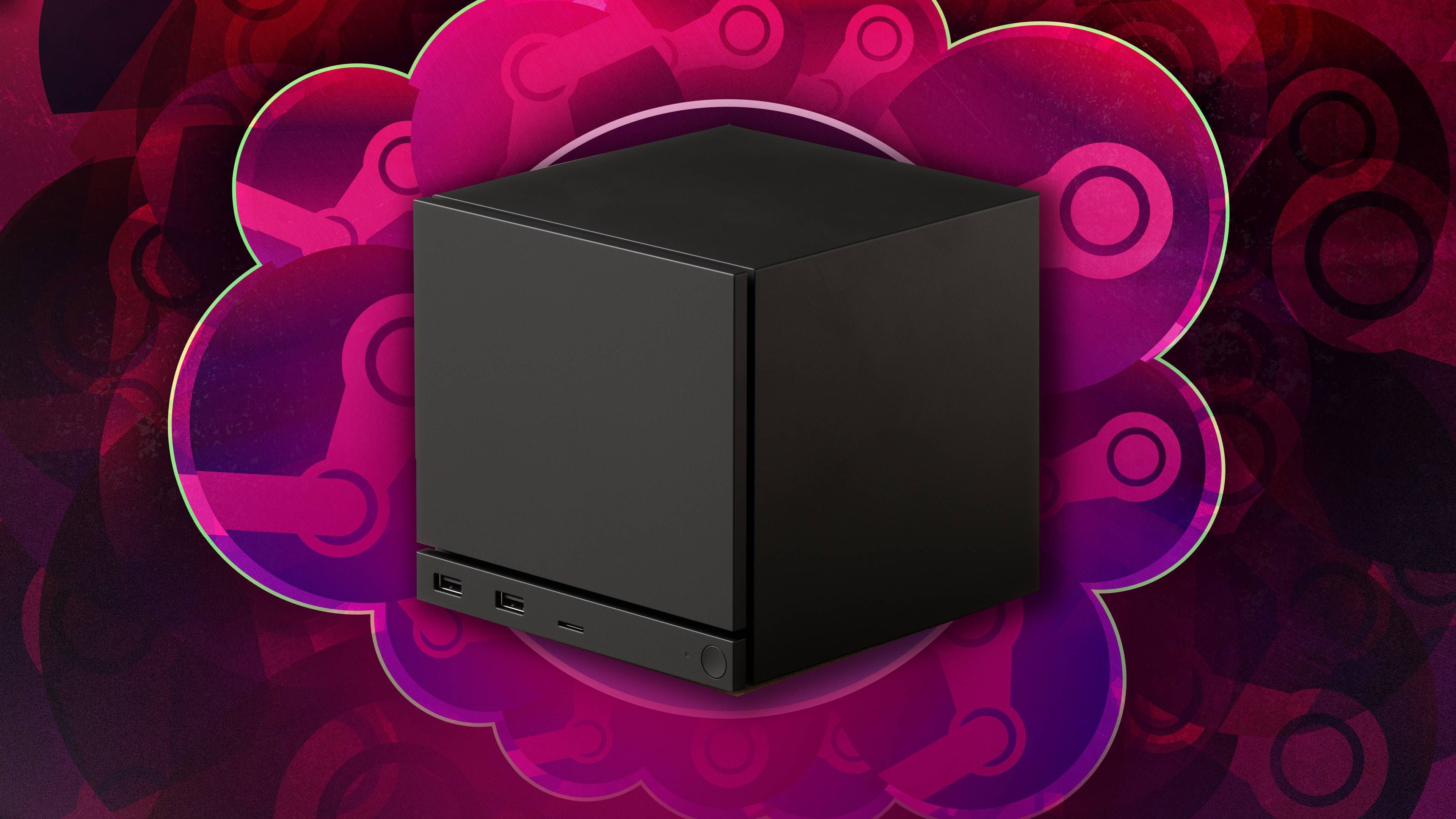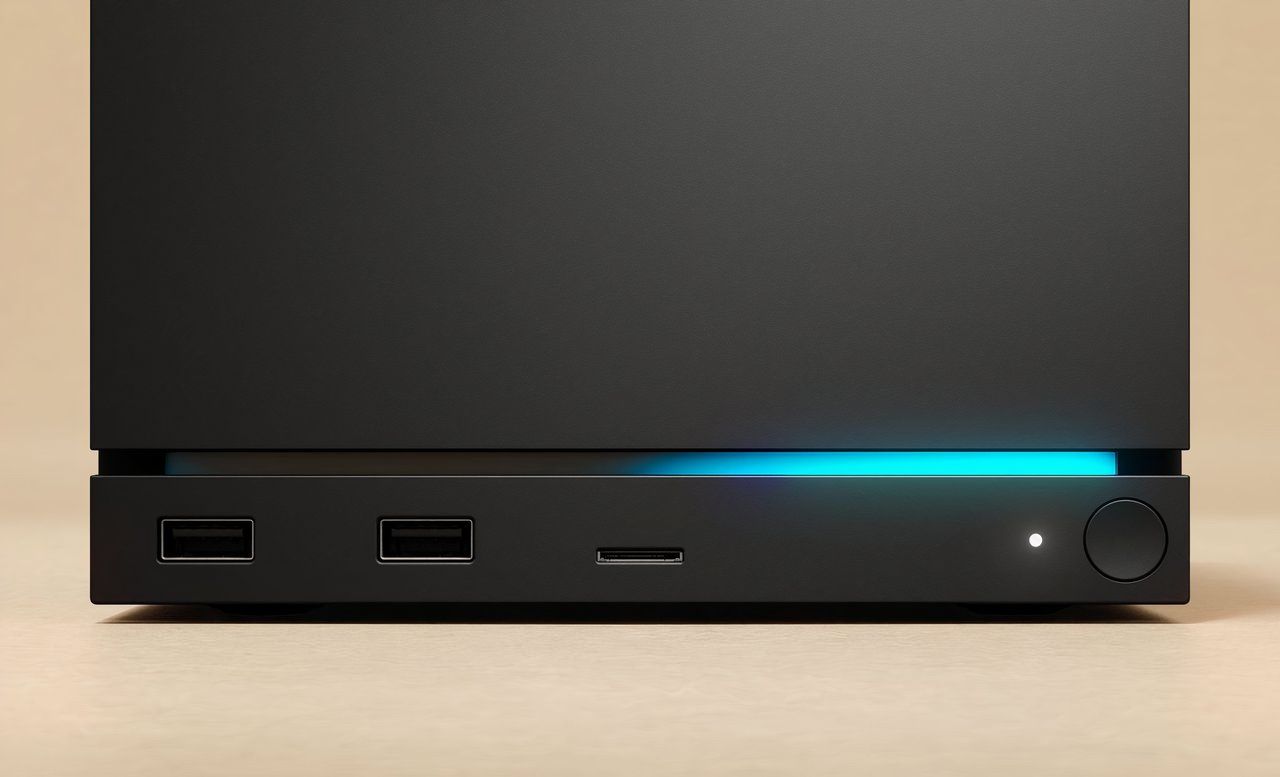
Valve has recently made headlines with an intriguing twist in the ongoing narrative of gaming hardware. For those who have been either skeptical or simply unable to get their hands on a Steam Machine, the company has thrown a curveball that might just change the game. Instead of relying on pre-built systems, Valve is now encouraging PC gamers to roll up their sleeves and construct their own machines. This DIY approach is made all the more viable with the arrival of SteamOS 3.8, which now boasts robust support for AMD hardware.
This shift seems to acknowledge a growing sentiment among gamers who prefer the flexibility and personalization that come with building their own rigs. The gaming community has long cherished the benefits of custom-built PCs, from selecting specific components to optimizing performance for diverse gaming experiences. With SteamOS 3.8 enhancing compatibility with AMD processors and graphics cards, the path to a personalized Steam Machine is clearer than ever. This essentially democratizes access to the Steam Machine experience, allowing players to prioritize their own preferences over what a manufacturer deems best.
SteamOS 3.8 represents a significant update that not only nudges potential buyers towards DIY options but also reinforces Valve's ongoing commitment to breathing new life into the Linux gaming landscape. While there have always been hurdles when it comes to gaming on Linux, this latest iteration appears to narrow that gap. Improved support for AMD hardware is particularly noteworthy; AMD's processors and graphics cards continue to offer stellar performance and value, making them a logical choice for gamers looking to build a budget-friendly yet powerful system.
For many, the idea of constructing their own gaming machine can sound daunting, but this is where Valve's messaging becomes crucial. The company is not just relinquishing responsibility for creating Steam Machines but is also presenting a viable alternative, making it easier than ever for gamers to forge their own path. With extensive guides and an active community, those taking the plunge can find all the resources they need to tailor their experience to suit their gaming habits and preferences.
The implications of this shift are vast. It opens the door for a new wave of creativity within the gaming community, where players can assemble systems that not only meet their performance needs but also echo their personal tastes. Imagine a Steam Machine that showcases your choice of RGB lighting or features the latest in cooling technology—all curated by your own hand. This kind of personalization is a cornerstone of PC gaming culture, celebrated for its commitment to individuality.
While some may still prefer the simplicity of purchasing a ready-made machine, Valve’s encouragement to build your own is a bold move that acknowledges the unique strengths of the PC gaming ecosystem. It plays into a narrative where the player doesn’t just engage with the gaming experience, but also crafts it—designing systems that reflect their aspirations and desires. The blending of Valve’s technological advancements with the creativity of the gaming community promises an enhanced alternative to traditional consoles.
So, whether you’re an experienced builder ready to dive into this opportunity or an interested novice contemplating your first build, Valve is sending a clear message: the Steam Machine experience is adaptable and within reach. As we watch this chapter unfold, it’s evident that Valve’s push for DIY Steam Machines could redefine the way gamers interact with their platforms, making it an exciting time to be involved in the world of PC gaming.