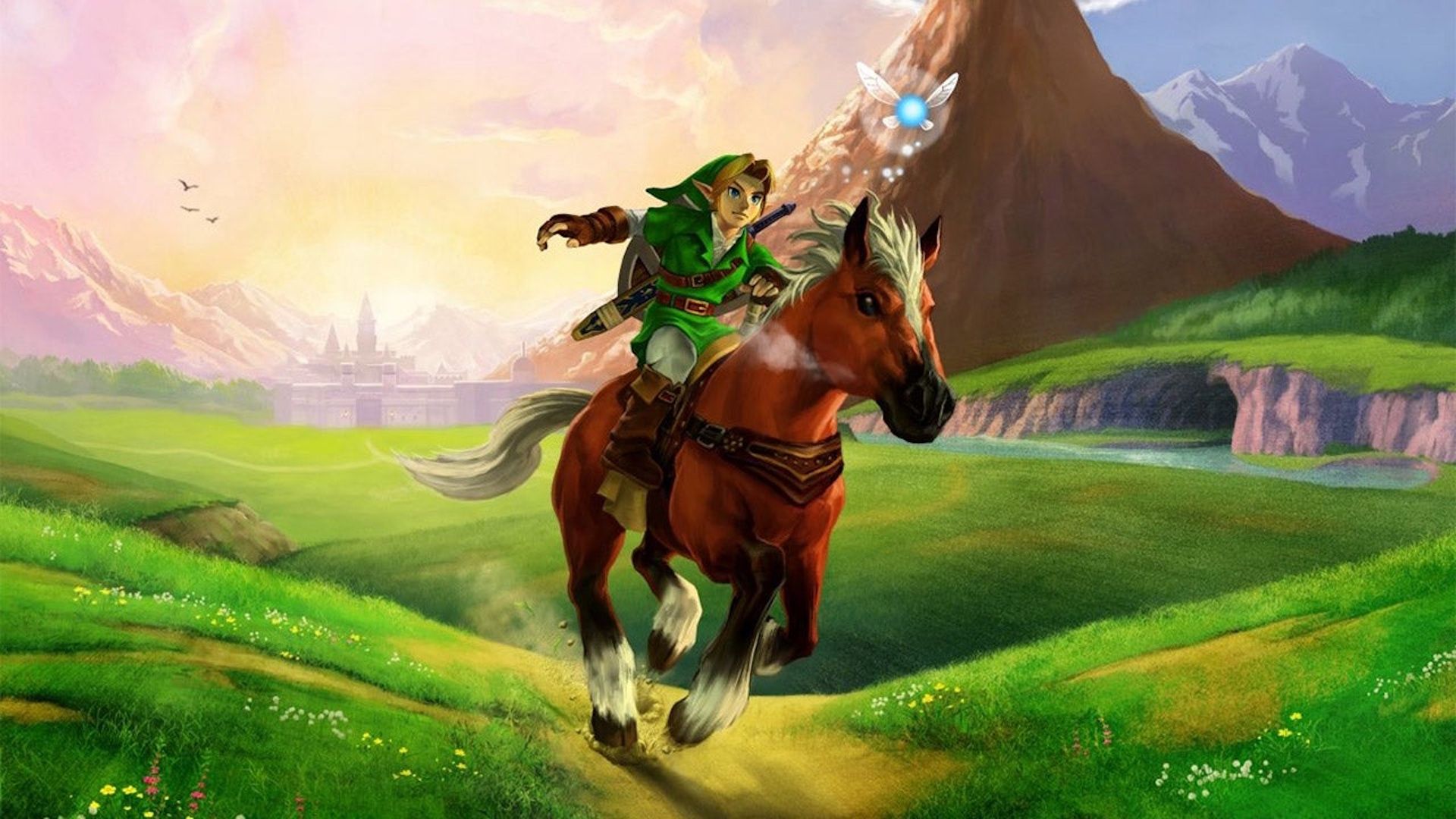
A sense of nostalgia hangs heavily in the air for fans of The Legend of Zelda series, especially with the news that a highly anticipated fan project has come to a sudden halt. The development team behind a remake of Ocarina of Time using Unreal Engine has announced that they will no longer be continuing their work. This comes right on the heels of Nintendo's own impending remake for the Switch 2, which raises some interesting questions about fan creativity and the big players in the gaming world.
It's important to recognize what this fan-made project represented. With the original Ocarina of Time being a cornerstone of gaming history since its release in 1998, it's no surprise that fans have yearned for a modern update. The ambition of recreating Hyrule in stunning detail with the capabilities of Unreal Engine was enticing. Gamers had hoped to relive their childhood adventures through a new lens, experiencing beloved locations like Kokiri Forest and the Temple of Time with visually striking graphics and refined gameplay mechanics. The excitement for such a project was palpable, as it tapped into a deep-seated love for the franchise.
However, as this Unreal Engine endeavor comes to a close, it casts a shadow on the broader landscape of fan creations. While these passionate projects often arise from a genuine affection for a game, there’s an undeniable tension between fan efforts and the original creators’ intellectual property rights. Nintendo has a history of being protective of its franchises, and it’s hardly surprising that the timing of the cancellation coincides with their upcoming official remake. The timing suggests that legal concerns likely influenced the decision, a reality for many fanmade projects that seek to breathe new life into beloved classics.
With the announcement of Nintendo's remake, anticipation is now building. The company has demonstrated an ability to adapt its classic titles for new hardware, often with great success. The prospect of revisiting Ocarina of Time for a new generation is exciting, but it also prompts a comparison that could leaves players wondering what the official version will bring to the table.
There’s a bittersweet quality to this cancellation. It exemplifies both the passion of the gaming community and the often harsh realities surrounding intellectual property. The devotion and skill displayed by the developers of the fan project should be celebrated, even if their vision will never be realized in the form they intended. That level of dedication to a beloved game speaks volumes about the lasting impact Ocarina of Time has had, and continues to have, on gamers worldwide.
As we look forward to the arrival of Nintendo’s official remake, it’s hard not to think about the spaces in gaming where the community’s creativity flourishes, even as it runs the risk of legal entanglements. The fan project may have come to an end, but it highlights the enduring love for one of the greatest games ever made. It also reminds us that while we hold tight to our nostalgia, the future of gaming continues to evolve, promising new adventures in familiar worlds. Zelda will always remain a beloved series, and whatever Nintendo has in store for the Switch 2 might just add another rich chapter to its storied legacy.