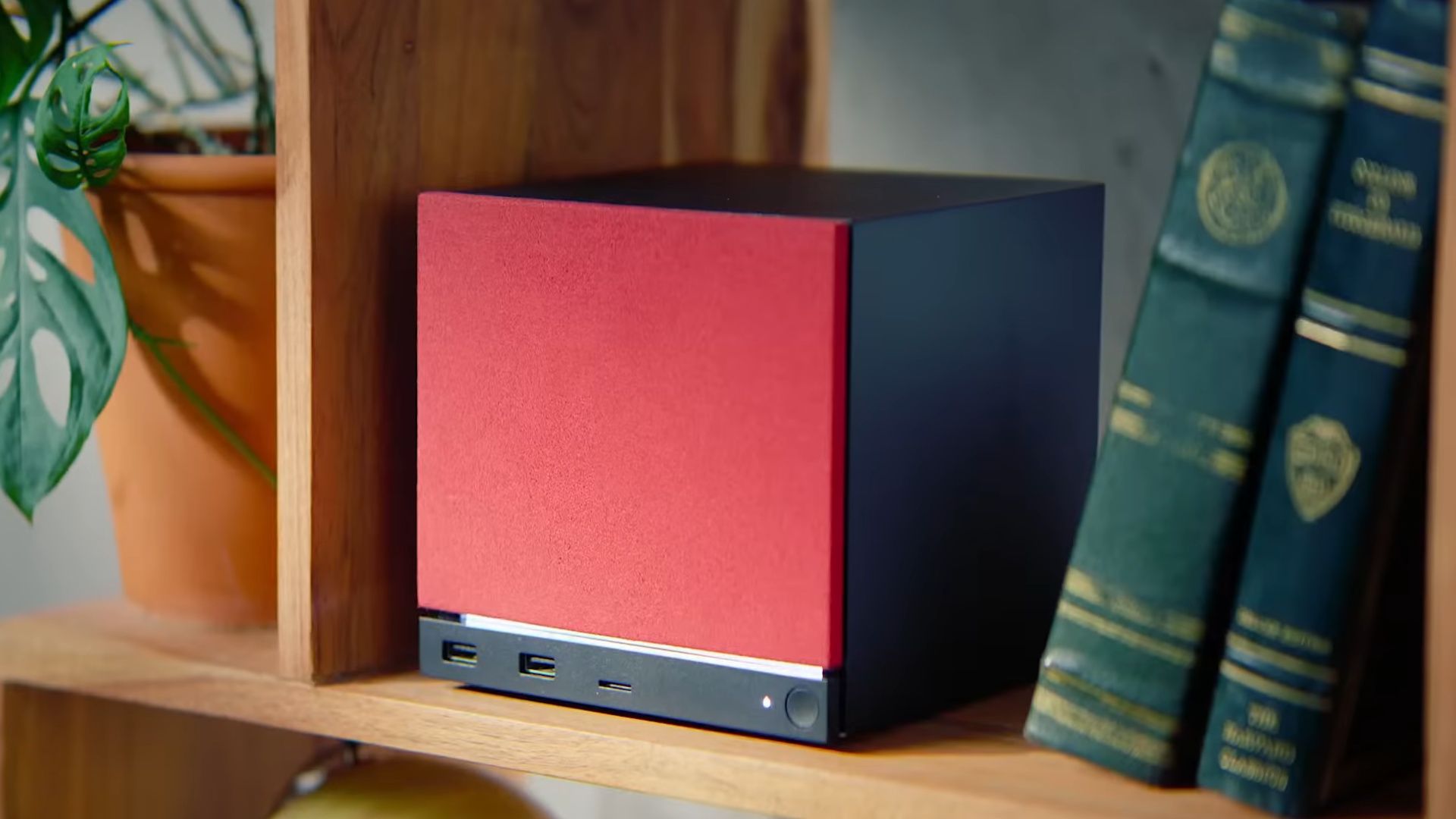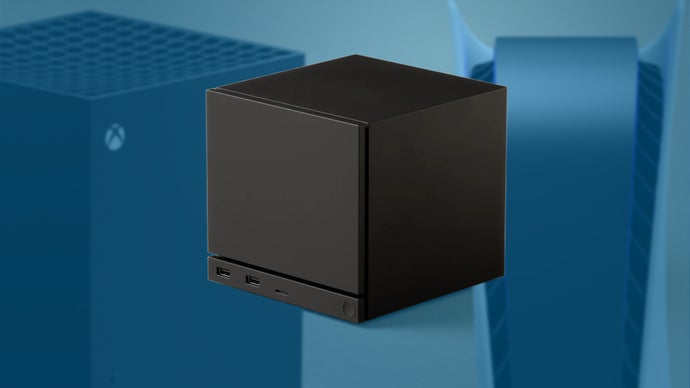
Valve is making significant strides into territory that has long been dominated by console giants. With the introduction of its new Steam Machine, the company is poised to shake up the living room gaming experience, bringing PC gaming into a space typically reserved for the likes of Sony, Microsoft, and Nintendo. As expectations rise, comparisons are inevitable, and Valve is keen to distinguish itself from its competitors in a few notable ways.
At the core of Valve's strategy is its approach to hardware pricing. Unlike many console manufacturers, Valve has opted against subsidizing the cost of the Steam Machine. This choice reflects a fundamental belief in the value of its hardware and an ethos that thrives on openness rather than locking users into a closed ecosystem, which has been characteristic of traditional consoles. The rationale here is straightforward: Valve wants consumers to appreciate the full worth of their investment without distraction from hidden costs. They’re making a clear statement that they won’t engage in the common industry practice of artificially lowering hardware prices only to recoup losses through software sales, subscriptions, or microtransactions.
With this move, Valve is inviting players to reconsider their relationship with gaming hardware. The Steam Machine is not just a console; it’s a bridge to a vastly larger ecosystem that includes an incredible variety of games available on the Steam platform. Players are presented with the freedom to choose how they want to play—a significant departure from the constraining practices of many console systems. Valve aims to empower players to manage their gaming experience according to their personal tastes and preferences.
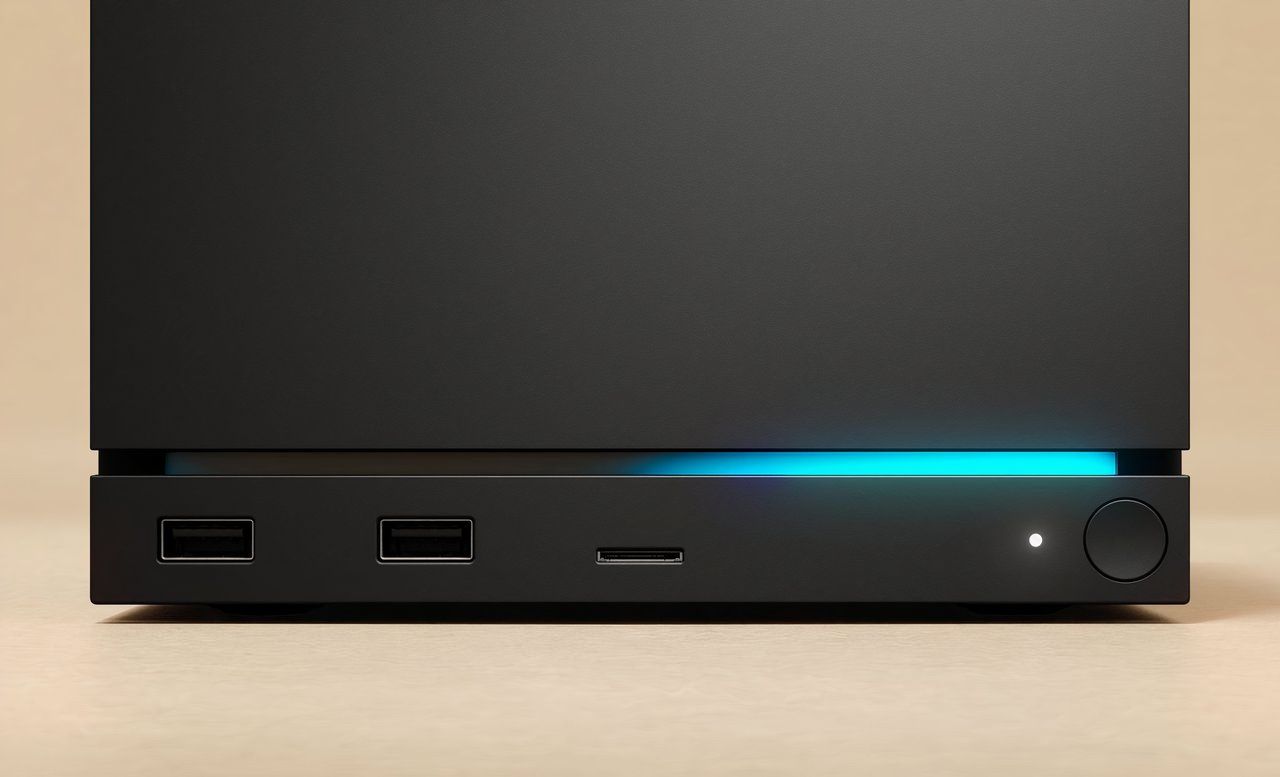
This commitment to player freedom extends to how users can customize their devices. Valve doesn’t lock down its hardware in the same way that many console makers do. Instead, those who invest in a Steam Machine can expect a device that allows for upgrades and modifications, akin to building or enhancing a gaming PC. This flexibility is appealing to gamers who may feel stifled by the limited upgrade paths offered by traditional consoles, which often push last-generation hardware aside as soon as the next one rolls out.
However, while the Steam Machine makes for an appealing proposition, it also invites scrutiny. Many gamers are cautious about investing in a new platform, especially one that contrasts sharply with established competitors. The question remains: does Valve's new approach resonate enough with players who might be wedded to the familiarity of their favorite consoles?
In this evolving landscape of gaming, Valve’s stance might just be what the market needs to shake things up. The challenge lies in how effectively they can communicate the advantages of this new model to the wider gaming community, particularly those who might be hesitant to abandon the comfort of their consoles.
Ultimately, Valve's foray into the console arena with the Steam Machine reflects a broader vision for the future of gaming, one that champions personalization, accessibility, and innovation. Whether this approach will pay off remains to be seen, but for those looking for alternatives to the typical console experience, the Steam Machine certainly presents a compelling option. By putting the power back into the hands of the players, Valve is not just stepping into the ring; it's challenging the status quo and inviting gamers to join it on this exciting journey.