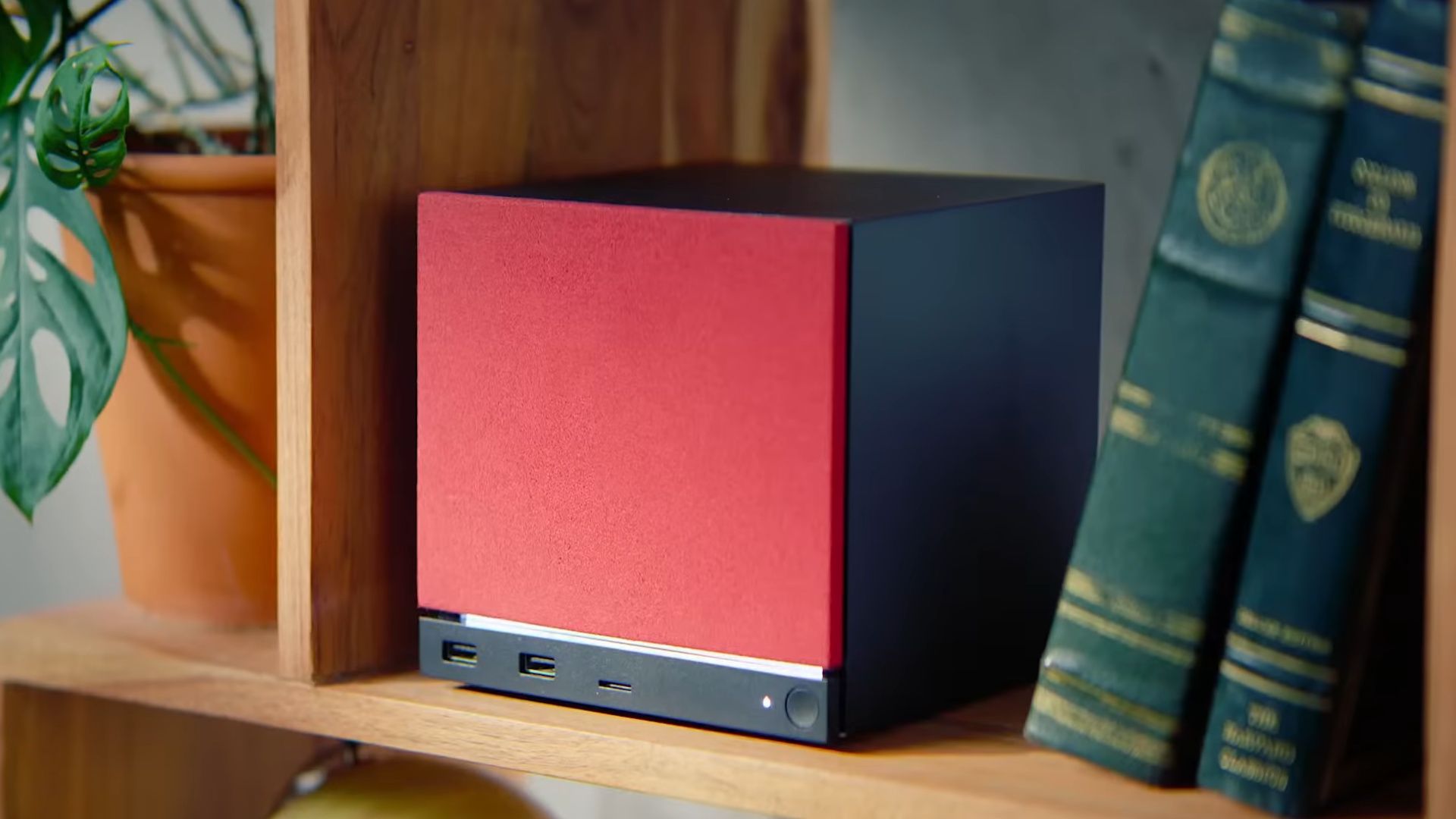
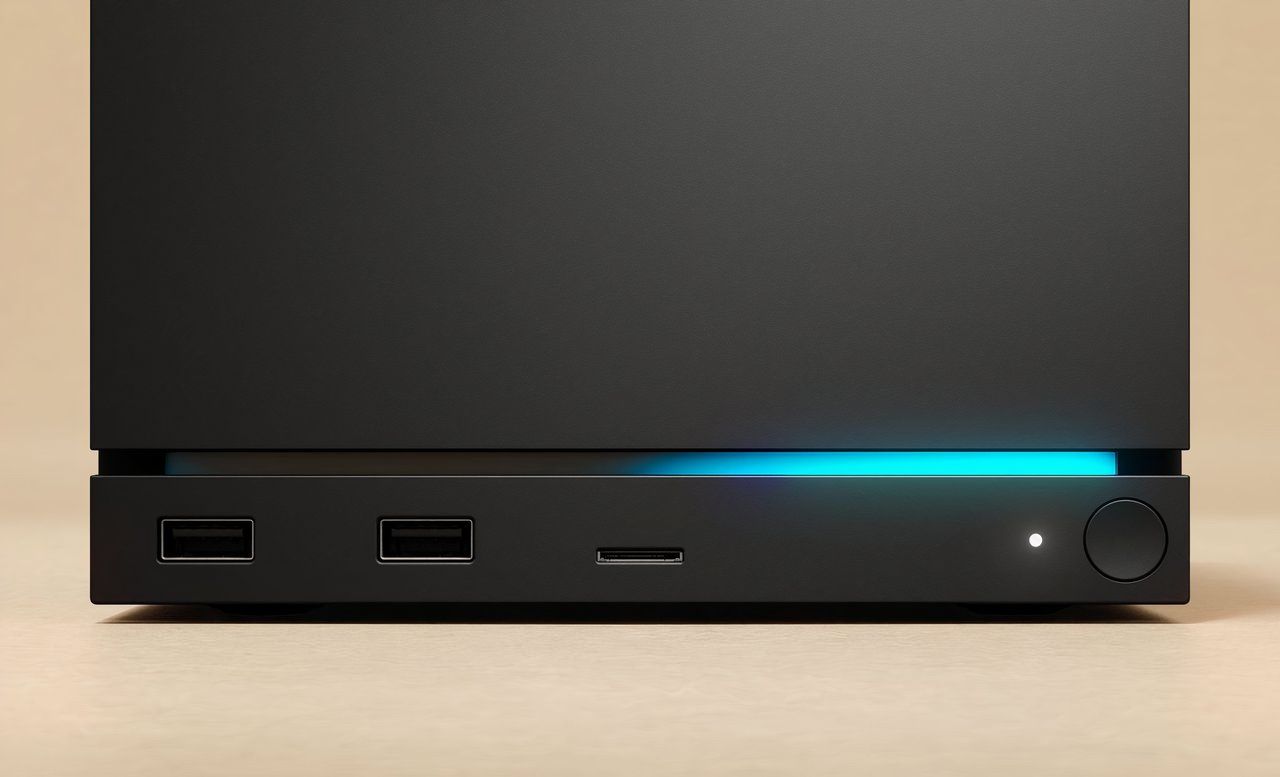
Valve has officially revealed that it is collaborating with AMD to integrate support for FSR 4 into its Steam Machine platform. This announcement raises a lot of exciting possibilities for gamers, especially for those invested in the Steam ecosystem. Although we don’t have all the details yet, the prospect of improved performance and visual fidelity is certainly enticing.
For those unfamiliar, FSR, or FidelityFX Super Resolution, aims to enhance frame rates while maintaining graphic quality. As games become increasingly demanding, this technology can be particularly beneficial, especially for those using mid-range hardware. FSR aims to bridge the gap between performance and visual quality, allowing gamers to enjoy a smoother experience without sacrificing too much detail. As the gaming landscape continues to evolve, this is a welcome development indeed.
However, integrating FSR 4 support is not without its challenges. The balance between performance and fidelity will be crucial. Gamers often face dilemmas when tweaking settings to achieve the best frame rates. Do they prioritize high graphics quality, or do they opt for a smoother gameplay experience? Valve’s work with AMD on this front may lead to new solutions that help alleviate these issues, but there’s still much to be seen.
Valve’s push for improved graphics capabilities in Steam Machines aligns with a larger trend in the industry. Many developers are now rushing to adopt powerful technologies that enhance the gaming experience. The bar continues to rise, and the competition for performance has become fierce. With more players adopting 4K and even 8K gaming, ensuring that Steam Machines can hold their own becomes paramount.
Steam Machines once promised to redefine what gaming consoles could be, blending the power of PCs with the ease of console gaming. Yet, the initial rollout didn’t ignite the market in the way many had hoped. Collaborations like the one with AMD could potentially reinvigorate interest and provide the needed boost to keep Valve’s vision alive. It’s interesting to see how they’re attempting to adapt and innovate in an ever-changing environment.
There’s also the community aspect to consider. Steam is not just a platform; it’s a community of gamers who thrive on sharing experiences, customizing setups, and improving their rig’s performance. With the support of FSR 4, players will likely have more tools at their disposal, allowing them to engage deeply with their games and each other. This generation of gamers has come to appreciate the intricacies of their hardware, and Valve’s continued support of customizability can only further that connection.
As we wait for more details on when FSR 4 support will roll out for Steam Machines, it’s clear that Valve is making strides to remain relevant in a fast-paced market. The introduction of this graphics technology could provide not only an upgrade for current users but also attract newcomers who want an accessible yet powerful gaming experience.
So, as we forge ahead, the excitement builds for what could be a turning point for Valve’s hardware offerings. Balancing performance and fidelity is a dance many gamers are willing to partake in, especially if it means a better experience overall. The gaming world is watching closely. How Valve manages this partnership with AMD could indeed shape the future of gaming on its platform.