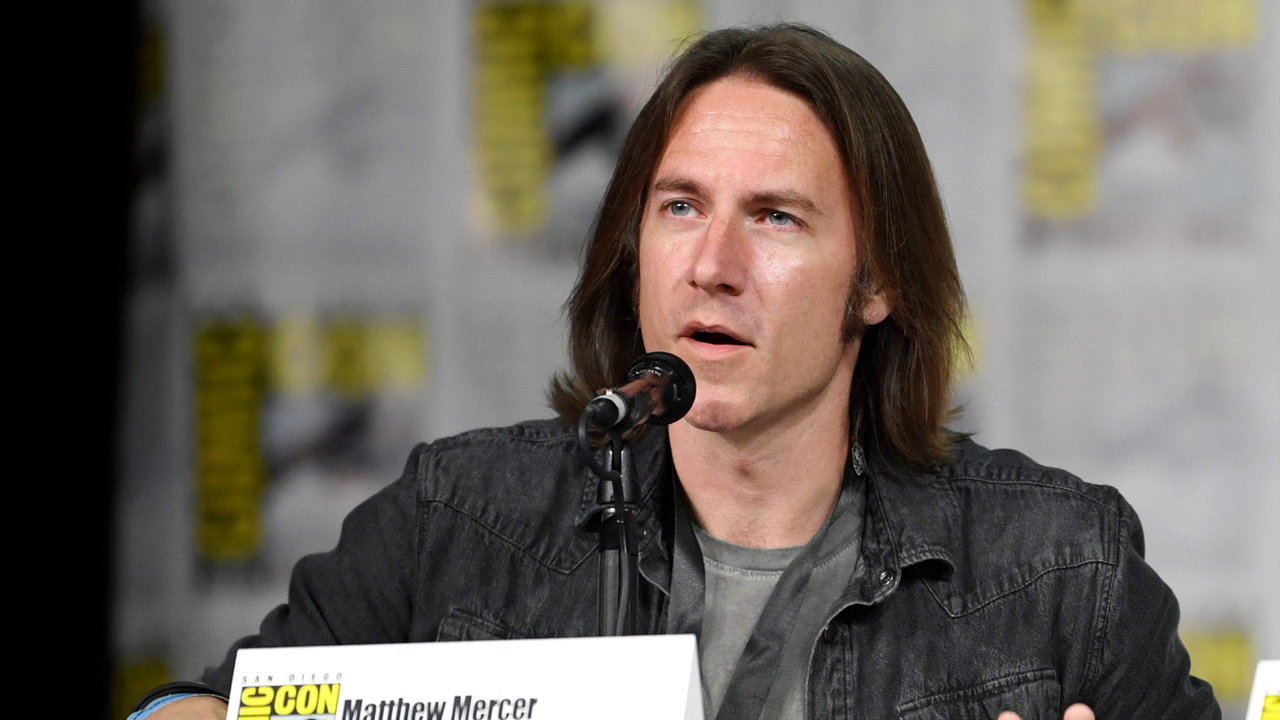
In the realm of tabletop role-playing games, the name Matt Mercer resonates deeply among both die-hard fans and newcomers. For many, Mercer represents the gold standard of Dungeon Masters, most notably through his work on Critical Role, where he has led unforgettable campaigns filled with rich narratives, compelling characters, and dramatic storytelling. Yet, amid the adulation and admiration, a recurring topic has emerged: the so-called Matt Mercer Effect. This term often suggests that players strive to emulate the high standard of storytelling and character engagement found in Mercer’s sessions, resulting in disappointment when their own games fall short. But here’s the catch: this so-called "effect" isn’t the problem at all. Instead, the real issue often boils down to what happens in session zero.
Session zero, the initial gathering where players and the Dungeon Master set the stage for their campaign, lays the foundation upon which everything rests. Unfortunately, many groups overlook the importance of this preliminary session, diving headfirst into gameplay without adequately discussing expectations, character backstories, and collaborative storytelling. When a campaign kicks off without this crucial groundwork, it can lead to discord and disconnect among players, amplifying the feeling of inadequacy that fuels the myth of the Matt Mercer Effect.
Establishing a solid session zero means encouraging open dialogue about what everyone wants from the game. Are players aiming for a deeply immersive narrative experience or is fun and humor the priority? This conversation isn’t just about mechanics; it’s about setting the tone, exploring character motivations, and ensuring that everyone’s vision aligns. When players and DMs share their aspirations and concerns before the adventure starts, they build trust and a sense of partnership that can elevate the entire gaming experience.
Additionally, some players may be intimidated by the prospect of storytelling or character depth, especially when comparing themselves to the likes of Mercer. This intimidation can stifle creativity and cause players to hold back their contributions, leading to a less dynamic session. Encouraging collaboration during session zero can combat this. When players feel empowered to develop their backstories in relation to one another, it fosters an environment where they are confident in bringing their creations to life. The focus shifts from merely emulating someone else’s style to crafting a unique narrative together—one that’s a joy for everyone involved.
Another factor that often arises in these discussions is the misconception that DMs must be master storytellers to run a successful game. The truth is, even the most seasoned DMs like Mercer have honed their skills through trial and error, employing feedback and making adjustments along the way. New DMs can learn just as much by making mistakes during their early games as they would by studying the greats.
The pressure to deliver game sessions that mirror those of celebrated DMs can be overwhelming, but it’s crucial to remember that every gaming group is unique. Your sessions should reflect your tastes, preferences, and the chemistry of the players involved rather than a direct imitation of someone else’s success. The key is to embrace your own style and engage in meaningful conversations during that first session.
So, is there really a Matt Mercer Effect? Perhaps, but it’s less about his influence and more about the dynamics of the groups playing the game. By putting in the effort to create a thoughtful session zero, players and DMs can cultivate an enriching experience that is entirely their own, free from the unrealistic comparisons to someone else's greatness. Ultimately, it’s about having fun and crafting memorable adventures together.