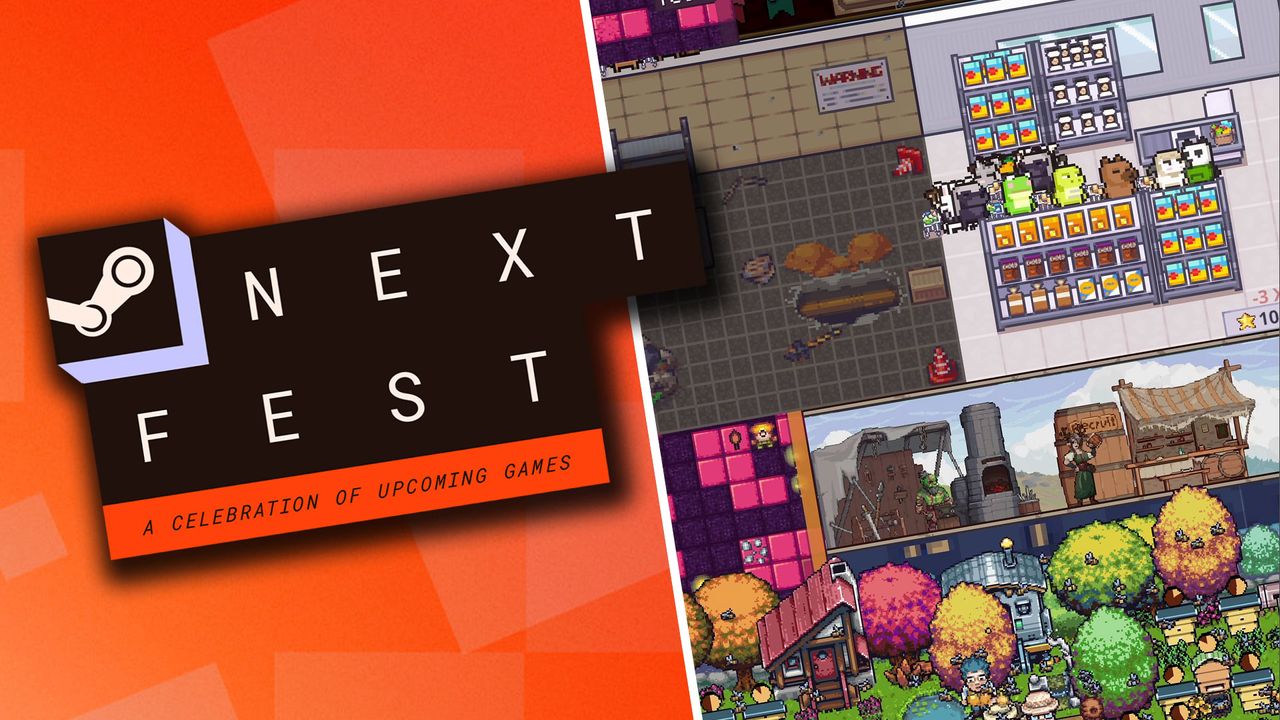
Steam Next Fest has become something of an annual tradition for gamers, a veritable buffet of indie titles and experimental gameplay ready to tantalize our senses. This year, as I dove headfirst into the chaos, I unearthed a rather absurd way to engage with this gaming cornucopia. In the spirit of adventure, I decided to run 45 different idle game demos at the same time. Yes, you heard that right—45.
Idle games often live in a niche of their own, standing apart from more action-driven genres. While many gamers might dismiss idle games as simple clickers or passive experiences, they often mask depth beneath their simplistic interfaces. Some players revel in the satisfaction of watching numbers climb, while others appreciate the strategic planning involved in simultaneously managing resources. This phenomenon can easily transform into a battle royale of sorts, as I discovered. What began as a fun experiment soon morphed into a strange digital competition, pitting game against game as they each battled for my attention in a flurry of pixels, sounds, and numbers.
Now, I’ll admit, lining up 45 idle game demos felt equal parts exhilarating and completely bonkers. I was greeted with a spectrum of creative aesthetics—everything from charming pixel art to sleek designs that felt too polished for their own good. As the games began churning out resources, I found myself hooked as each one clamored for recognition in this absurd desktop symphony. Imagine a chaotic orchestra where every instrument plays a different tune, yet somehow the cacophony wraps itself in a coherent experience. That was my desktop at that moment.
What made this experience even more enjoyable was the surprising variety within the idle genre. While some games clung strictly to the formula—incrementally increasing numbers that swell with rewards—others pushed the envelope, adding layers of depth with rich narratives or innovative mechanics. Some game-makers clearly took inspiration from traditional RPGs, infusing their chop-and-drop play style with quests and character progression. Others were more straightforward, focusing purely on the ascent of cybernetic empires or the construction of elaborate virtual worlds. Each demo offered a unique flavor, and I was caught in the whirlwind of choices as I attempted to keep track of which games were doing what.
Connecting with indie developers through Steam Next Fest is part of the appeal. As I observed the variety of approaches to the idle format, I was reminded of the untapped potential within this genre. Game makers, often working with limited resources, have a knack for creating interesting interactions that blend humor and strategy. It’s a privilege to engage with their work during such a spirited showcase.
Naturally, there were the expected challenges. Managing my attention across 45 games was no small feat. I barely managed to follow the nuances of each game before another caught my eye. The clicking required for some demos left my fingers sore, and cleaning up after the inevitable background noise proved frustrating. Losing track of individual progress isn’t uncommon in such an undertaking, but therein lies the charm—chaotic beauty stitched together by the relentless endeavor of creation.
In the end, I emerged from this whirlwind experience not only entertained but invigorated. The idle genre, often dismissed, has a lot of untapped potential especially when viewed through the lens of community engagement and creative flair. Steam Next Fest continues to embrace this dynamic landscape, proving that even in simplicity, there’s room for innovation. It’s a testament to the indie gaming spirit, a reminder of the unending possibilities that await us in the world of video games.