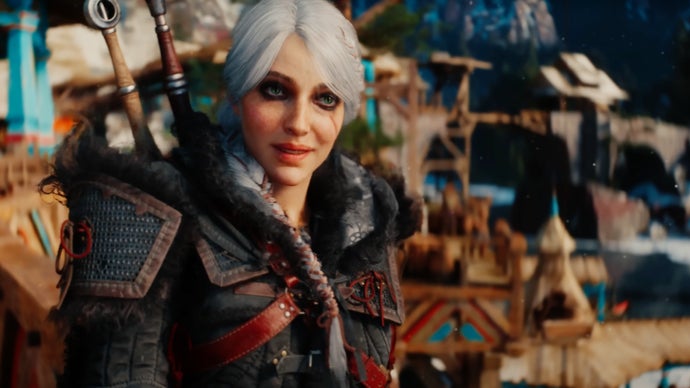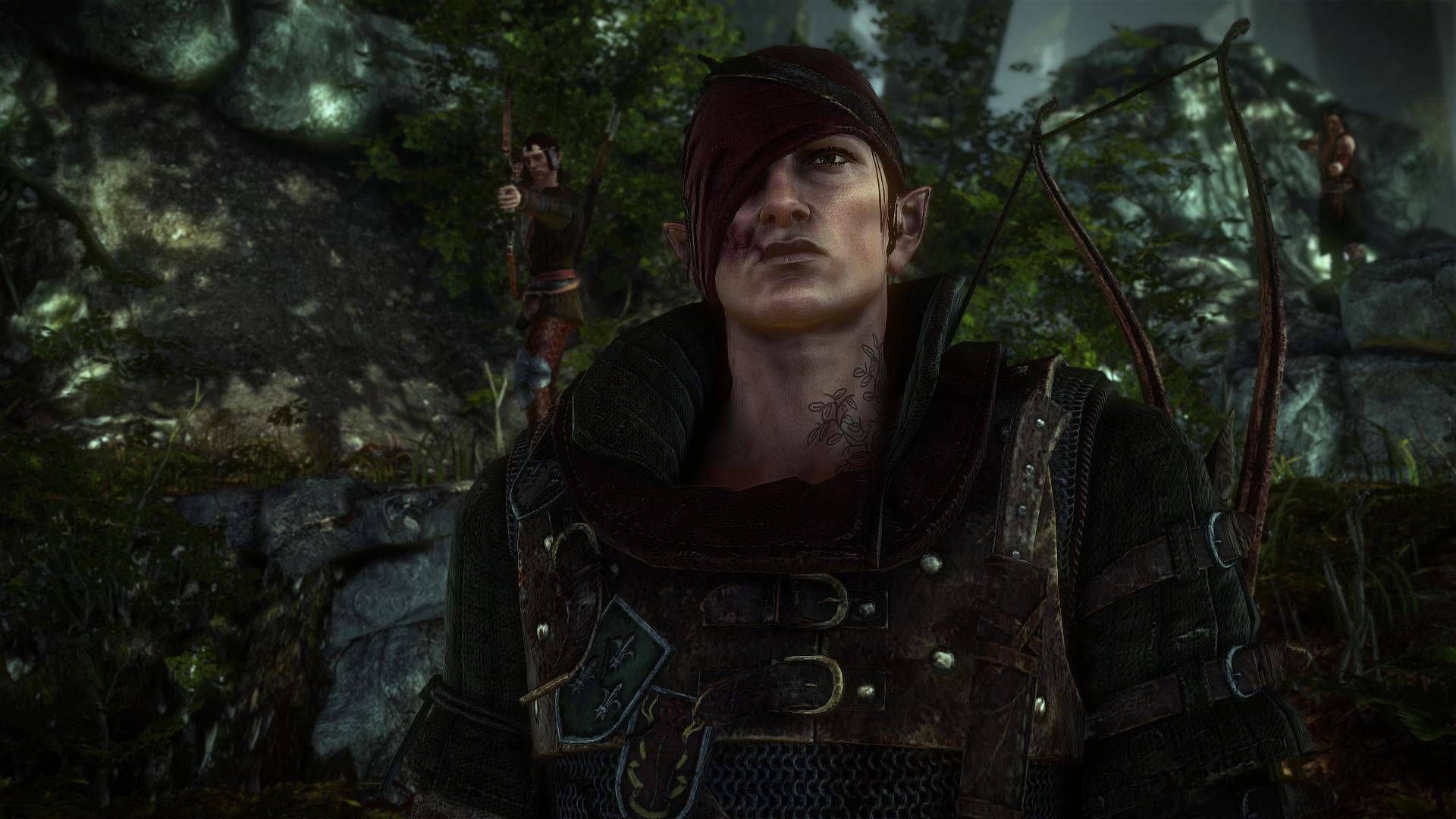
As anticipation builds around the development of The Witcher 4, fans find themselves reflecting on the strengths and shortcomings of previous installments. While The Witcher 3 managed to deliver an expansive open world filled with stunning visuals and a captivating narrative, it often felt like a missed opportunity when it came to the weighty decisions players could make. The Witcher 2 is a shining example of how choices in a narrative-driven game can resonate in deeply meaningful ways, and it’s an approach that the developers should seriously consider for the next entry in the franchise.
In The Witcher 2, players were thrust into a complex political landscape, where each decision could drastically alter the course of the story. This game did a remarkable job of creating a sense of immediacy and consequence. Unlike the more streamlined narrative of The Witcher 3, which played out like a masterpiece of cinematic storytelling with sprawling side quests, the choices in The Witcher 2 felt personal and impactful. The various branches of the narrative meant that players were constantly aware that their actions had weight, and the decisions they made shaped the fate of kingdoms and characters alike.
Imagine starting a new adventure in The Witcher 4 that revisits this concept of meaningful choices. The series is known for its rich lore and deep character arcs, and building upon the framework established in The Witcher 2 could lead to a more engaging narrative experience. This doesn’t mean reverting to a smaller scale, but rather introducing layers of complexity within the story that make every player’s journey unique. With more avenues for decision-making, players would likely feel a stronger connection to Geralt and the world around him.
Furthermore, the sequel's approach to moral ambiguity was unmatched. The Witcher 2 didn’t just give players a choice between good and evil; it presented them with tough dilemmas that left you contemplating the consequences of your actions. In a world as morally gray as that of The Witcher, it’s essential that the new game fosters that same atmosphere. Choices should not be easy, and the outcomes should leave a lasting impression.
Conversely, while The Witcher 3 had an incredible array of side quests filled with narrative richness, many of the choices felt less significant in the grand scheme of things. Players often moved through a well-crafted story almost in an autopilot mode. There were beautiful moments and remarkable characters, yes, but the ensuing resolutions were often more about the spectacle than personal stakes. Bringing back the binary complexity of The Witcher 2 would breathe new life into the decision-making systems in The Witcher 4.
As the series progresses, it’s crucial not to forget the essence that made the earlier titles resonate. Fans are hungry for a game that feels less like a scripted performance and more like a tapestry woven from the threads of player choices. When players look back on their gaming experiences, it’s those pivotal moments in The Witcher 2 that linger in memory.
Incorporating a narrative structure that emphasizes impactful decision-making would not only pay homage to a classic but also set a memorable standard for the future of the franchise. The Witcher 4 should aim to inspire players, challenging them to grapple with morally complex choices that shape their journey through the dark and intricate tapestry of its world. Ultimately, this would create a game that resonates long after the last quest is completed, and that’s the kind of experience every fan yearns for.