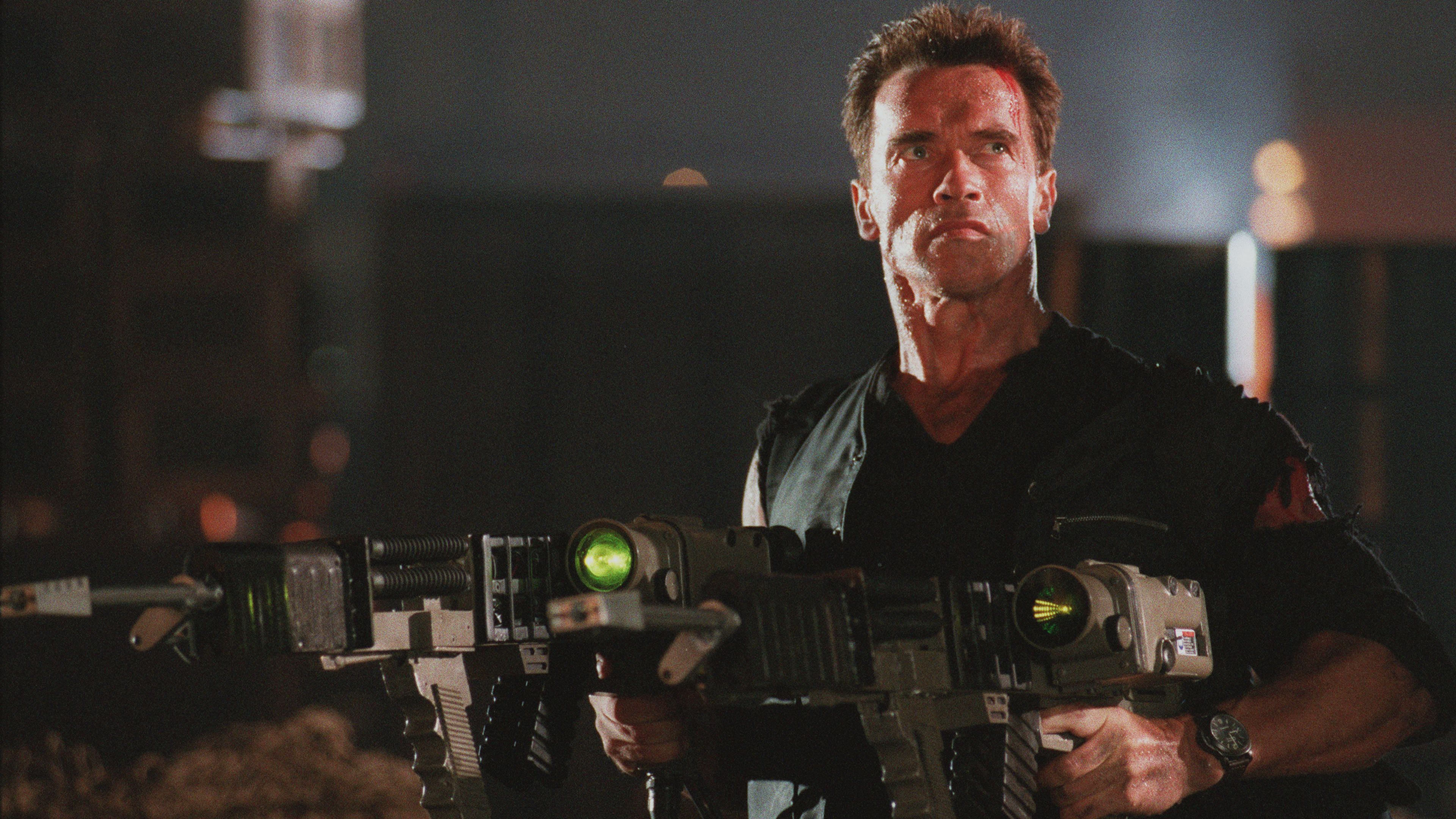
In the landscape of 1990s action cinema, where over-the-top stunts and larger-than-life heroes reigned supreme, Chuck Russell's Eraser often gets lost in the shuffle. Released in 1996, this film stars none other than Arnold Schwarzenegger, a titan of the genre who had already delivered his share of iconic roles. Nevertheless, Eraser hasn't received the recognition it deserves, often overshadowed by other blockbusters of the era.
Russell, fresh off the success of The Mask with Jim Carrey, crafted a film that blended elements of science fiction with traditional action, resulting in something that felt both familiar and refreshingly unique. It tells the story of U.S. Marshal John Kruger, played by Schwarzenegger, who specializes in "erasing" the identities of witnesses and federal agents who need protection from dangerous elements. On the surface, it appears to be a straightforward action flick, yet a closer examination reveals its clever stitching of narrative threads, visuals, and character development that, when combined, create a truly engaging experience.
What makes Eraser stand out, according to Russell, are three pivotal scenes that anchor the film's broader themes of identity and survival. These scenes are not just exhibition of bravura action; they serve as touchstones for the character and the audience alike. One moment, for instance, encapsulates Kruger's world as he navigates the treachery that comes with his job, heightening the tension between him and the far-reaching conspiracies he seeks to dismantle.
The film's relentless pace is punctuated by its visual flair. Several action sequences, especially the iconic train scene where Kruger must save a potential witness, exemplify the artistry of action choreography forged during this era. Russell has a knack for maintaining a balance between intense, adrenaline-pumping moments and the larger narrative flow. The action never feels gratuitous; instead, it serves the plot and the characters' arcs, a hallmark of well-crafted cinema.
Russell’s direction offers layers to a genre often criticized for its lack of depth. There’s a surprising degree of moral complexity woven into Kruger’s character; despite his strength and skills, he wrestles with the weight of his job. The stakes feel genuine, leading to a more immersive experience. Schwarzenegger's performance is, predictably, a highlight—a blend of charisma, brawn, and just enough vulnerability to offer depth to a character that could easily slip into caricature.
Viewing Eraser today, one can’t help but sense its poignant echo in contemporary cinema. Many of the themes explored resonate with the anxieties and complexities of modernity, especially regarding identity in a chaotic, fast-paced world. While the film may not belong in the upper echelon of Schwarzenegger's most celebrated works, it deserves recognition for its ambition and execution.
As we reflect on action cinema's evolution, Eraser stands out as an artifact of its time—an underrated gem in Schwarzenegger’s illustrious career. It challenges the notion of what an action film can achieve, offering more than just an explosive thrill ride. Here’s hoping this film re-emerges from the shadows, garnering the appreciation it rightly deserves in the pantheon of '90s action masterpieces. In a genre filled with spectacle, Eraser reminds us that substance can linger beneath the surface, waiting to be discovered by a new audience.