The recent turmoil in the Pokémon community has sparked plenty of discussions, but a fresh perspective could come from looking at Valve’s past experience with the Steam Machine initiative. While Pokémon fans grapple with issues like scarcity and scalping of limited edition content, there’s much to learn from Valve’s attempt to tackle similar problems when they launched their Steam Machines.
When Valve released the Steam Controller, it faced immense backlash. There were missteps, plenty of unmet expectations, and the all-too-common issue of scalpers swooping in to buy up inventory, leaving genuine fans in the lurch. In response, Valve pivoted and rolled out a special preorder system for the Steam Machines that was designed to level the playing field. Instead of allowing resellers to snatch up every available unit, they implemented a system that required buyers to put down a deposit. This approach not only curtailed scalping but also helped ensure that those genuinely interested in the gaming experience could get their hands on the hardware.
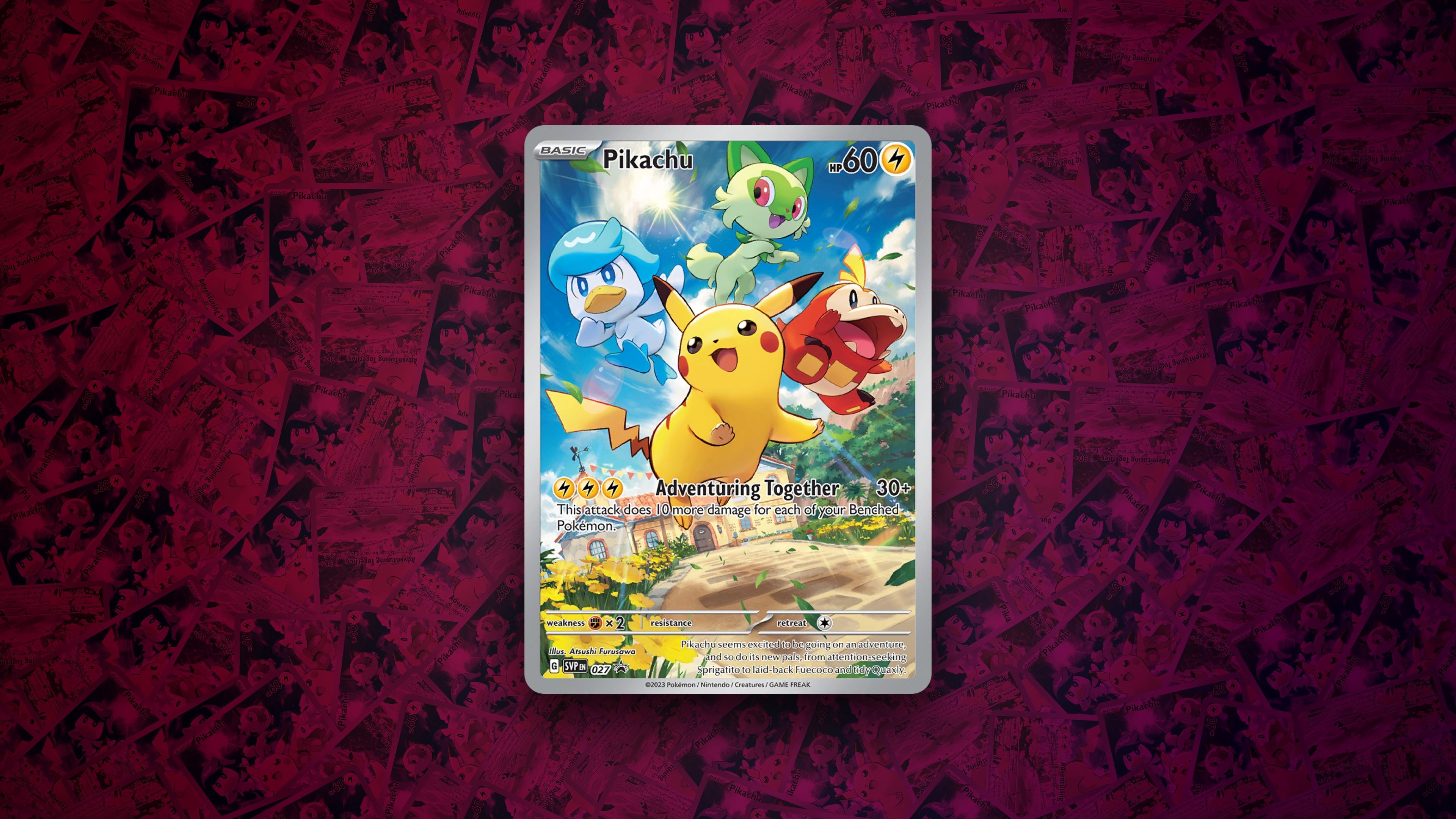
This strategy holds valuable lessons for Pokémon’s current predicament. Fans of the beloved franchise often find themselves caught in a frenzied race to secure limited releases, whether they are exclusive game editions, rare cards, or special merchandise. The thrill of the chase often leads to disappointment when common community members lose out to opportunistic scalpers who have no plans to engage with the content meaningfully. Imagine the excitement that could be harnessed if the Pokémon Company adopted a similar approach, focusing on ensuring that its most dedicated fans can obtain the products they cherish without the interference of resellers.
By introducing a preorder system that requires a commitment from buyers, Pokémon could take a significant step toward ensuring fairness. Just picture it: fans would have a chance to reserve their copy of a special edition or limited-run merchandise with a small deposit. This would not only help to keep resellers at bay but also give developers a clearer idea of demand, potentially guiding production numbers and distribution strategies. It feels like such a straightforward solution, yet it could bring harmony back into a community that thrives on shared love for the franchise.
Moreover, this kind of approach could foster a stronger bond between the Pokémon Company and its fanbase. It shows that the company understands the struggles of its players, acknowledging their dedication while working to counteract the challenges posed by a small minority. A preorder system could even contribute to a more sustainable merchandising model, as it reduces the pressure to produce massive numbers of items that ultimately go unsold.
There’s no denying that games and merchandise are as much about the experience as they are about the availability. By focusing on keeping the excitement alive without the pitfalls of scalping, the Pokémon Company could transform the overwhelming rush for limited items into something more enjoyable.
As players, we’ve witnessed far too many instances of gaming shadows cast by opportunistic buying and selling patterns. Valve had its own share of trial and error, ultimately working through its struggles to create a system that benefitted everyone involved. Perhaps it’s time for Pokémon to take a leaf out of that book. The community deserves an opportunity to engage with what they love without the anxiety that comes from wondering if they’ll ever have the chance to catch them all.