As gaming continues to evolve, Valve has stepped into the limelight with its ambitious venture into hardware: the Steam Machine. If you haven't been following along, it's essential to understand how this system shakes up the notion of traditional consoles. For anyone venturing into PC gaming, this is a subject worth exploring.
At first glance, the Steam Machine may seem like just another console vying for space under your television. However, it’s a different beast altogether. While typical consoles like the PlayStation or Xbox deliver a closed ecosystem with curated experiences, the Steam Machine brings the extensive library and versatility of a PC gaming platform to the living room. Instead of being locked into a set of exclusives or a particular user interface, you get access to the entire Steam catalog, which boasts thousands of titles, from indie gems to AAA blockbusters.
One of the standout features of the Steam Machine is its ability to run various operating systems. Unlike the console giants, which come pre-loaded with a specific OS and user interface, the Steam Machine offers the flexibility to enjoy SteamOS or even install Windows if you prefer. This feature opens the door to games that may not be available on standard consoles, allowing users to dive into a wider array of gaming experiences. Steam Machines are designed to be customizable, so you can upgrade and tinker with your hardware as you wish. This aspect might intimidate some who are used to the plug-and-play nature of consoles, but it invites a deeper level of engagement with the hardware.
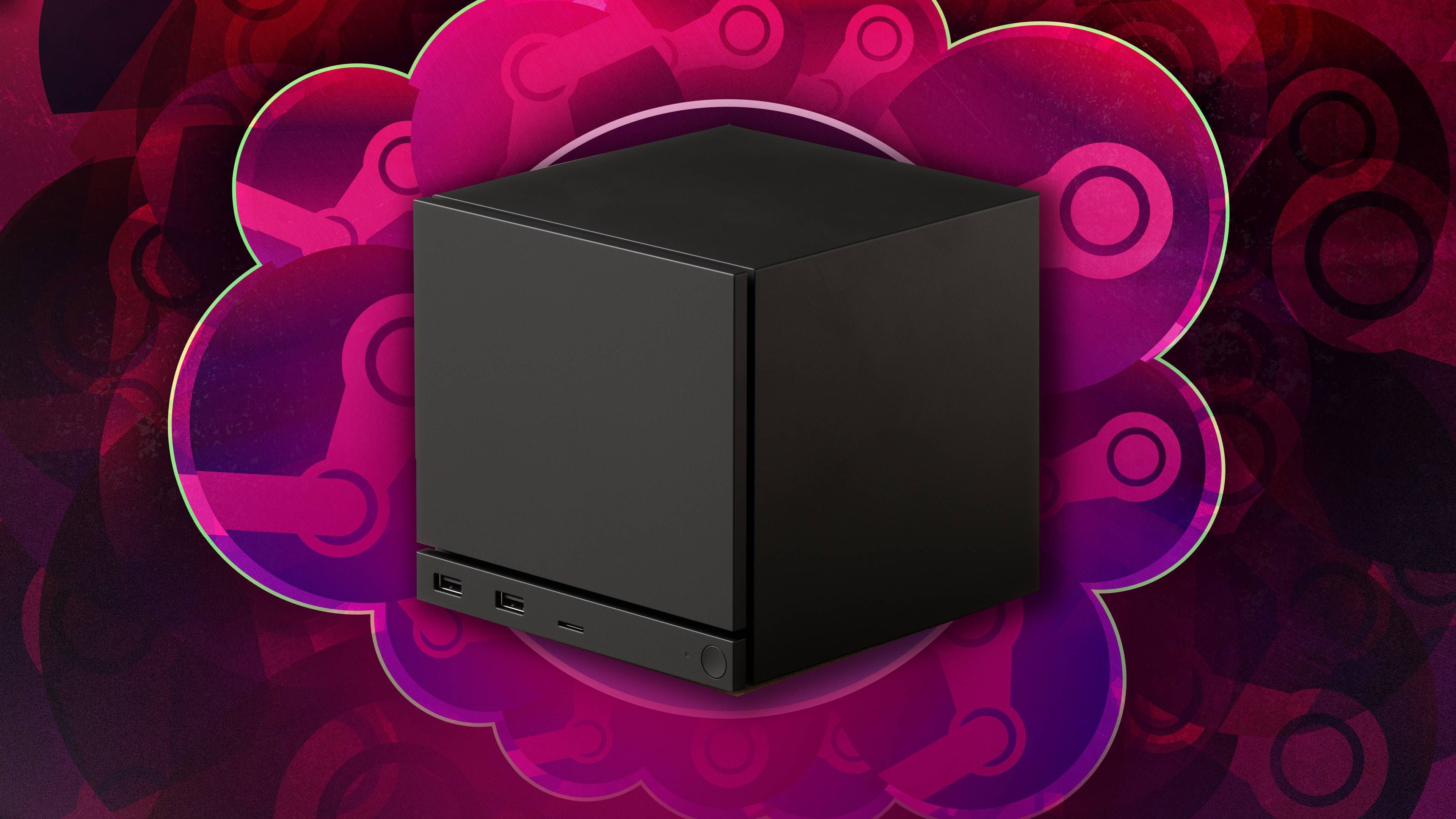
Moreover, the design ethos behind the Steam Machine reflects Valve’s commitment to blending the gaming experience seamlessly with your existing home entertainment setup. The console is relatively compact and stylish, capable of integrating with your current home theater. Unlike a clunky gaming PC, the aesthetics of a Steam Machine mean it can easily blend in with your other devices, becoming just a part of the modern living room experience rather than a tech anomaly.
For those who thrive on community and multiplayer experiences, the Steam Machine taps into Valve's rich history of online gaming. Steam has always been about building a community, whether through its formidable workshop capabilities or collaborative multiplayer modes. With the Steam Machine, players gain direct access to this social aspect, fostering connections with friends and other gamers around the globe.
Another thing to highlight is the Steam Machine's focus on game streaming and their efforts with in-home streaming capabilities. You can stream games from a more powerful gaming PC elsewhere in your house, taking advantage of that muscle without having to invest significantly in the hardware itself. This innovation serves gamers with different needs or budgets, enabling them to enjoy high-quality gaming experiences on a more modest setup.
However, it’s essential to keep expectations in check. The Steam Machine, while revolutionary in concept, faces stiff competition from established consoles that offer seamless user experiences and strong exclusives. The ever-growing popularity of cloud gaming services also adds pressure, as users weigh options between local hardware and the ease of accessing games through the cloud.
In the end, the Steam Machine represents an exciting chapter in the evolution of gaming consoles. It’s a bold move from Valve that invites gamers into the flexibility of PC gaming while still providing the comfort and familiarity associated with traditional consoles. Whether it will truly capture the hearts of gamers remains to be seen, but it undoubtedly has opened up new avenues for exploration in the vast world of gaming. As the lines blur between consoles and PC gaming, anyone new to this universe has a thrilling journey ahead, especially with a contender like the Steam Machine in the mix.