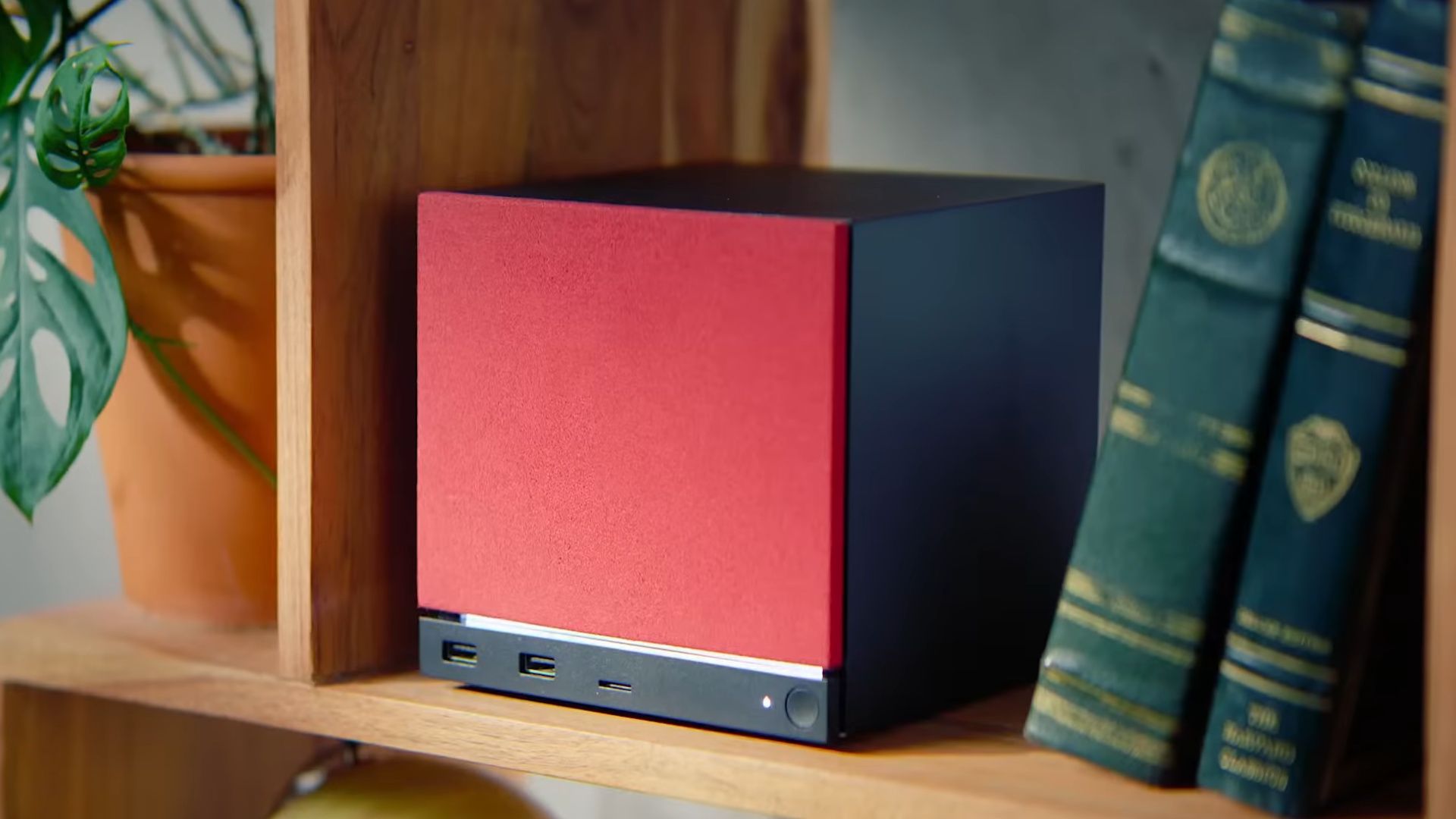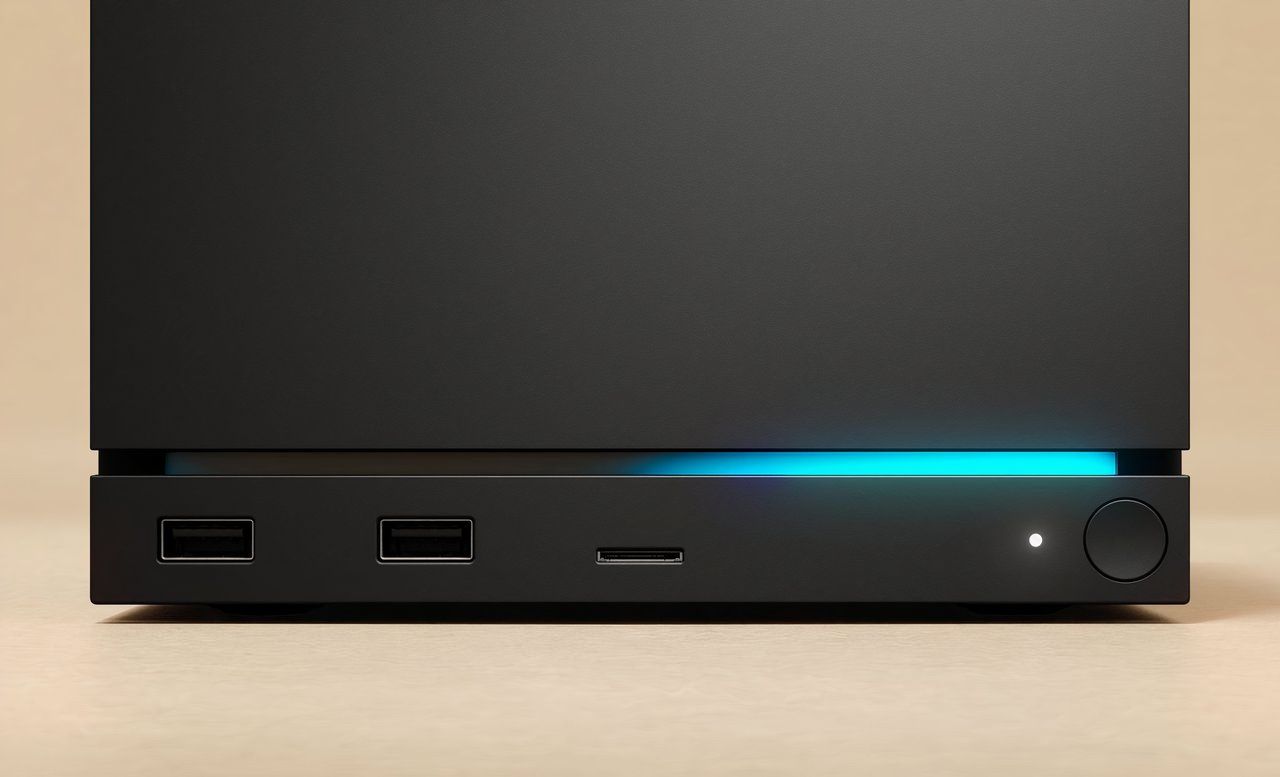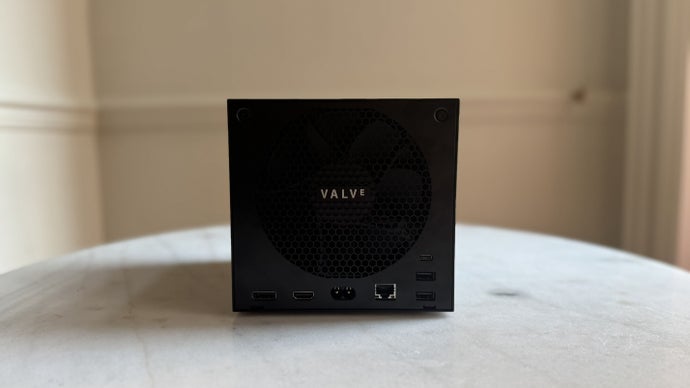
The Steam Machine has finally hit the market, and it’s stirring up quite a bit of buzz, as expected in 2026. The tantalizing concept of a console that marries the convenience of gaming with the expansive library of PC titles has intrigued many, but the real question is whether it lives up to the hype. As someone who has walked the hallways of gaming for years, I’ll share some nuanced thoughts on the device that aims to bridge the gap between console simplicity and PC complexity.
First off, let’s talk about the price. It’s no secret that this machine doesn’t come cheap. Anyone looking to dive into the Steam ecosystem will need to open their wallets wide. The cost reflects its high-end hardware and the promise of performance, but for many gamers, it will feel like a hefty investment for a console. That said, the Steam Machine is designed not just to play modern titles, but to accommodate an evolving library of games. It caters to those who desire more versatility, all while hoping that the price point doesn’t deter a potential user base.
In terms of specifications, the Steam Machine boasts hardware that rivals some gaming PCs. It’s geared to provide a fluid gaming experience, and if you’ve been keeping your ear to the ground in the gaming community, you’ll know the importance of performance. We all remember how frustrating it can be to invest in a piece of technology only to find it struggles with the newest releases. So far, from what I’ve heard and experienced, the Steam Machine does deliver on expectations, offering smooth gameplay with minimal hiccups, even when pushing the latest graphical demands.
However, a major point of discussion has been the user experience. For some, the learning curve might be steeper than expected. While the Steam platform has familiarized many players with its interface through years of robust updates and features, navigating a console built on the same foundation may present challenges for newcomers. Still, the benefits of the user-friendly interface and access to Steam’s vast library can’t be overstated. The allure of accessing a plethora of games from both indie developers and major studios can make the learning curve worth the effort.
A valid concern some have is how this machine will fit within the broader gaming ecosystem. Traditional consoles have set specific standards, and even though the Steam Machine follows that path, its capability to evolve alongside advancements in PC gaming gives it a unique edge. The modularity that PC gamers cherish now finds its way into a console format, which opens up exciting possibilities. Gamers who love the idea of enhancing their systems will likely find plenty to appreciate here.
Let's not overlook the importance of community and support. The Steam platform thrives on its existing base. Gamers already comfortable with the ecosystem should feel at home, but for those who find the transition daunting, there may be a slight learning curve. Community forums, tutorials, and support will play crucial roles in determining how well this console establishes itself among dedicated players, and enthusiasm shared by veterans can inspire newcomers.
In conclusion, while the Steam Machine might carry a price tag that causes a collective gasp, it promises an experience that could be worth every penny. It aims to charm existing Steam users while enticing newcomers drawn in by the compelling prospect of gaming’s future. Whether it becomes a staple in the lives of gamers or not may just come down to their willingness to embrace this new landscape. Time will tell if this machine is merely a blip on the radar or a key player in the ongoing evolution of how we interact with video games.