The Steam Machine is one of those gaming curiosities that can be both intriguing and baffling. As I spent my time with this device, I found myself pondering its very purpose. Valve has positioned it as a bridge for gamers who want to enjoy their existing PC libraries, including everything on Steam, from the comfort of their couch. It’s a concept that feels like it’s been in the works for ages, and if you’ve followed Valve over the years, you’ll remember the introduction of Big Picture Mode back in 2012. That move hinted at the company’s ambitions to bring PC gaming into living rooms—a quest that has seen a few twists and turns since the original Steam Machines debuted in 2015.
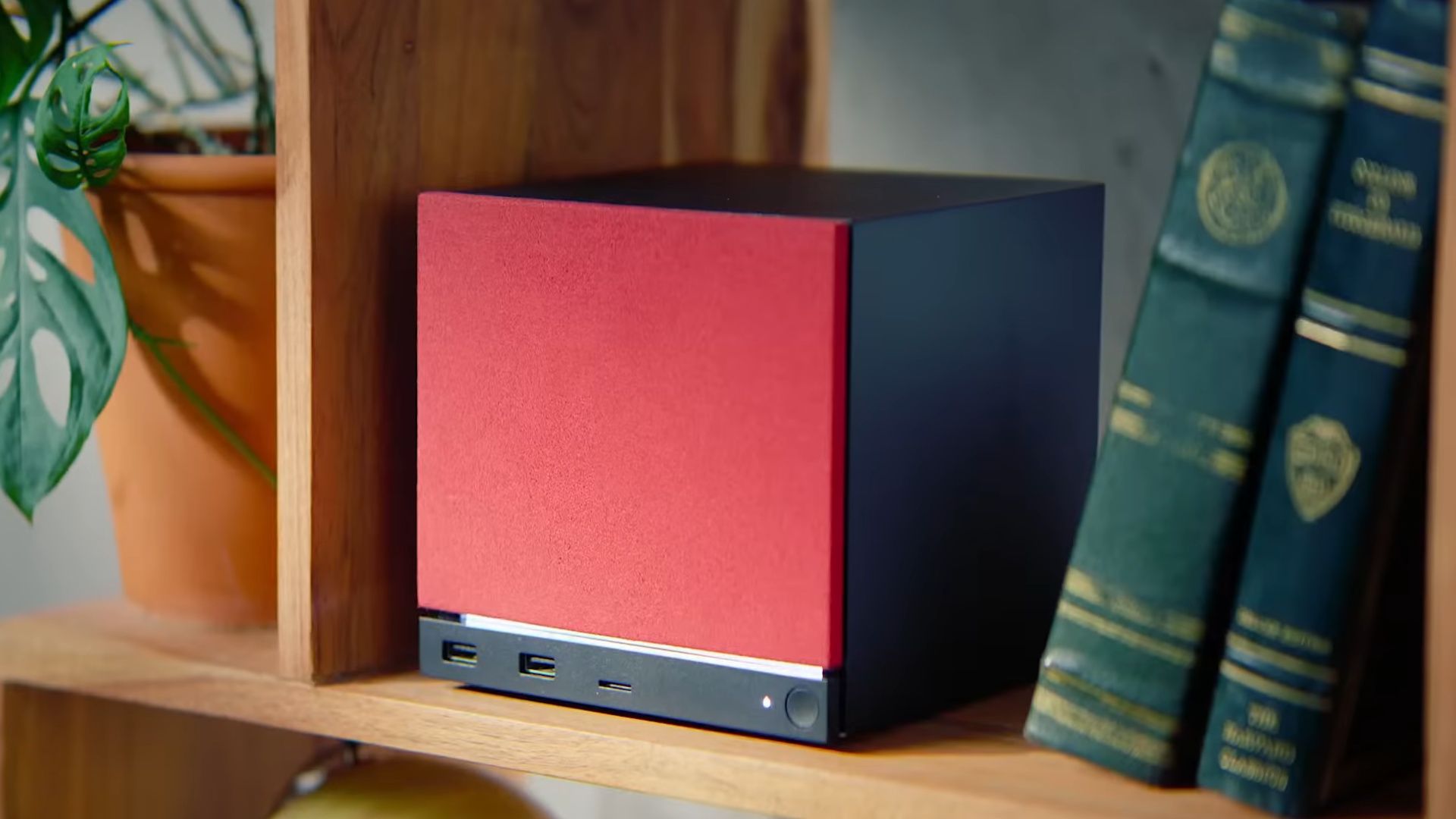
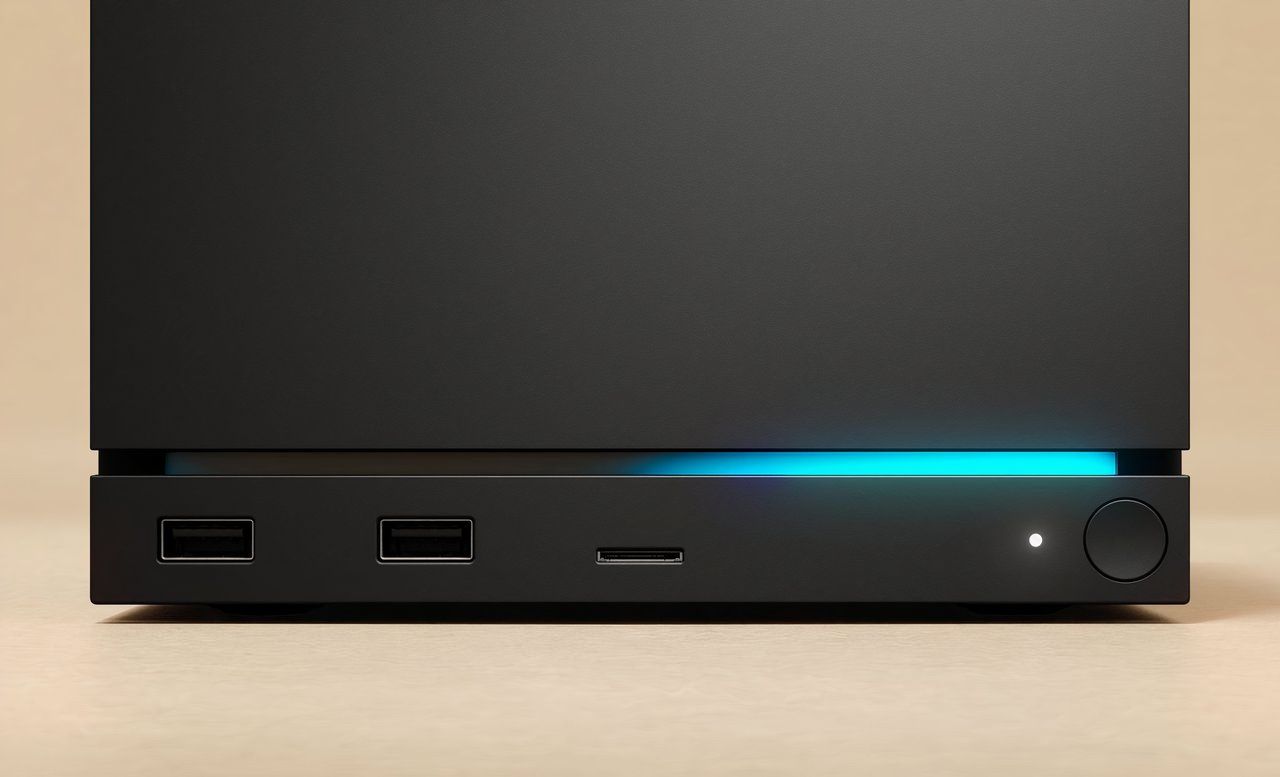
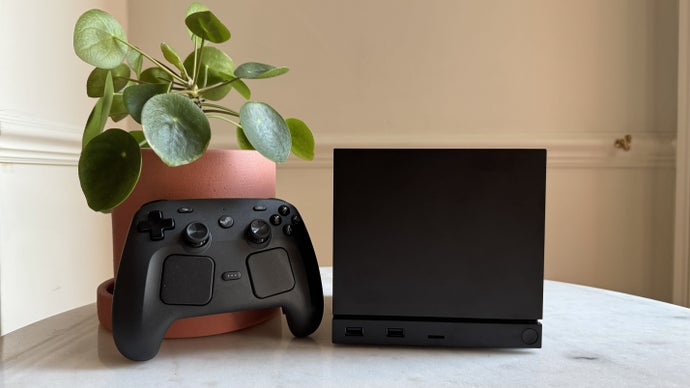
On the surface, the Steam Machine looks splendid, with a design that’s sleek enough to blend with your home entertainment setup. But as I unpacked it and hooked it up, the excitement was mixed with skepticism. There’s a certain charm to the idea of a device that harks back to the glory days of couch co-op gaming, but it begs the question of whether Valve has solved the myriad issues that plague a hybrid gaming setup.
The user experience is a significant consideration here. Once you boot it up, the SteamOS greets you with a user-friendly interface designed for ease of navigation. It’s inviting, almost warm. However, the system feels like it’s still learning how best to serve its users. Despite the efforts made to refine the software, there were moments when navigating through larger game libraries felt clunky. It's that kind of reality check that reminds you this venture is both exciting and imperfect.
One of the most appealing features is the ability to access your entire Steam library alongside non-Steam games, all while enjoying the convenience of controller support. This could genuinely reinvent how people think about PC gaming in the living room. Imagine settling in for a gaming session on your couch without having to dust off your old gaming rig. Great in theory, but in practice, the execution doesn’t always hit the mark.
Then we come to the price point. The Steam Machine is undoubtedly on the higher end of the spectrum, and that raises the stakes significantly. For the money, many gamers might question whether they’re getting the value they deserve. In a world awash with gaming PCs and consoles priced far more competitively, this niche offering feels like it’s aiming for an audience that might not be as large as Valve had hoped. This makes it less of a must-have and more of a luxury for those who already have that longing for the living room gaming experience fashioned around their existing PC library.
Perhaps the most critical takeaway from my time with the Steam Machine is this: it’s an endearing attempt at intertwining PC gaming with console convenience, yet it seems to tread the line of niche interest. While it's easy to appreciate Valve's ambition and the vision behind this device, it might just be a little too expensive to attract a wider audience. Gamers are notoriously savvy about where they invest their money, and in the current landscape, the value proposition simply may not resonate with everyone.
In the end, the Steam Machine stands as a fascinating testament to Valve’s ongoing commitment to evolving the gaming experience, even if it poses more questions than answers at this stage. Sure, it captures the spirit of couch gaming beautifully, but whether it’s something gamers can wholeheartedly embrace remains to be seen. For now, it’s a curious piece of gaming hardware that deserves a moment in the spotlight, even if it struggles to find its place in the larger gaming landscape.