As the gaming landscape shifts beneath our feet, the arrival of the new Steam Machine feels almost like a ghost from a past era. When the Steam Deck launched, it was a beacon of innovation, embraced by gamers with a sense of optimism. The energy surrounding it was palpable, as excitement buzzed over its potential. Now, here we are, confronted with a Steam Machine that enters a vastly different world, one marred by industry turbulence and a global supply chain crisis that seems almost never-ending. In a time when studios are downsizing and the very fabric of gaming creativity seems strained, Valve’s latest venture feels somewhat out of place.
To put it bluntly, Valve has an uphill battle ahead. The original Steam Machines stumbled in their early days, undermined by a lack of games to justify their existence. Now, the new rendition struggles to differentiate itself in a crowded marketplace while its price point raises eyebrows. If you’re eyeing the entry-level model, you’re looking at close to 900 pounds. That alone is likely to incite waves of skepticism across community forums and YouTube channels, where discussions about its viability are bound to shift towards the ominous territory of “dead on arrival.”
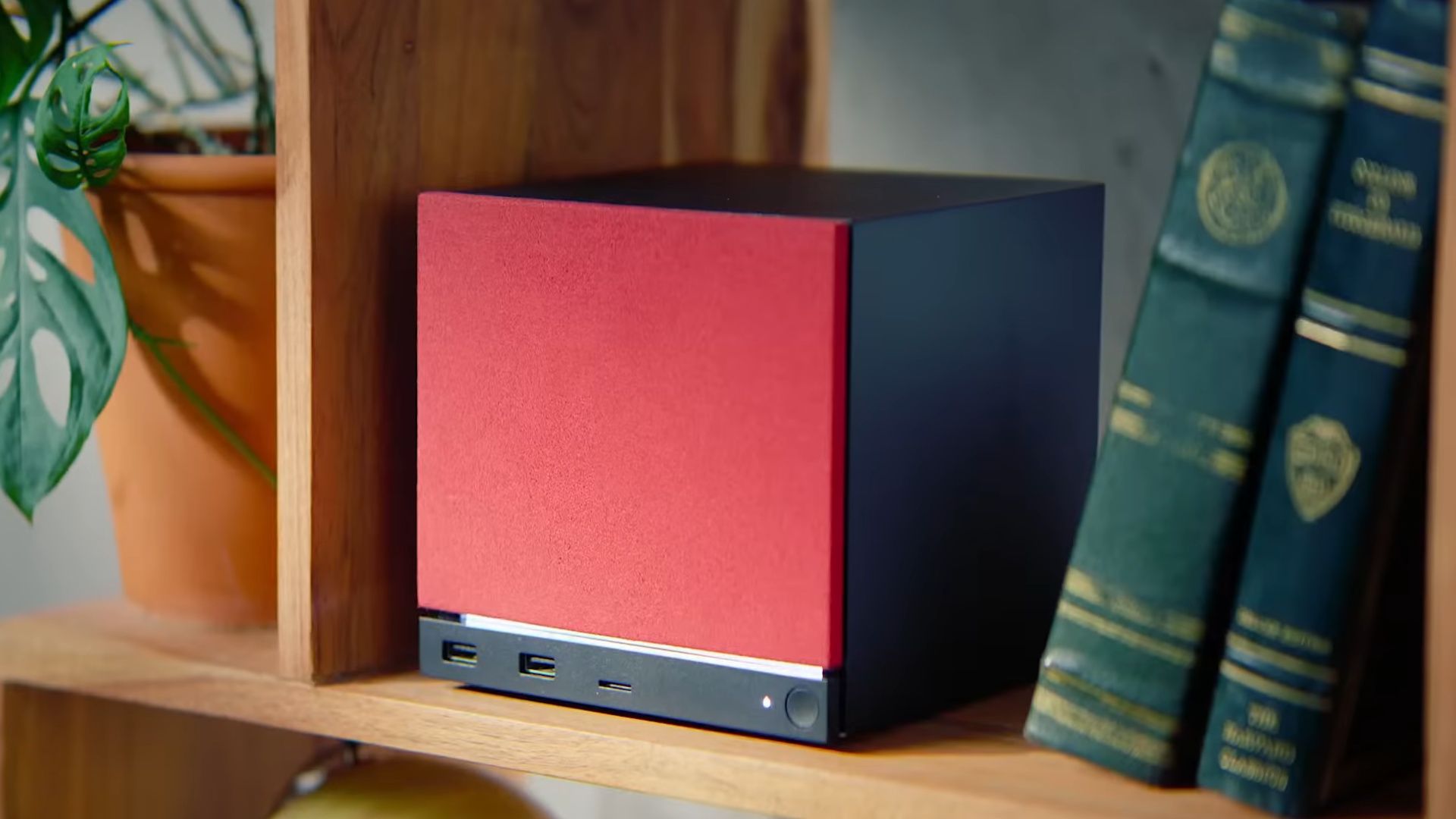
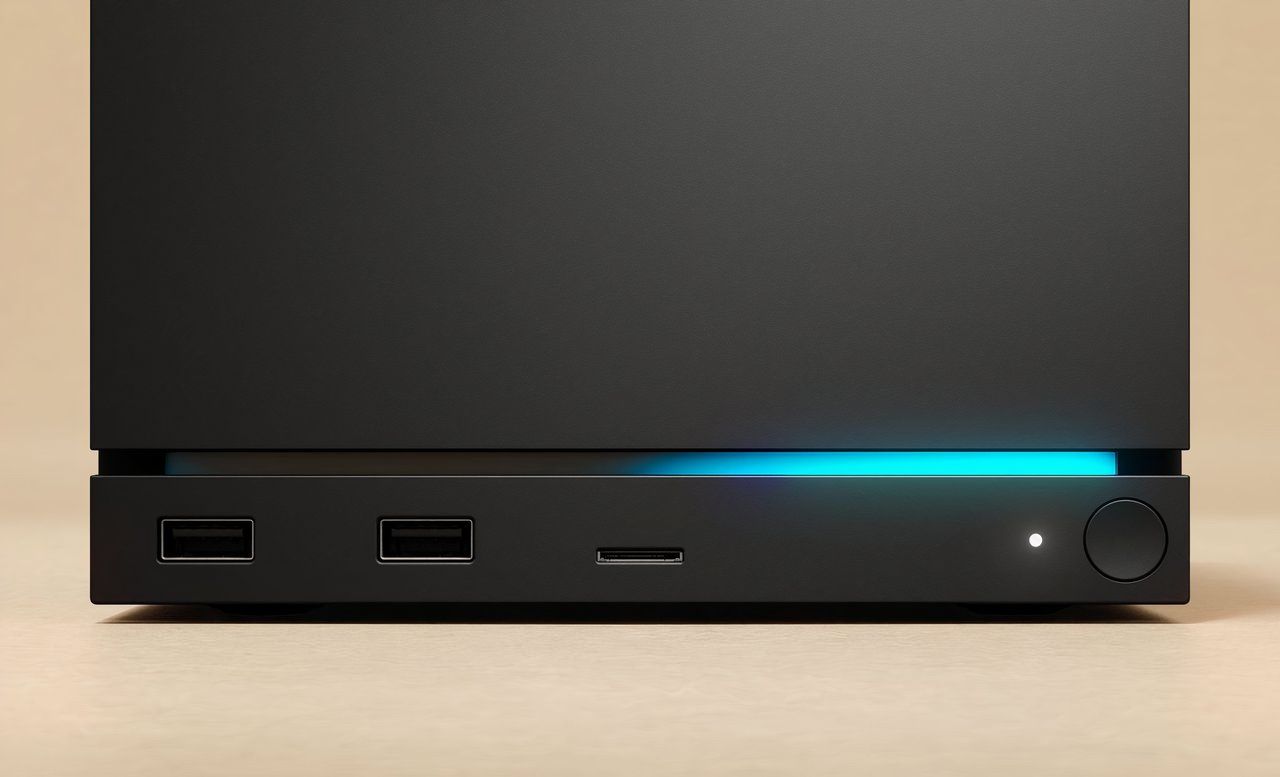
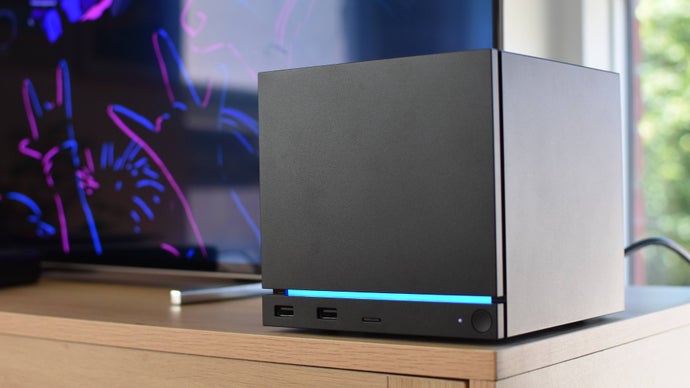
But are those doubts completely fair? When you take a moment to step back and engage with the Steam Machine beyond the sticker shock, it begins to present a more nuanced picture. Sure, it doesn't radiate the same joy as its handheld counterpart, but it offers a different kind of allure. This isn’t just another gaming PC; it’s a bespoke device designed to fit seamlessly into your living room, poised to enhance your home entertainment setup rather than clutter it.
Living with the Steam Machine reveals its strengths more than mere numbers ever could. It's designed to be functional and stylish, an unobtrusive companion that elevates your gaming experience without demanding your entire desk space. There's something refreshing about a machine that's clearly crafted for comfort, meant to sit under your TV, waiting to serve both casual gaming sessions and the more immersive experiences that modern titles offer.
What truly stands out is the SteamOS. While the ecosystem may still feel rough around the edges compared to traditional Windows setups, it has matured significantly. It brings with it a focus on performance and the ability to easily access a library of games through Steam itself, allowing players to dive into their favorite titles with minimal hassle. The focus here is not on chasing top-tier graphics at every turn, but rather on ensuring a smooth and enjoyable experience—something that often gets overlooked in the frenzy of hardware debates.
Even amid skepticism, the Steam Machine carves out its niche. It may not achieve the splashy impact of the Steam Deck, and it certainly doesn’t come cheap, but it possesses a charm that can’t be ignored. For those willing to embrace the quirks and challenges, it offers a glimpse into a capable and thoughtful gaming future. While it might not ignite the same childlike enthusiasm as its predecessor, the Steam Machine represents a valuable addition to the PC gaming world—a machine that's just distinct enough to carve its own path, rather than merely joining the crowded line of traditional gaming PCs. In that sense, it definitely deserves some love, even if it can be easy to overlook at first glance.