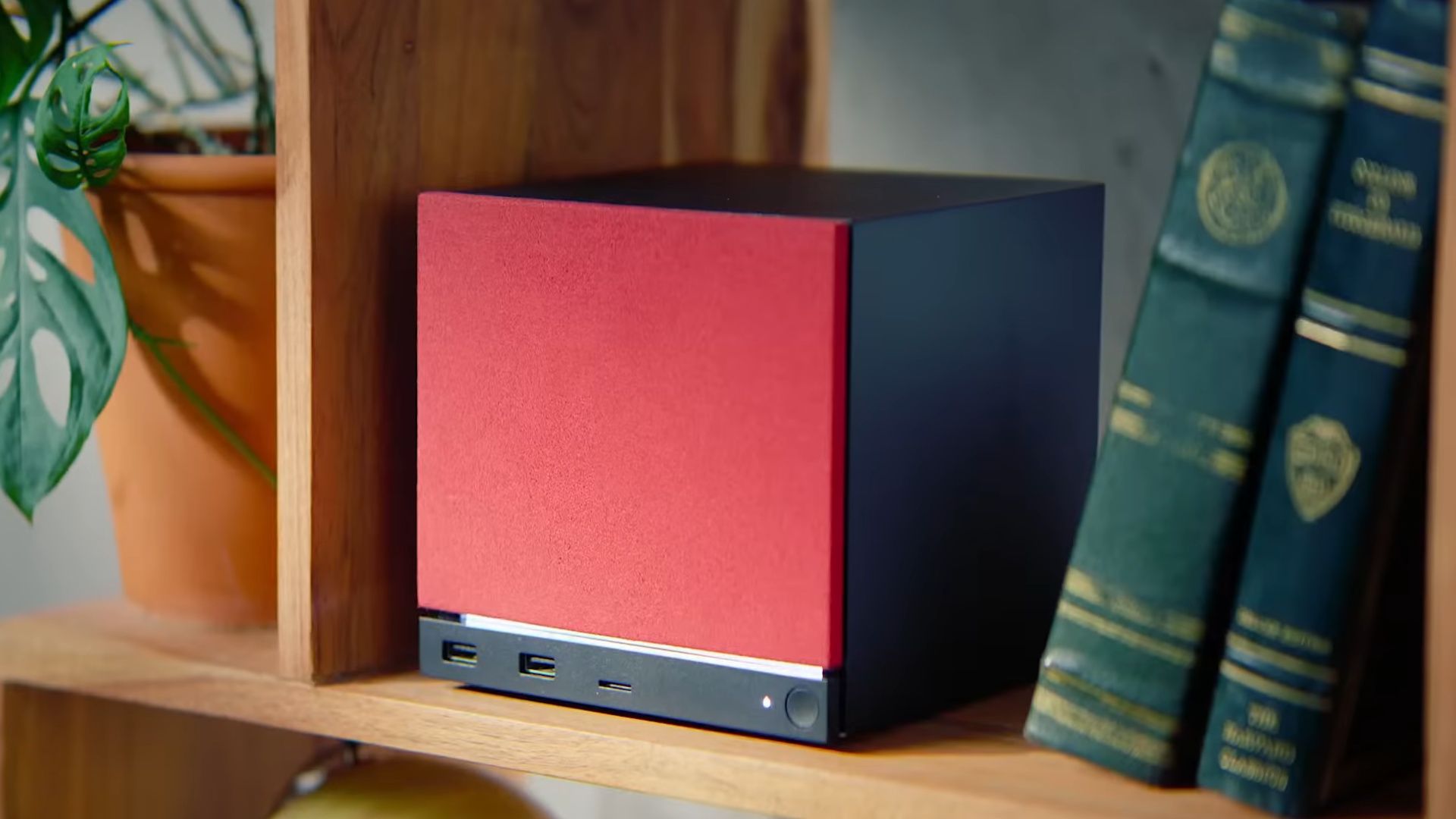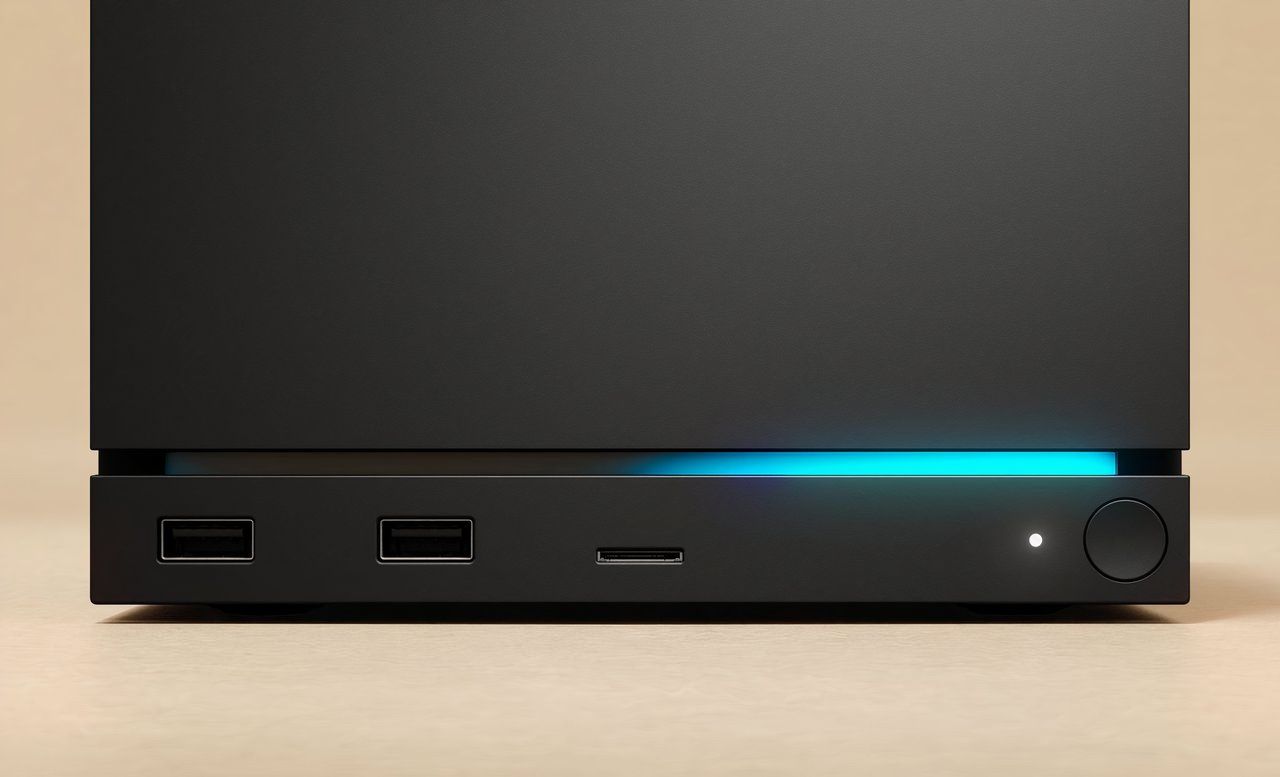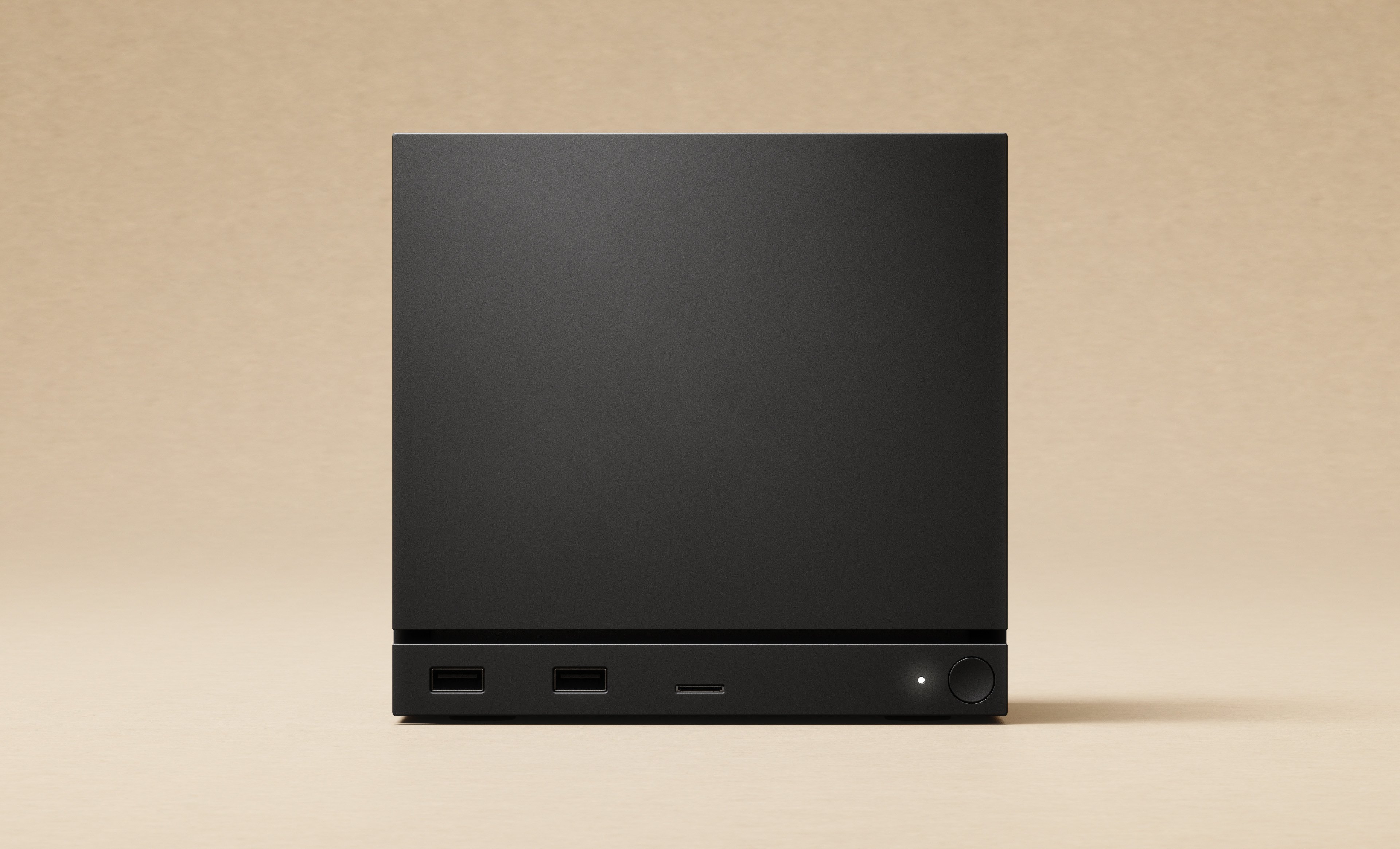
Valve's ambitious foray into the living room gaming scene, the Steam Machine, has hit a significant roadblock. At a price point exceeding $1,000, or in some configurations soaring past $1,400 including a 2TB model bundled with a Steam Controller, the device is far more costly than the company originally envisioned. This unexpected leap in price raises questions not just about Valve's pricing strategy but also about its long-term vision for couch gaming.
When Valve first introduced the Steam Machine concept, the company aimed to create an accessible and versatile gaming platform that would bridge traditional PC gaming with the console market. With the promise of running a myriad of Steam's library in the comfort of your living room, it seemed like a dream come true for many gamers. However, as the price tag climbed, that dream has started to look more like a pipe dream, particularly for the average consumer who might not want to empty their wallet on what has become a premium gaming experience.
One can't help but wonder about the implications of these high prices. People were drawn to the concept of a console-like setup without being locked into a single hardware ecosystem. For some, the appeal of a machine designed to maximize the Steam experience was enough to justify the pricing. But now, with the cost surpassing those of some high-end gaming PCs, Valve risks alienating a portion of its core audience who might prefer more conventional options or even the latest generation consoles that offer a plethora of exclusive titles.
The pricing conundrum not only impacts Valve’s potential success but also reflects broader trends in the gaming industry where hardware prices seem to be inflating faster than ever. It poses a critical question for players: will they embrace this PC-centric console idea, or will they retreat to the tried and true systems they already own?
Moreover, for a product that markets itself on the premise of being both a gaming console and a PC, the performance specs need to back up the cost. Gamers are savvy; they know how to compare hardware. If the Steam Machine isn't delivering functionality that justifies this steep price, the backlash could be inevitable.
Despite these challenges, Valve has historically been a company that pushes boundaries. Their innovations have often inspired other manufacturers to rethink their approaches. However, they must tread carefully in this instance. The gaming community is more attuned than ever to price versus performance, especially after the tumultuous last few years where supply chain issues affected availability and cost across the board.
For now, observers are left pondering whether the Steam Machine can carve out its niche among gaming enthusiasts, particularly in a market that feels increasingly saturated with options. High prices might deter many potential buyers, but if Valve can demonstrate that this premium hardware offers an unmatched gaming experience, they might just prove the skeptics wrong.
Ultimately, Valve’s gamble with the Steam Machine is one that demands both a leap of faith from the company and a serious consideration from the gaming community it serves. If they can strike the right balance, they might transform our gaming habits once again. Otherwise, we could be facing a cautionary tale about misjudged pricing and market expectations that leave even the most passionate gamers feeling priced out.