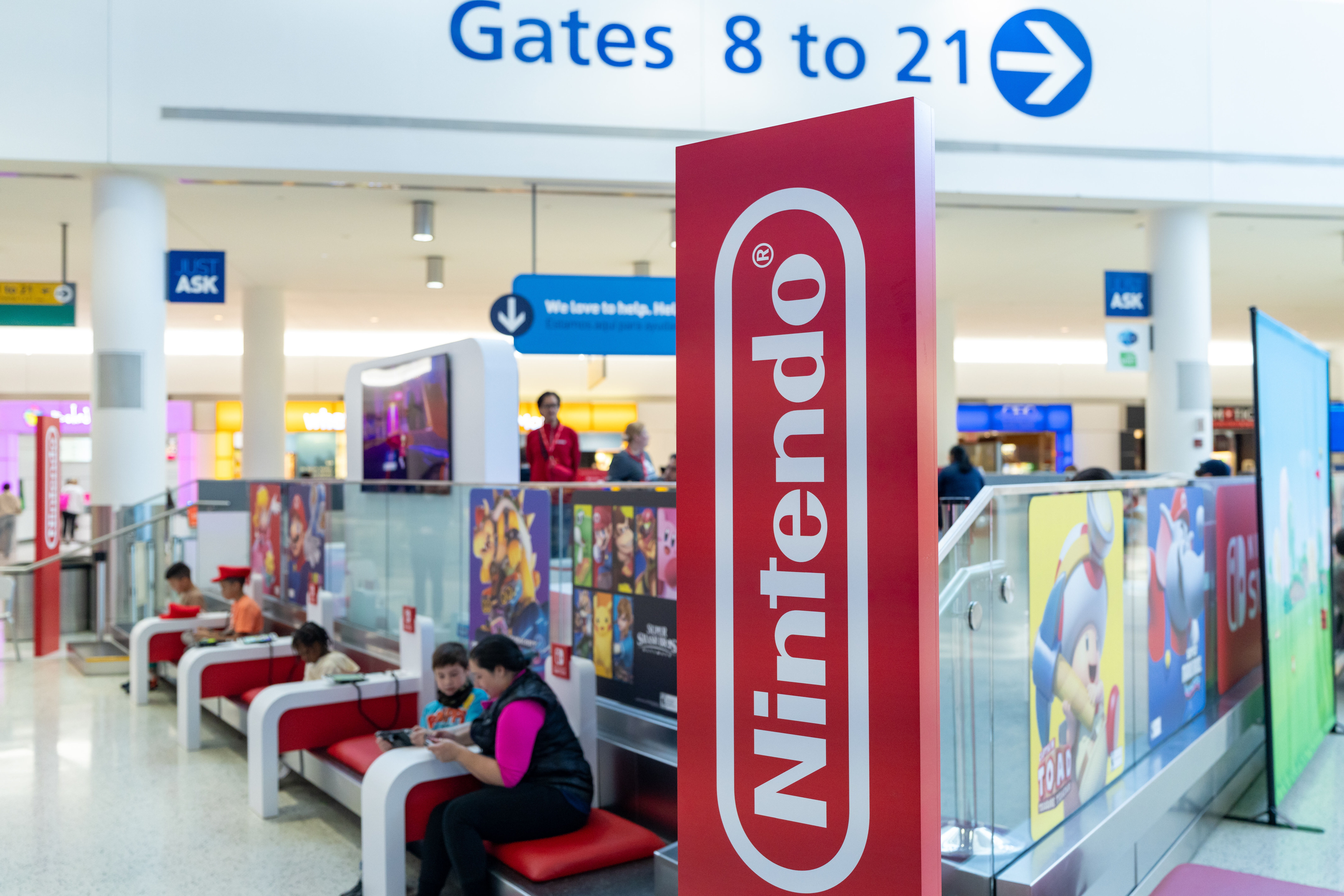
Recently, a hacker group known as RansomEXX announced that it has allegedly stolen employee data and internal communications from Nintendo. This revelation came accompanied by a ransom demand of $2 million, sending ripples through the gaming community and raising concerns about privacy and security within the gaming giant. However, in response to these claims, Nintendo has characterized the stolen data as limited and old, suggesting that the potential impact might not be as severe as the hackers intend.
Nintendo's history with hacking incidents is lengthy and complex. Over the years, the company has faced various cyber threats, and this latest incident appears to be just one more chapter in an ongoing struggle between corporations and malicious actors. The claim of the ransom underscores not only the personal and sensitive information that can be at risk but also the financial and reputational stakes involved when companies like Nintendo find themselves in such predicaments.
According to RansomEXX, the compromised data includes personal information about employees, potentially exposing them to undue risk. Even if Nintendo insists that the data is outdated, any breach of this kind raises eyebrows and prompts questions about how prepared companies are to safeguard employee information in the digital age. While the specific details of the stolen data remain unclear, the promises of threats and ransom only fuel a climate of apprehension.
The gaming world has been no stranger to these types of incidents. Just a few years ago, another major publisher suffered a significant breach, leading to the exposure of development secrets and sensitive information about unreleased titles. Companies are investing millions into cybersecurity, yet incidents like these remind us that hackers are continually finding new methods to circumvent protections. Essentially, the tug-of-war between security measures and hackers is ongoing, with no clear end in sight.
In this instance, the nature of the data and the intent of the hackers shapes the conversation moving forward. Nintendo, with its colossal stature in the gaming industry, must navigate public perception while reinforcing its security protocols. A breach can erode trust not only with customers but also within its workforce. The company's swift response, framing the situation with a note of confidence, suggests an effort to reassure stakeholders that they are handling the matter with diligence.
While the situation remains fluid, it poses interesting questions about the evolving landscape of cybersecurity, particularly for corporations that deal with massive amounts of digital data. As gaming becomes increasingly intertwined with technology, how companies protect player and employee information will inevitably become a central concern. It’s no longer just about blocking hackers; it’s about creating a culture of cybersecurity awareness that extends far beyond the confines of an office.
As Nintendo continues to address this breach, it will be closely watched not just by players and fans, but by an industry that is constantly echoing the lessons learned from past mistakes. The outcome might influence how other companies approach their own security strategies, as they consider not just the threat of breach but also the implications of such incidents on their brand reputation. In the end, while cyber threats will persist, the hope remains that companies will learn and adapt, making the gaming landscape a safer environment for everyone involved.