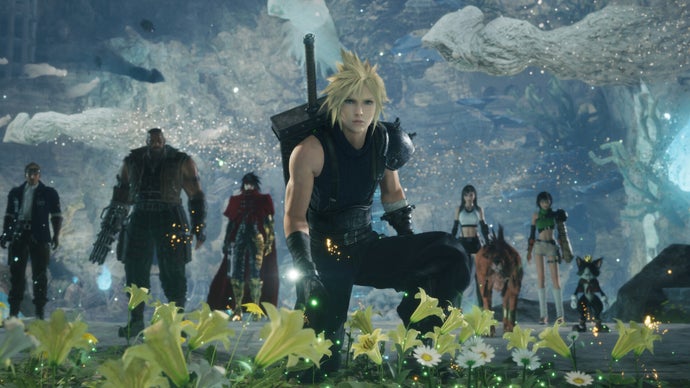
Final Fantasy 7 fans have been keeping a close eye on the series since the announcement of the highly anticipated sequel, Rebirth. As excitement built, gamers couldn’t help but speculate about the title of the third installment. With terms like Reunion thrown around—thanks to its previous use in Crisis Core—it seemed that the community was hungry for any hint about where the saga was headed. Finally, during the Summer Geoff Fest, we learned that the next entry will be called Revelation. Interestingly, this unveiling wasn't just a revelation for fans; it was news to much of the development team as well.
Naoki Hamaguchi, the director of Final Fantasy 7 Rebirth, recently took the opportunity to address why Revelation was chosen, especially given that the game’s core theme revolves around the concept of resolve. It’s a nuanced answer that speaks to the intricate tapestry of storytelling that the Final Fantasy series is known for. He explained that the title was meant to reflect more than the surface elements of the narrative. It signifies layers of meaning that unfold as players delve deeper into the game's world, characters, and conflicts.
This choice reflects not only the plot's development but also the series' evolution as a whole. The journey of Final Fantasy 7 is storied, marked by twists and turns that often challenge players' expectations. This new title suggests that, much like the themes of resolution and determination, the players will encounter surprises that redefine their understanding of the characters' motivations and objectives.
While some might wonder why a title like Revelation was chosen when resolve is the theme, Hamaguchi's insight sheds light on the intricate parallels between these concepts. The struggle for resolve drives the narrative forward but ultimately leads to moments of revelation that change everything for the characters involved. Gamers often relish the unexpected—moments that delight and challenge them—so the title speaks to both the anticipated and the unforeseen elements that define the experience.
The buzz surrounding the title alone illustrates how embedded Final Fantasy 7 is in gaming culture. Fans have long invested their hearts and minds into this universe, dissecting every detail for clues about the story's outcome. With the announcement of Revelation, there’s renewed energy as the community prepares for an adventure that looks to delve deeper into familiar yet entirely fresh territory.
As players continue to engage with Rebirth, it’s clear that the fiber of this story is woven not just with threads of nostalgia, but also with the realities of character growth and plot development. Final Fantasy 7 has a unique way of blending the personal and the epic. Indelible moments born out of resolve often provide the backdrop for grander revelations. This blend is what keeps players coming back to the series—it’s not just about the battle system or graphics, but about the intricacies of storytelling that resonate with individuals on a profound level.
In a landscape crowded with games that may focus solely on combat or mechanics, Final Fantasy 7 stands apart. It’s a reminder that effective storytelling in video games can elevate the medium, leading to emotional engagement that lingers long after the credits roll. So as we await more details on Revelation, the anticipation is not just about what's next but about how those revelations will enrich a narrative steeped in resolve.