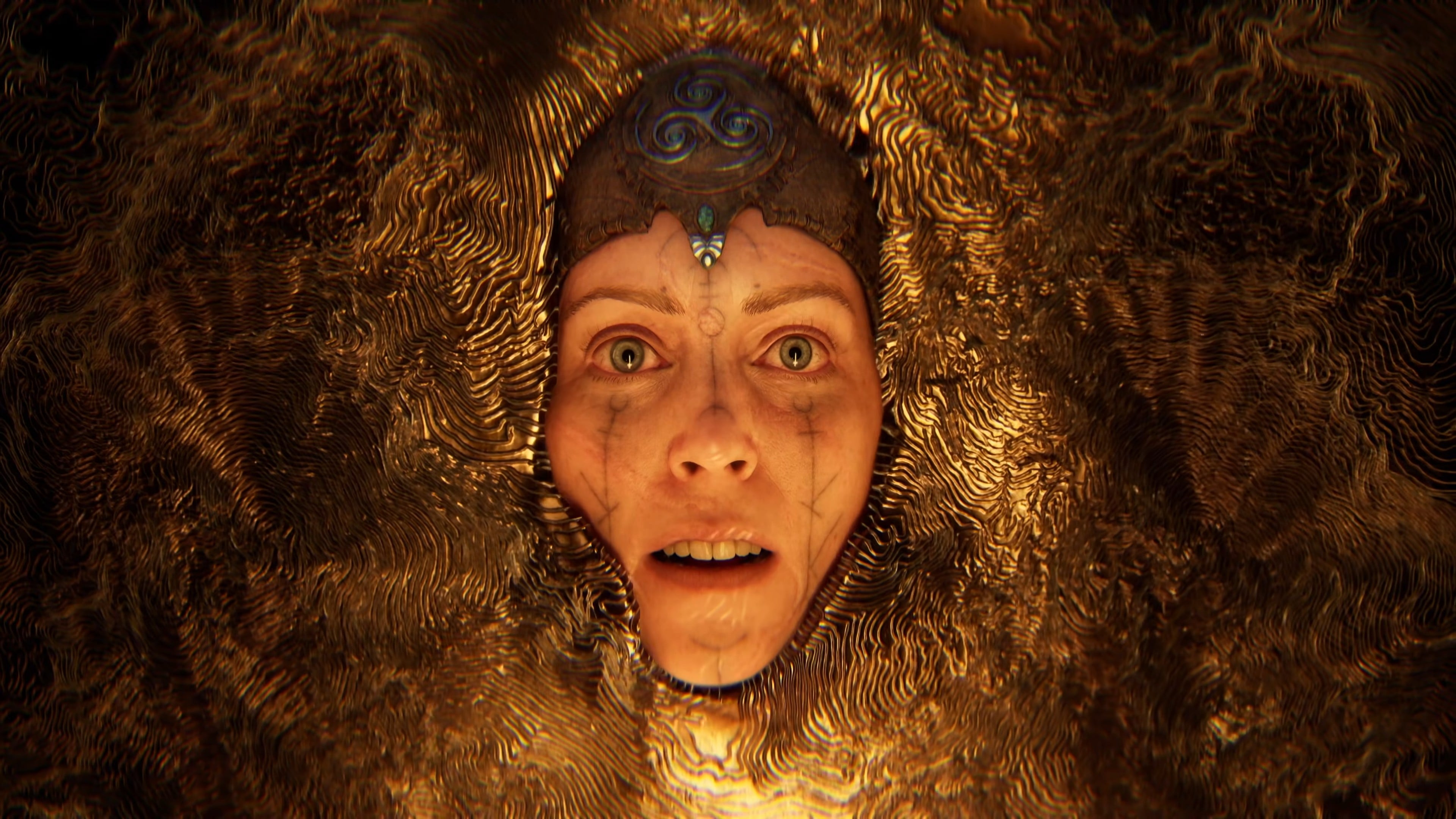
Recent developments surrounding Ninja Theory and its ambitious title, Senua, have stirred up quite a conversation within the gaming community. The studio, known for its groundbreaking work in the realm of narrative-driven experiences, recently unveiled Senua at Xbox's summer showcase. The excitement was palpable, but it seems there’s a darker undertone to the news.
Reports have surfaced suggesting that Microsoft may have had plans for the closure of Ninja Theory even before the game was officially announced. It raises some eyebrows, doesn't it? On one hand, we celebrate the unveiling of a potentially groundbreaking title, while on the other, we grapple with the unsettling revelation that the studio behind it might not have a firm footing.
Ninja Theory garnered significant attention after its previous success with Hellblade: Senua's Sacrifice, which not only pushed the boundaries of storytelling in video games but also addressed mental health issues in an extremely thoughtful manner. The expectation was that Senua would build on this triumph, expanding the narrative and emotional depth that fans had come to love. To hear that the studio’s fate might have already been sealed feels like a jarring juxtaposition to the hopeful optimism surrounding the game’s announcement.
The gaming industry is no stranger to its share of upheavals, especially in a climate where mergers and acquisitions have become commonplace. It is often the case that larger corporations wield considerable influence over the destinies of smaller studios, and Ninja Theory's situation is one of many examples that illustrates this complex dynamic. While Microsoft has invested heavily in the studio, one must question whether strategic decisions prioritize profit and expansion over nurturing the creative heart of these development teams.
There is also the matter of what this potentially means for Senua itself. Without the backing of a stable development environment, can the team deliver on the high expectations set by its predecessor? The pressure is immense, not only to create a compelling game but to do so with the looming threat of dissolution hanging over them. This environment can stifle creativity and innovation, which are lifebloods of game development.
Of course, there are always rumors swirling around in the gaming world, and it’s essential to approach this news with a balanced perspective. The reality may evolve as more information comes to light and as discussions unfold. However, if there's any truth to these claims, it would represent a troubling pattern in the industry where creative teams are mere cogs in a corporate machine.
For now, fans should hold onto the glimmer of what Senua promises. The trailer showcased stunning visuals and hinted at an emotionally resonant narrative that could push the boundaries of the medium even further. Fans are eagerly awaiting the release, hoping it will live up to the legacy of Ninja Theory’s past success. At the same time, we must remain vigilant and critically engaged with the larger implications that surround the studio’s future.
As the gaming community rallies around new releases and unforgettable experiences, it's equally vital to reflect on the foundations that support these creations. The fate of industry giants and their smaller counterparts are intricately linked, and developers like Ninja Theory deserve encouragement and stability to thrive. Here's hoping that Senua represents not just a creative victory but also a turning point for the studio, potentially averting the worst-case scenario. The gaming landscape is rich and vibrant, and it’s up to all of us to nurture it.