As an avid gamer, I’ve often found myself bypassing titles that try to emulate the success of FromSoftware’s iconic games. Let’s face it—specific mechanics and the overall feel of a game are hard to replicate. Yet, I recently found myself captivated by a Steam demo that completely flipped my expectations.
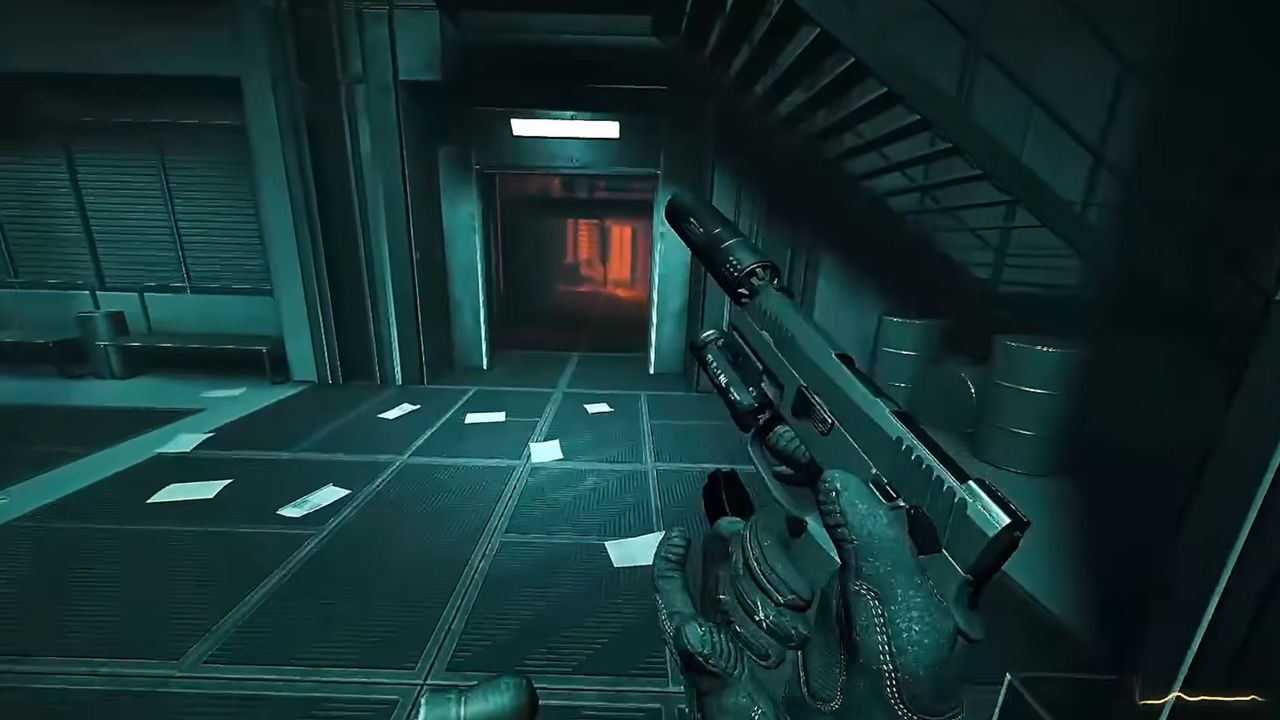
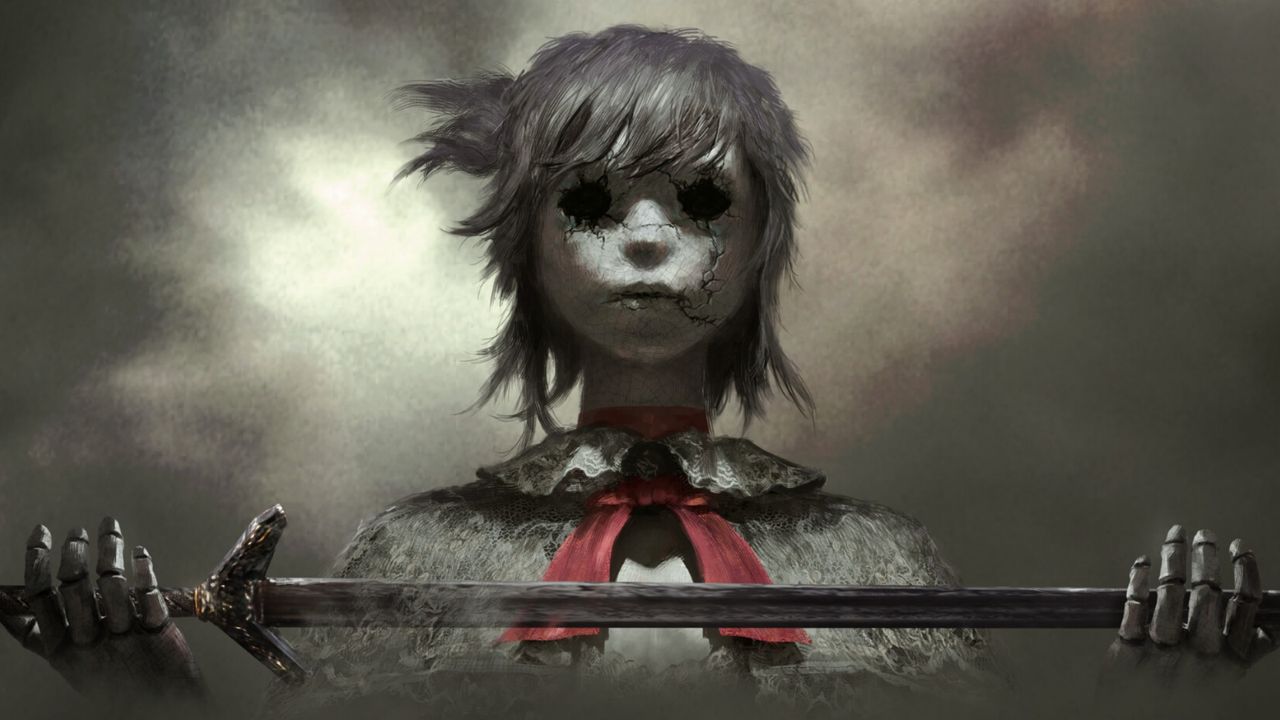
Prison of Husks had slipped under my radar until I caught wind of its early release. Intrigued but cautious, I downloaded it, expecting just another underwhelming clone. However, as soon as I started playing, it became clear that this game might have a voice of its own. The moment my character stepped into the titular prison, the atmosphere enveloped me. The setting is disturbingly beautiful, filled with shadowy corridors and unsettling imagery, creating an experience that’s both haunting and strangely irresistible.
Navigating through the prison, I was quickly reminded of the stalwart design philosophy that defines games like Dark Souls—the careful placement of enemies, the intricate level layouts, and the palpable sense of dread around every corner. While some titles struggle to achieve this balance, Prison of Husks embraces the challenge with an impressive confidence. Each encounter feels deliberate, and even my mistakes carried a certain weight, pushing me to adapt and refine my strategy with every death.
What struck me most was the combat system. It doesn't simply ask for player precision; it demands it. Attacking feels impactful, and the animations have a rugged elegance that pulls me deeper into the game world. I found myself caught in this satisfying loop of engage, learn, die, repeat—a formula that can either frustrate or exhilarate, depending on execution. Thankfully, Prison of Husks opts for the latter, giving players just enough empowerment to encourage exploration without feeling overly punishing.
As I delved deeper into the lore and environment, I noticed the narrative unfolded almost organically. While it doesn’t boast the same level of intricate storytelling as some of its predecessors, it intriguingly hints at a dark history. I could feel the weight of its world pressing down on me, gradually revealing a story that weaves seamlessly into the gameplay. It’s an art in itself, creating a rich tapestry that encourages players to piece together the narrative strands as they progress through the treacherous environment.
I found myself sharing my experiences with my fiancée, almost like a narrative device in itself. As I exclaimed about my discoveries and setbacks while playing, it became apparent that Prison of Husks had ignited the same passion in me that Dark Souls and Bloodborne once did. There was a moment, as I remarked on finally reaching the Prison of Husks, when I realized how tightly this game had gripped my imagination.
By the time I reached the demo’s end, I was left craving more, my thoughts racing about what the full game might offer. Sure, like any demo, it has its rough edges, but the potential is undeniable. It feels like a refreshing entry into a genre often burdened by assumptions. As I prepare for its full release, I can’t help but think this might be my new favorite souslike, a title that manages to honor its inspirations while crafting its own identity. In a world saturated with imitations, Prison of Husks stands out—an unexpected gem that might just change my outlook on the genre altogether.