In the ever-evolving landscape of video games, the line between horror and sheer shock often blurs, leaving creators to grapple with the perceptions of their works. Recently, the director of Ill, a highly anticipated horror title, took a moment to clarify his vision following the release of a notoriously brutal trailer. Viewers were both captivated and repulsed, as it featured shocking imagery, including the stomach-churning moment of a zombie baby’s skull being crushed and the unsettling act of an eye being gouged out. It’s the kind of visceral horror that either draws people in or scares them away entirely.
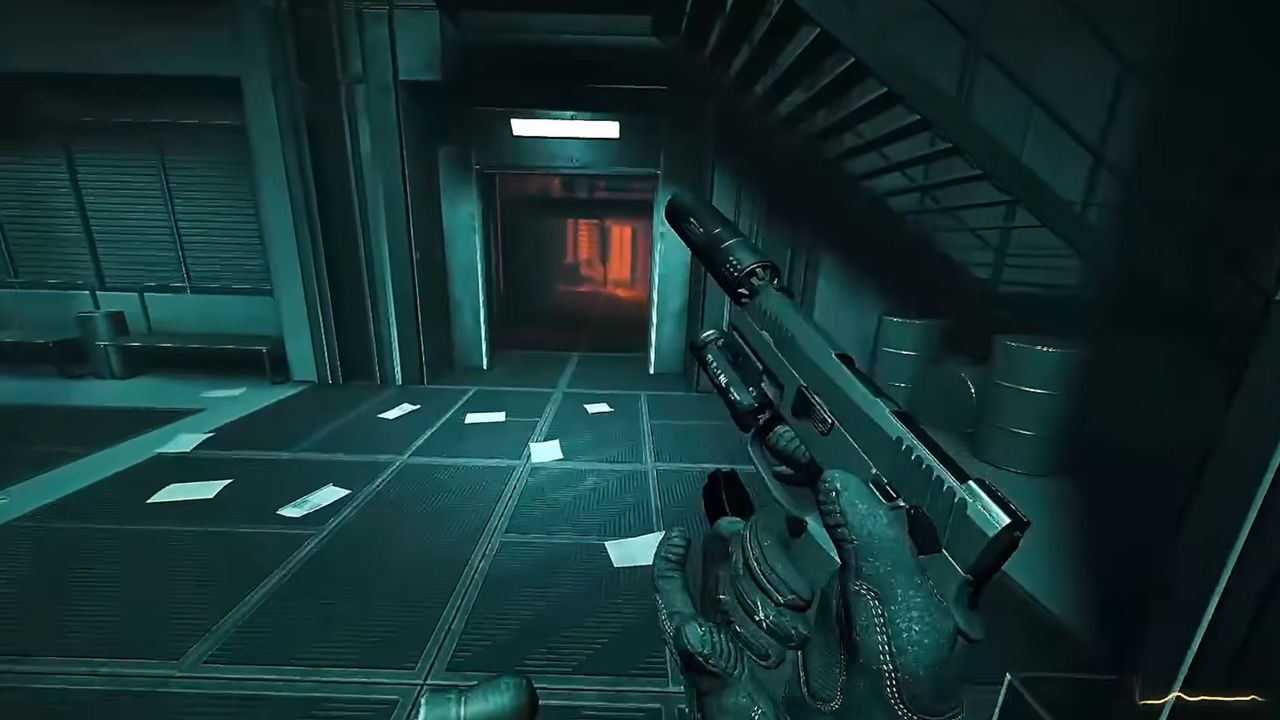
But the director insists that the game isn’t meant to be simple gore porn. On the contrary, he’s focused on a deeper cinematic experience that pays homage to the horror genre's rich history while presenting a fresh take. He attributes some of his influences to the cult classic, Half-Life 2, particularly the iconic Ravenholm chapter. It’s no small feat to evoke the horror and atmospheric tension of that segment, which remains etched in the minds of gamers for its masterful blend of dread and combat. The director aims to replicate that fearful essence but with the technological advancements that contemporary gaming provides.
Ill promises to be more than a barrage of blood and guts, seeking to weave a narrative that resonates with the players. That commitment to story and atmosphere is what separates the hard-hitting moments from mere shock value. With horror, there’s a delicate balance to strike, and it seems that Ill is keenly aware of this challenge. The question then becomes: how do you maintain that tension without veering into gratuitous territory?
What stands out in the marketing for Ill is how it has leveraged these incredibly charged visuals to ignite conversation. In an age where viral moments are currency, a trailer filled with grotesque imagery can serve as an enticing lure. The director’s assertion doesn’t just beg for the audience’s understanding but calls for a deeper engagement with the material. The team appears dedicated to crafting experiences that compel players not just to jump, but to feel the weight of every unsettling moment.
The world of Ill is depicted with a level of detail that raises the stakes. It’s not enough for blood to merely flow; it must serve a purpose—creating an environment that feels lived in, where every shadow tells a story and every enemy encounters a narrative thread. It’s easy to dismiss the visual horror as mere sensationalism. However, the director’s clear intent is to immerse players in both the physical and psychological turmoil inherent in a world riddled with horror.
As anticipation builds for its release, fans will likely scrutinize every piece of gameplay footage, eager to see if Ill delivers on its promises. Will it transcend the limitations of its genre and offer something meaningful beyond the macabre? The director seems confident that they’re on the right path, and perhaps that’s what audiences are looking for in horror gaming today. It’s about the experience that lingers long after the console powers down, not just the thrill of the gruesome spectacle.
In a way, Ill could redefine how narrative and horror intertwine, challenging both developers and players to rethink what real terror evokes. The conversation, it seems, has only just begun.