As I dove into a day spent with the fan-mod of North Korea's RedStar OS, expectations hovered somewhere between curiosity and sheer skepticism. After all, we’re talking about an operating system that claims to represent a nation’s digital heart, wrapped in secrecy and unique ideology. I was prepared for an experience unlike anything I'd encountered before, but there was an undeniable reality check lurking in the back of my mind: would it truly stand up to mainstream giants like Windows? Spoiler alert: not quite yet.
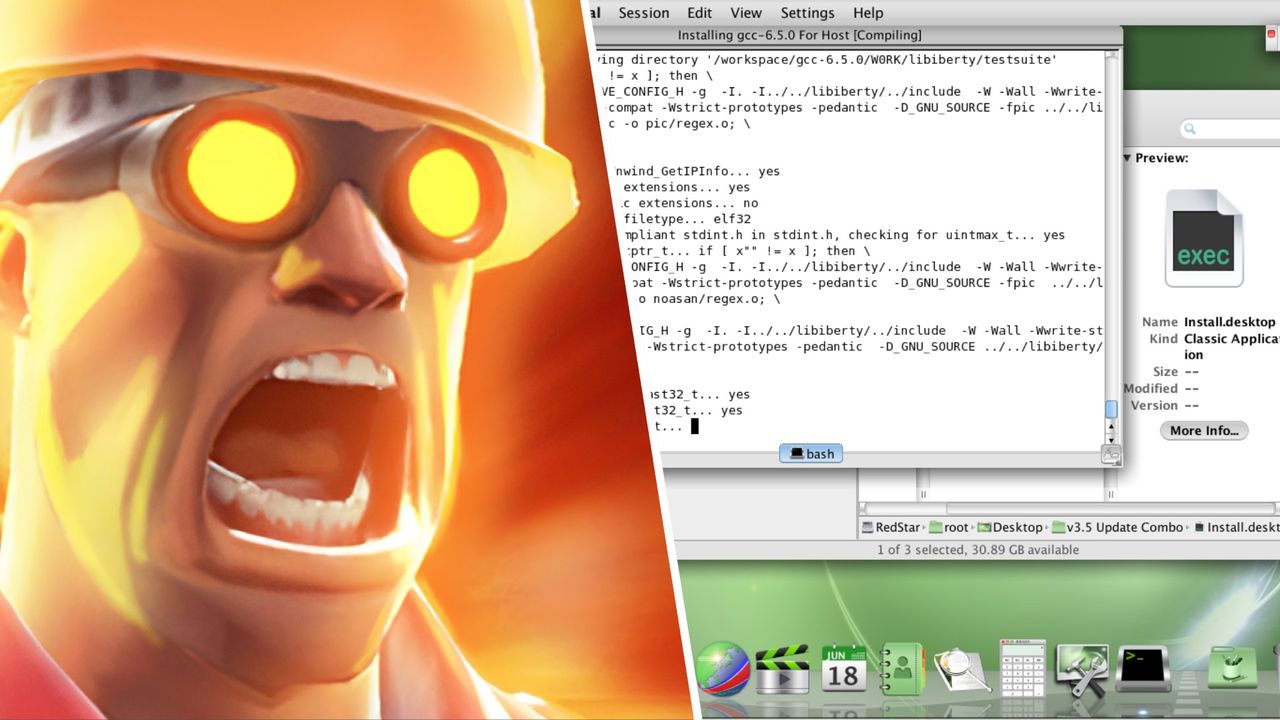
Booting up RedStar was akin to opening a time capsule. The interface looked like something conjured from an alternate internet reality where things simply didn’t evolve as they have elsewhere. The design is a blend of ostentatiously bright colors and large, bold icons reminiscent of retro operating systems, but there’s a certain charm in its clunkiness that gives it character. It’s not sleek or user-friendly by modern standards, but it feels inherently strange, which is, in its own way, part of its allure.
Navigating through the OS introduced me to some fascinating quirks. While it offers a basic suite of applications, a number of them feel more like challenges than tools. The web browser, for instance, operates within a heavily restricted environment, making any attempt to access foreign sites as frustrating as trying to read a book in a foreign language without a translation. It’s an experience made all the more surreal when you consider the stark contrast it holds against the limitless expanse of the internet we take for granted.
One standout feature, the multimedia player, caught my attention. It’s a portal to a curated library that celebrates North Korean aesthetics in film and music. While the selection is certainly narrow and feels very much like a reflection of state-controlled art, it offers a taste of the kinds of narratives and cultural exports that are emphasized there. Watching a propaganda film showcased a creativity that felt exotic in its portrayal of a world alien to my own. At that moment, the OS began to reveal its underlying truth: it’s not merely about functionality; it’s an experience steeped in ideology.
However, when it came to practical use, that’s where RedStar faltered. Tasks like file management were clumsy and often bewildering. The integrated software felt rudimentary, lacking the polish and efficiency you’d find in even the most basic of commercial applications. It was a test of patience, one that I found humorous yet frustrating. While it does cater to a specific narrative and audience, it soon became clear that it’s not going to dethrone Windows or even pose a challenge to macOS anytime soon.
After a full day, the novelty began to wear off. I found myself yearning for the comfort and versatility of a more established OS. RedStar offers an experience that is undoubtedly unique but ultimately impractical for daily use. It’s a relic and a testament to a very specific cultural moment, but not a viable long-term solution for anyone looking to accomplish real work in today’s digital landscape.
In the end, spending a day with RedStar felt like an intriguing pilgrimage into one of the world’s most closed-off information ecosystems. It’s a vivid reminder of how operating systems can embody the ideologies of their creators, but while it’s certainly compelling as a cultural artifact, it remains firmly in the realm of curiosities rather than a true contender. RedStar might one day evolve, but for now, the year of the desktop revolution remains locked firmly in another part of the world.