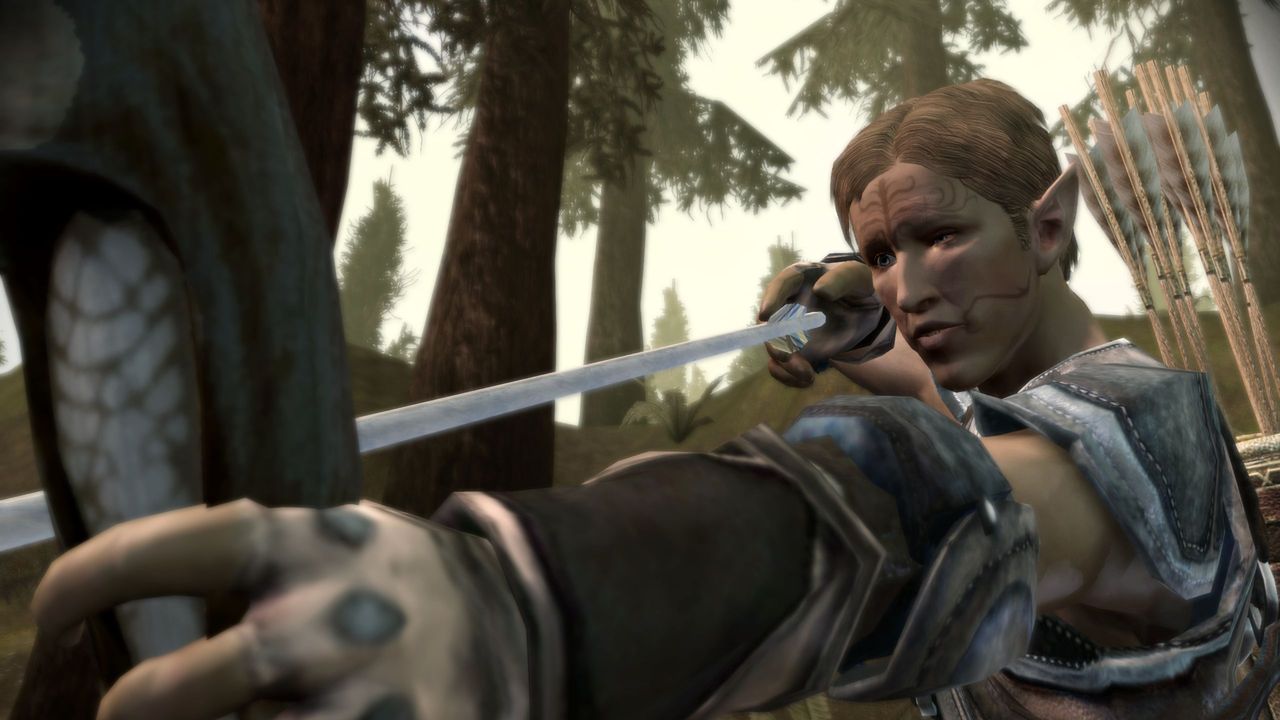
As the gaming industry continues to embrace technological advancements, the conversation around artificial intelligence is heating up, especially when it comes to game development. Recently, a former writer for the Dragon Age series shed light on the potential pitfalls of an AI-driven future in game design. The sentiment is clear: while AI promises to free developers from mundane tasks, it could inadvertently create a host of new challenges, particularly for newcomers to the field.
At first glance, the allure of AI seems undeniable. Imagine a world where developers no longer have to grind through the minutiae of coding or asset management, allowing them to focus on creativity and innovation. However, this optimistic outlook overlooks a fundamental aspect of the industry—the invaluable experience gained through those very tasks that might be deemed tedious. Entry-level positions often serve as the bedrock of skill development, providing the hands-on experience necessary to cultivate the next generation of game developers. By automating these foundational tasks, we risk losing essential learning opportunities that are critical for growth and mastery in the field.
Consider the apprentice who starts out in an entry-level role, gaining insights into the intricacies of game mechanics or narrative structures while handling what some may label as "busy work." These tasks, although seemingly minor, serve a crucial role in developing a deeper understanding of game development. When AI takes over, it seduces the industry into a dangerous complacency, replacing opportunity with efficiency. The message becomes clear: we may inadvertently be closing doors for new talent, leaving them without the chance to learn and grow.
Moreover, there's a broader philosophical question attached to this technological shift. When we consider the role of creativity in game development, it becomes evident that human intuition and emotion cannot be easily replicated by machines. AI can assist in generating ideas or streamlining processes, but there’s an irreplaceable essence in human creativity that algorithms simply cannot replicate. Will we sacrifice the unique perspectives and innovations that arise from the minds of diverse developers for the sake of saving a few hours of labor?
Adding to this complexity is the reality that not all developers are on board with AI integration. There's a palpable sense of concern among industry veterans regarding the over-reliance on technology that might hinder rather than help the creative process. Engineers and writers alike crave collaboration, communication, and the delightful chaos that can arise during brainstorming sessions. Will a future dominated by AI dull that spark? The debate is ongoing, and opinions are deeply divided.
As we stand on the brink of this new era, it is crucial to evaluate our priorities. Integrating AI into game development has its merits, but it also demands a careful calibration of how we structure learning and growth in the industry. We have to ask ourselves if we want to create a workforce of automatons or nurture a diverse community of passionate creators.
The prospect of AI in gaming is undoubtedly intriguing, but we must tread carefully. It’s not just about improving efficiency; it’s about preserving the rich tapestry of creativity and ingenuity that define the gaming landscape. Finding that balance will be essential as we navigate the evolving relationship between human developers and their AI counterparts, ensuring that the future of gaming remains vibrant and, most importantly, human.