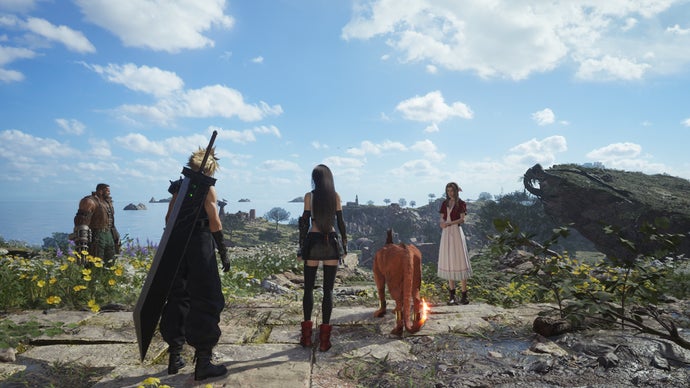
In the expansive world of Final Fantasy 7 Rebirth, there's a remarkable depth to the storytelling that often gets overshadowed by the main quests and towering battles. The game's sprawling landscapes and complex narratives don’t just serve to propel the central plot; they also house intricate details that reflect the richness of human experiences. Among those details is a quietly profound representation of queer characters, which genuinely enhances the game's authenticity.
Take, for example, a subplot that follows the relationship of a lesbian couple, tucked away in the corners of this enormous universe. It's intriguing how a seemingly minor narrative thread can resonate so beautifully, subtly contributing to the world-building without demanding the spotlight. Naoki Hamaguchi, the game director, speaks to this intention. The decision to incorporate such characters stems from a desire to create a realistic depiction of life in the Final Fantasy universe. Characters are not merely tools for gameplay; they are reflections of varied identities that exist in the fabric of this intricate world.
The romance of the couple unfolds against the backdrop of breathtaking landscapes, intricately designed cities, and vivid skies. It’s easy to get lost in the sweeping epicness of the main story, yet these side tales ground players in an authentic human experience. They serve as gentle reminders that love, in its many forms, is a universal concept that transcends even the fantastical realms in which these characters dwell.
What’s striking here is how these narratives are woven into the gameplay so seamlessly. There’s no overinflated drama or forced dialogues. The stories breathe within the game, merging with the bustling lives of NPCs you encounter as you traverse through towns and cities. This depth makes the world feel alive. For every towering monster and apocalyptic threat, there are countless lives being lived—love stories being told and dreams being pursued that aren't solely about heroism.
This incremental approach to storytelling, particularly regarding representation, is commendable. Final Fantasy has a long history of pushing boundaries and challenging norms, and Rebirth is no exception. Whether it’s through the elaborate character designs or the multilayered narratives, the developers exhibit a sincere commitment to inclusivity. There’s an acknowledgment that players want to see themselves in epic tales—not as mere side notes but as integral parts of the narrative.
In a landscape where many games often default to safe tropes and caricatures, Final Fantasy 7 Rebirth chooses to embrace complexity and authenticity. These queer characters, while subtle, are significant. They add to the notion that fantasy worlds can reflect the beautifully diverse society we inhabit, enhancing the emotional stakes of the journey players take.
As players embark on their quests, delving into the depths of Rebirth's storytelling, they’ll find that every corner of its world holds echoes of intimacy and connection. The game goes beyond mere escapism, inviting us all to engage with the stories unfolding around us—reminding us that every narrative, no matter how small, contributes to the larger tapestry of life in this extraordinary realm. In its embrace of diversity, Final Fantasy 7 Rebirth doesn’t just tell a story; it enriches the very essence of storytelling in video games.