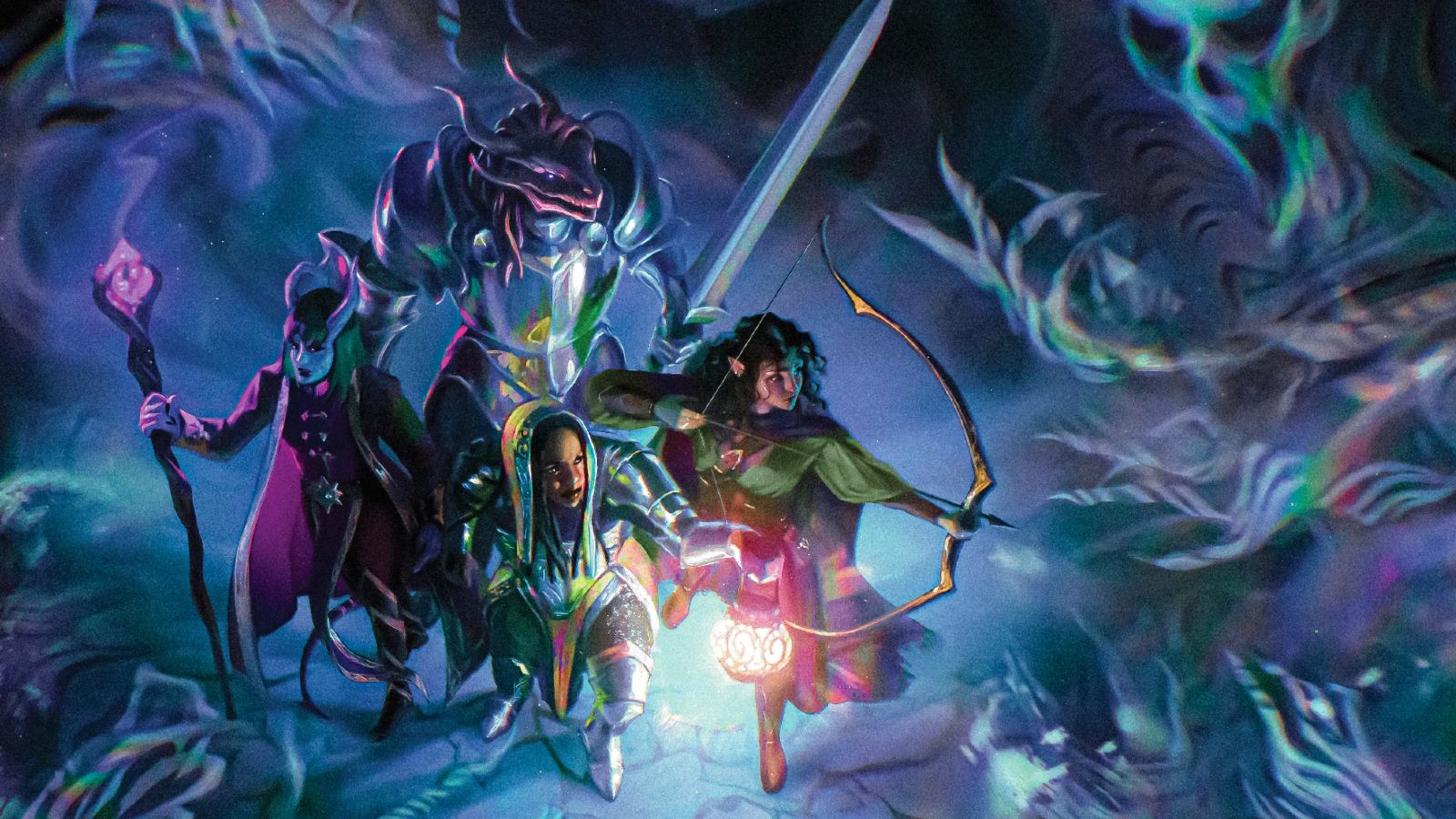
As the world of Dungeons & Dragons continues to expand, fans are inevitably drawn back to its rich tapestry of settings that have been woven over decades. One such beloved backdrop is Ravenloft, a dark, gothic realm filled with peril and intrigue. Wesley Schneider, a seasoned designer on the D&D team, recently sat down to discuss the latest entry in the Ravenloft saga, Ravenloft: The Horrors Within, and how this new tome distinguishes itself from the widely praised Van Richten's Guide to Ravenloft.
Schneider’s passion for the subject is palpable as he describes the need to refresh and reinvent this classic setting for a new generation of players. Since the original Ravenloft module took audiences by storm in the early 1980s, the landscape has changed drastically. Modern players crave more than just haunted castles and striking monsters. They seek depth, nuance, and the freedom to explore character-driven narratives. This new edition aims to deliver precisely that.
While Van Richten's Guide provided a comprehensive overview of the gothic horror themes inherent in Ravenloft, The Horrors Within digs deeper into the psychological aspects of fear and horror. Schneider emphasizes that the team wanted to shift the focus from simply presenting horror tropes to examining the roots of terror. In essence, the new book encourages players and dungeon masters to interrogate what frightens their characters on a personal level, thus creating a more immersive experience.
The design team recognized that Ravenloft’s inherent dread isn’t solely about external threats; it’s equally about the monsters lurking within. This exploration is part of what makes The Horrors Within a significant milestone in the D&D evolution of the setting. Instead of simply flipping through the grim pages to encounter iconic villains like Strahd von Zarovich, players will find themselves facing their own insecurities and moral dilemmas. Schneider points out that this more nuanced approach to horror not only enhances gameplay but also fosters deeper engagement among all participants at the table.
Another noteworthy aspect of The Horrors Within is its methodical approach to crafting original content. While the previous guide understandably relied on established lore, this latest iteration allows more freedom for creativity and serves as a launching pad for new stories. The designers aimed to arm each dungeon master with fresh ideas that can blend seamlessly into their existing campaigns. By providing expansive details about various horrors, environments, and themes, the book creates a foundation that encourages custom storytelling.
Ravenloft has always been a setting that symbolizes moral ambiguity, and Schneider wants players to embrace the gray areas. In The Horrors Within, characters grapple with dilemmas where the lines between right and wrong are blurred, prompting thought-provoking discussions that can resonate even beyond the gaming session. The goal is to create an atmosphere where moral choices weigh heavily, ensuring that players are not just casual participants but active contributors to the narrative unfolding around them.
As the D&D community gears up for the release of The Horrors Within, it seems clear that Schneider and his team have crafted a work that’s more than just a supplement. It’s an invitation to delve into the darker corners of storytelling, where the most significant battles may not always be fought with swords and spells but rather within the minds and hearts of the characters we cherish. With its blend of classic and contemporary elements, this new addition to the Ravenloft legacy is poised to be a defining chapter in the annals of Dungeons & Dragons.