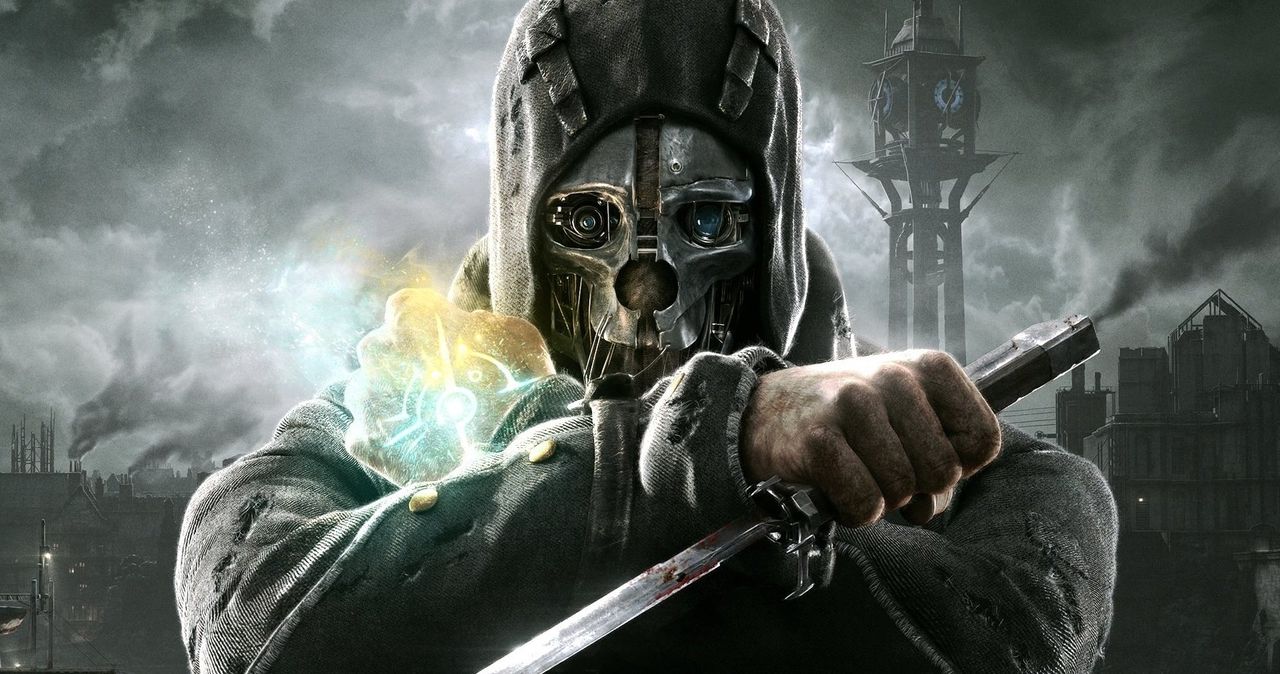
Dishonored bustles with a unique charm that’s as captivating as it is sinister. Set against a backdrop of a sprawling, decaying city named Dunwall, the game invites players into a world drenched in atmospheric beauty and moral complexity. You take on the role of Corvo Attano, the royal bodyguard framed for the murder of the Empress he was sworn to protect. This sets the stage for a revenge tale tinged with supernatural intrigue and political machinations.
From the moment you step into Dunwall, every corner of its rusting architecture and gloomy streets pulls you deeper into a richly woven narrative. The visuals are striking—steampunk aesthetics combined with a watercolor-like art style create an ambiance that sings with originality. Each district is alive with detail, showcasing everything from the oppressive upper class to the struggling working class, all while a plague ravages the city. The artistic choices elevate the visual storytelling, inviting players to immerse themselves in a world that feels both familiar and hauntingly alien.
As a player, you’re equipped with a variety of powers granted by the mysterious Outsider, who has a penchant for chaos and creativity. These abilities, combined with your stealthy assassin skills and a diverse arsenal of weapons, pave the way for a uniquely personalized play style. You can choose to approach missions with an iron fist or as a shadow amongst shadows. The freedom to decide how you tackle each challenge is empowering, transforming every encounter into a tailored experience that feels rewarding. The game encourages experimentation, inviting players to blend stealth, combat, and supernatural abilities like a symphony of options.
What stands out most, though, is how pivotal your choices are. The game’s economy of chaos versus order weighs heavily on every decision, shaping not just the immediate outcome of missions but also the wider world around you. If you insist on bloodshed and destruction, the city will descend further into chaos, leading to a darker ending. Conversely, showing restraint and mercy can lead to a more hopeful Dunwall. It’s a compelling system that not only enhances replayability but also fosters a sense of responsibility, compelling you to live with the consequences of your actions.
The voice acting and character design are also commendable, allowing for a surprisingly immersive experience. Corvo, despite being largely silent, embodies a palpable depth, while his supporting cast—each with their own motivations and intrigues—enriches the narrative tapestry. The interactions feel organic, making it easy to become emotionally invested in the fate of Dunwall and its inhabitants.
However, no game is without its flaws. Some mechanics can feel a bit clunky at times, and certain AI behaviors may not always react as intelligently as one might hope. Yet, those issues are minor blemishes on an otherwise masterfully crafted experience. The pacing can sometimes feel uneven, especially when transitioning between action and stealth, but these moments of hesitation seldom detract from the overall thrill of the journey.
In a landscape saturated with action-adventure titles, Dishonored stands apart as a testament to what can be achieved when innovation meets meticulous design. The blend of narrative depth, artistic vision, and player agency delivers a gaming experience that’s not just enjoyable but truly memorable. So, while the dark alleys of Dunwall may echo with ghosts of the past, they also whisper the promise of thrilling escapades and moral dilemmas for those willing to step into the shadows.