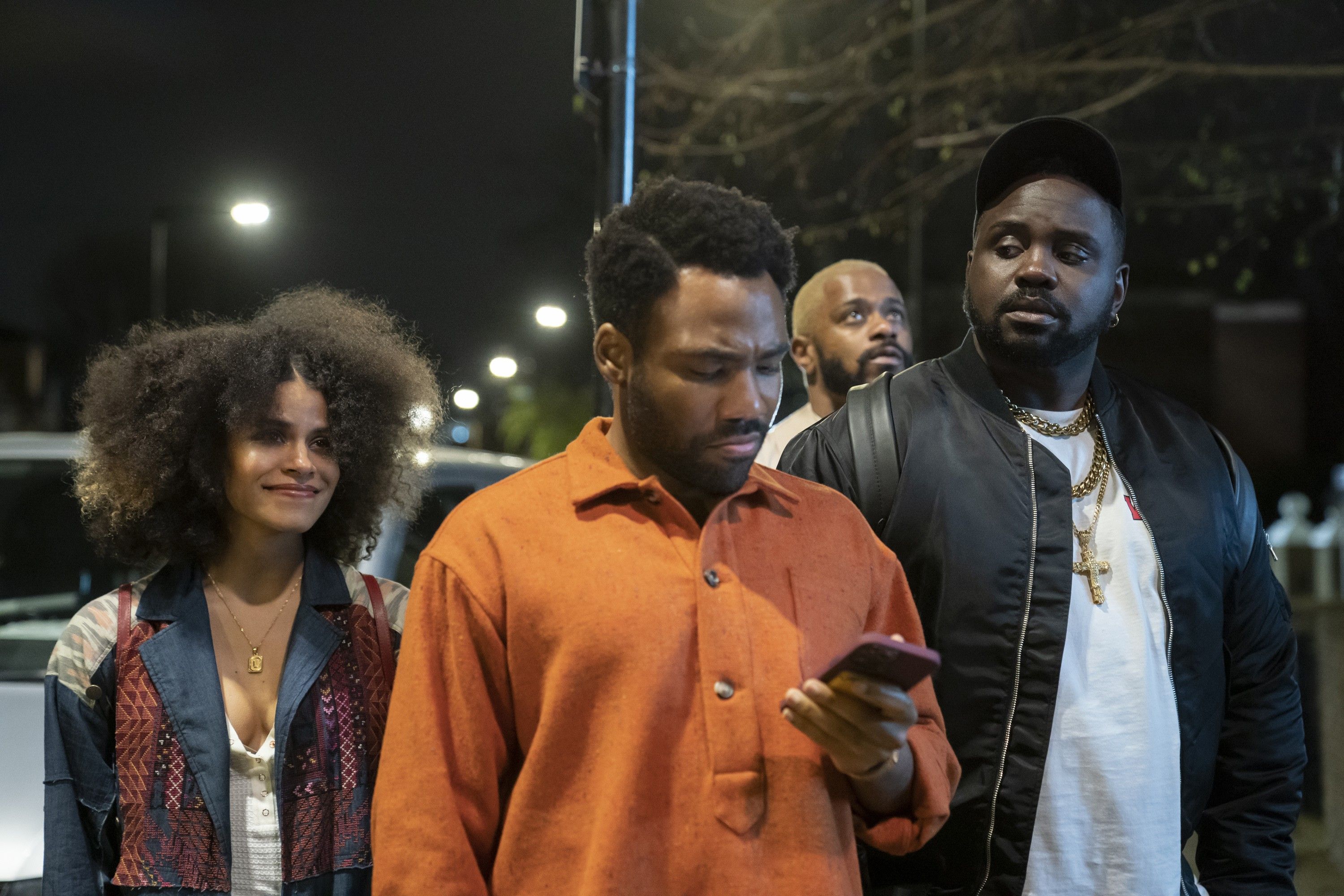
As the final episodes of Atlanta roll out, viewers find themselves entangled in one of the show’s most engaging enigmas: the identity of Wiley. Hiro Murai, the series’ esteemed director and a key creative force, has shed a bit of light on this quirky puzzle, but as with many things in Atlanta, the answer remains elusive.
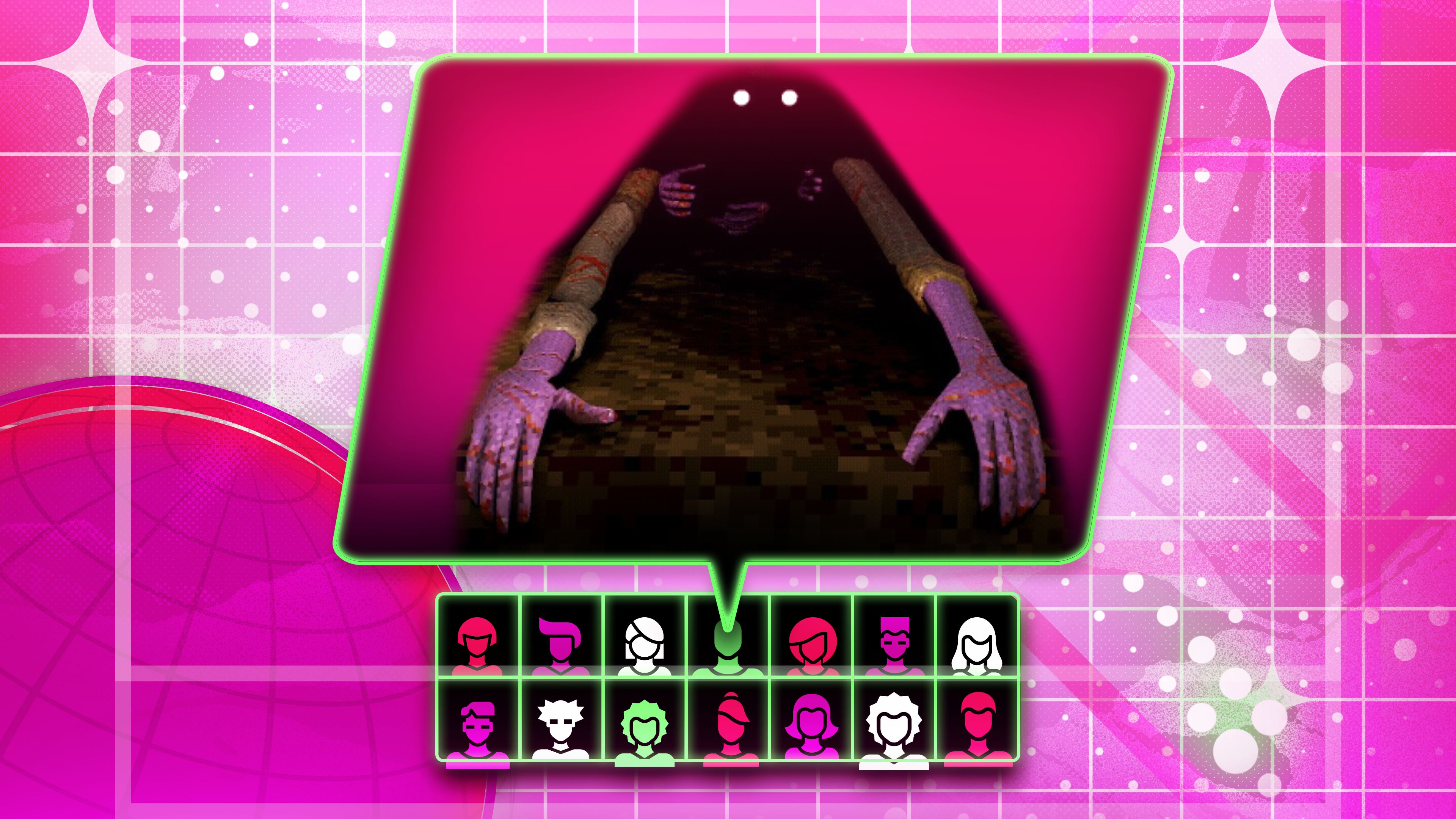
Set against the vibrant backdrop of Atlanta, the series has always danced between outlandish situations and poignant character explorations. Wiley, a character who has loomed in the shadows throughout multiple seasons, embodies that very spirit of surrealism that keeps fans guessing. Is Wiley a figment of imagination, an altruistic specter, or something more grounded? The anticipation surrounding his identity has spilled over into lively online discussions, fan theories, and heated debates about the show’s deeper meanings. It's the kind of ambiguity that breaks the mold of traditional storytelling, ensuring that audiences are not merely passive viewers but active participants engaged in unraveling this mystery.
Murai's commentary offers tantalizing hints without drawing straight lines. In an interview, he expressed that Wiley is meant to serve as a representation of what is accessible yet unreachable, a mirror reflecting the confusion and complexity of life. This aligns perfectly with Atlanta’s thematic playfulness. The show often wrestles with issues of identity and belonging, and Wiley seems like a natural extension of that exploration. However, just when it seems viewers might grasp a concrete understanding, the show pivots, as if to remind us that certainty is often an illusion.
The beauty of this approach is how it resonates with our own quest for meaning in a world that can at times feel chaotic and disjointed. In many ways, Wiley is like a spectral guide, appearing just long enough to provoke thought and stir emotions but disappearing before any conclusions can be drawn. It reflects the nature of existence; the things that often spark our deepest questions are rarely simple or easily defined. So while Murai refrains from providing definitive answers, the intrigue surrounding Wiley grows richer.
Atlanta has always pushed the boundaries of conventional storytelling, and it seems that Wiley is emblematic of the show’s artistic ethos. The series thrives on its unique blend of humor and pathos, navigating through the absurd while still making profound observations about life, society, and personal struggles. Each episode encourages viewers to confront uncomfortable truths while also engaging with the surreal aspects of life, and Wiley is simply another layer in this intricate tapestry.
As the series approaches its conclusion, whether we fully comprehend who or what Wiley is may not even matter as much as the conversations it sparks and the introspection it encourages. Sometimes, the lack of closure and certainty fuels the magic of a story like Atlanta. The lingering presence of Wiley, like a phantom in the mind, might just be the show’s most confident assertion yet—that the questions we have are often just as significant as the answers we seek.
In the end, as viewers, we may find ourselves looking back on Atlanta not just as a series but as an experience, one that ventures boldly into the unknown. The mystique of Wiley is firmly tethered to this exploration, inviting us not just to look for answers but to embrace the uncertainties woven into our own lives. And that, perhaps, is where the true beauty lies.