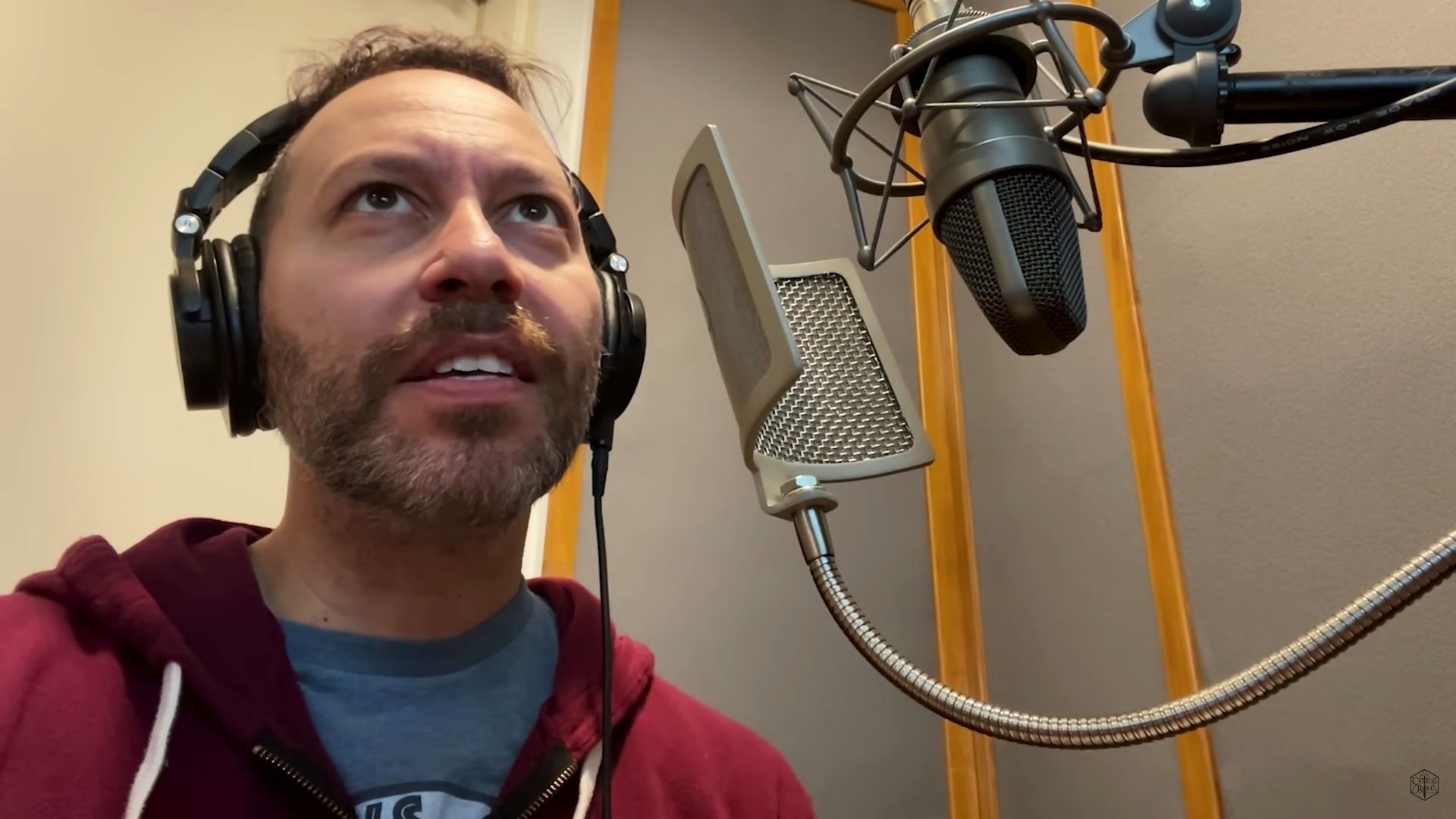
In a world where artificial intelligence is making waves in nearly every creative field, the founders of Critical Role are making a bold stance against the encroachment of AI into the realm of art. The team, renowned for their innovative storytelling and deep character development, recognizes the importance of human creativity as a cornerstone of their success. While some members of the entertainment industry are experimenting with AI as a means to streamline processes or spark new ideas, Critical Role is unwavering in its belief that human artistry should remain at the forefront of creation.
In recent discussions, the company's founders have expressed concern over the implications of using AI in creative pursuits. They view these tools not just as potential enhancements but as threats to the originality and authenticity that human creators bring to the table. This perspective isn't merely rooted in nostalgia; rather, it reflects a deep understanding of what connects audiences to stories. The nuances of human emotion, the subtleties of storytelling, and the organic flow of creativity are not something that can be replicated by lines of code or algorithms.
Critical Role has built its reputation on genuine connections—both among its players and with its audience. The narratives woven in their campaigns are infused with the personal experiences and insights of the creators. To suggest that AI could contribute meaningfully to this deeply human endeavor feels, well, misguided. For them, the act of storytelling is a shared experience that thrives on genuine interaction and emotional investment. When players embark on an adventure together, they bring their individual personalities and creative ideas to the table. This collaboration sparks a magic that no machine can replicate.
The push for human creativity isn't about rejecting technology altogether; rather, it's an invitation to use it as a tool that supports rather than supplants. The founders of Critical Role argue for a balance, advocating for innovation that complements human artistry rather than replacing it. In an industry often driven by trends and technology, this perspective is refreshing and, frankly, necessary.
Their commitment to this philosophy resonates beyond the walls of their studio. Many artists and creators share their concerns about the ramifications of reliance on AI technologies, from the potential erosion of job opportunities to the risk of homogenized content. Artists and creatives thrive on inspiration, and that inspiration is often drawn from the unique tapestry of human experience. When AI starts to take the lead in creative fields, there’s a genuine fear that this diversity will be stifled.
In many ways, Critical Role serves as a beacon for those in the entertainment sector who believe in the power of human creativity. Their insistence on storytelling that is genuine and grounded reminds us all that art is not just a product; it's an experience—one that stems from the collective imagination of individuals rather than the computations of a machine.
As the debate about AI's place in creative industries continues, it’s clear that the commitment to preserving the essence of human artistry stands strong. Critical Role's founders are not just making waves; they’re advocating for a future where creativity remains a deeply personal, shared journey among individuals, unapologetically human in every way. In a time when quick fixes are tempting, it takes courage to champion the value of creativity that arises from our shared experiences and imperfections. And for that, they deserve commendation as we navigate this complex and evolving landscape.