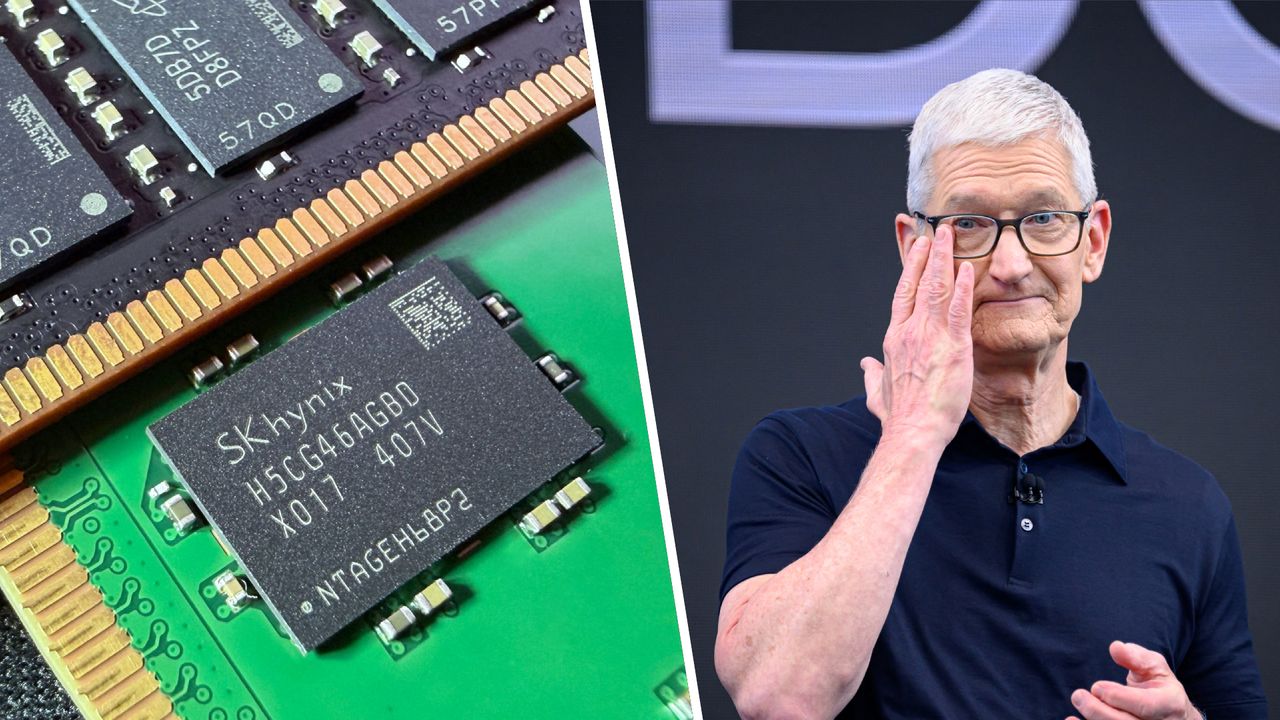
In a recent conversation about the state of the tech industry, Tim Cook made a statement that sent ripples through both the business and gaming communities. The Apple CEO acknowledged what many have been speculating for some time now: price increases in consumer electronics are not just a possibility; they are unavoidable. While Apple has long been a pillar of innovation and premium pricing in the tech world, it seems even the company famous for its solid profit margins is feeling the crunch of rising costs driven by a global memory shortage.
Cook's comments underscore a reality that many gamers and tech enthusiasts have already begun to feel. Video game companies are grappling with a plethora of challenges ranging from semiconductor shortages to logistical hiccups caused by global supply chain disruptions. The gaming landscape has been in flux, as consoles briefly vanished from shelves and game prices edged higher due to these persistent supply issues.
Apple’s admission that it's ready to utilize its substantial financial reserves to help alleviate some of these challenges directly illuminates the current landscape. This isn't just a corporate buzzword; it signifies a proactive approach amid a crisis that could have cascading effects on everything from phone availability to gaming hardware. The implications for the gaming community are particularly profound. If industry giants like Apple are starting to feel the heat, one can only imagine how smaller companies and indie developers will be affected.
The memory shortage, though a broad issue, impacts gaming in an intensely personal way. Higher prices for components lead to increased production costs, which can result in higher prices for gamers when purchasing a new console or upgrading their PCs. The dynamic is complex and multifaceted, but one thing is crystal clear: gamers are facing uncertain times.
Furthermore, as big players like Apple acknowledge the tightrope they have to walk, it raises questions about what the future holds for game development. Will this trigger a shift in how games are priced? Will we see more freemium structures or increased microtransactions as companies look to offset costs? There's a sneaking suspicion among gamers that the days of budget-friendly titles may soon be behind us.
The lasting impact of these challenges could reshape how consumers plan their gaming purchases. Imagine a scenario where the next-gen console you have your eye on comes with a heftier price tag—one that's informed more by the realities of the supply chain than by the innovation it introduces. While Apple has positioned itself as a leader on many fronts, it remains to be seen whether it can successfully steer the ship through these turbulent waters.
There's a certain irony in watching a company that has thrived on premium pricing now grappling with the very issues that have plagued the gaming industry for years. Consumers are often asked to pay up for new features or enhanced experiences. Still, as Cook pointed out, there's a limit to what people are willing to spend. This reality might unify gamers and tech consumers alike, forging a shared understanding of the pressures they face in a world where everything seems to be getting more expensive.
As we traverse this evolving landscape, it’s clear that Tim Cook's remarks aren’t just corporate speak. They signal a critical juncture in the tech and gaming industries where everyone will feel the impact. The conversation has shifted from innovation and creativity to cost management and sustainability, and it’s one we can’t afford to ignore. For gamers, the future remains uncertain, but one thing is for sure—change is coming, whether we’re ready for it or not.