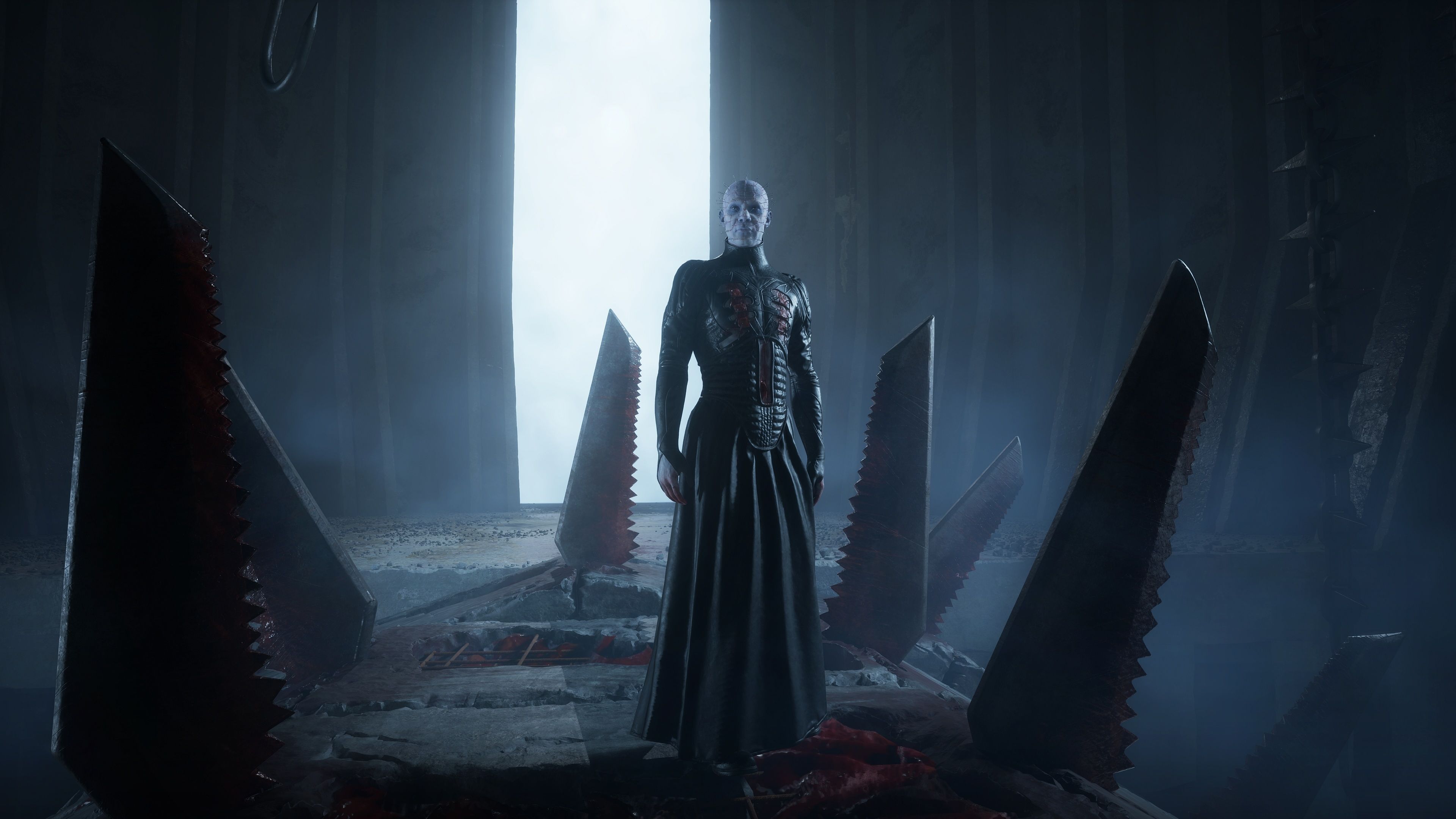
Saber Interactive's latest offering, Clive Barker's Hellraiser: Revival, has set the stage for a fresh take on the long-untouched universe of Hellraiser. In a space often dominated by mediocre adaptations, this game captures the essence of Barker's iconic horror while weaving in gameplay elements reminiscent of BioShock. It’s a union of intricate storytelling and visceral action that reminds players why they loved the franchise in the first place.
From the moment you dive into the game, the atmosphere envelops you. The gloomy, oppressive environments evoke the feel of Barker’s cinematic worlds, laden with a tangible sense of dread. The twisted architecture and grotesque design of the Cenobites instantly transport you into their nightmarish realm. Each location is meticulously crafted, complete with ambient sounds that draw on the unsettling score reminiscent of the original films. The team at Saber has clearly prioritized an immersive experience that serves both fans of the franchise and newcomers alike.
The gameplay mechanics introduce a fascinating blend of exploration and combat. Players will find themselves wielding an array of weapons, each designed not just for efficacy but also to stand out in this dark universe. As you traverse through surreal landscapes, the combat system encourages a dance of violence that feels satisfying and impactful. The controls are fluid, making each encounter with the Cenobites intense without tipping into the realm of frustration. The balance between exploration and action flows seamlessly, drawing players deeper into the chilling narrative.
One of the standout features of Revival is its commitment to storytelling. Instead of relying solely on jump scares or gore, it delves into the psychological aspects of horror that Barker’s work is known for. The narrative unfolds in a way that evokes curiosity and dread in equal measure, compelling players to piece together the larger story while grappling with the horrors presented. The character development, while still a work in progress, hints at complexities that could deepen the player's investment in the tale being told.
Additionally, the design of the Cenobites pays homage to their film counterparts while introducing new elements that fit within the game’s lore. Each encounter feels unique, presenting challenges that require players to adapt strategies on the fly. This engaging enemy design mirrors the unpredictability that made the original Hellraiser films so memorable.
However, it's important to caveat that Revival does not shy away from its brutal nature, embracing the torture and suffering themes that are fundamental to both the series and Barker's signature style. This approach might not resonate with everyone, but for fans craving authenticity, it is a welcome presence.
As the game progresses toward its full release, it manages to instill a sense of hope for both long-time fans and those drawn in by its horrific allure. With the potential for additional story arcs and multiplayer elements, there’s a tangible excitement surrounding how it may evolve. Revival stands as more than just another tie-in; it may indeed be the first truly successful game to capture the spirit of Hellraiser, marrying dread with compelling gameplay.
In a landscape crowded with fleeting horror titles, Saber Interactive has crafted something that could redefine expectations for future adaptations. As I walked away from my hands-on experience, the questions lingered: what new horrors await and how deep does this rabbit hole go? The answer, it seems, is just beginning to unfold.