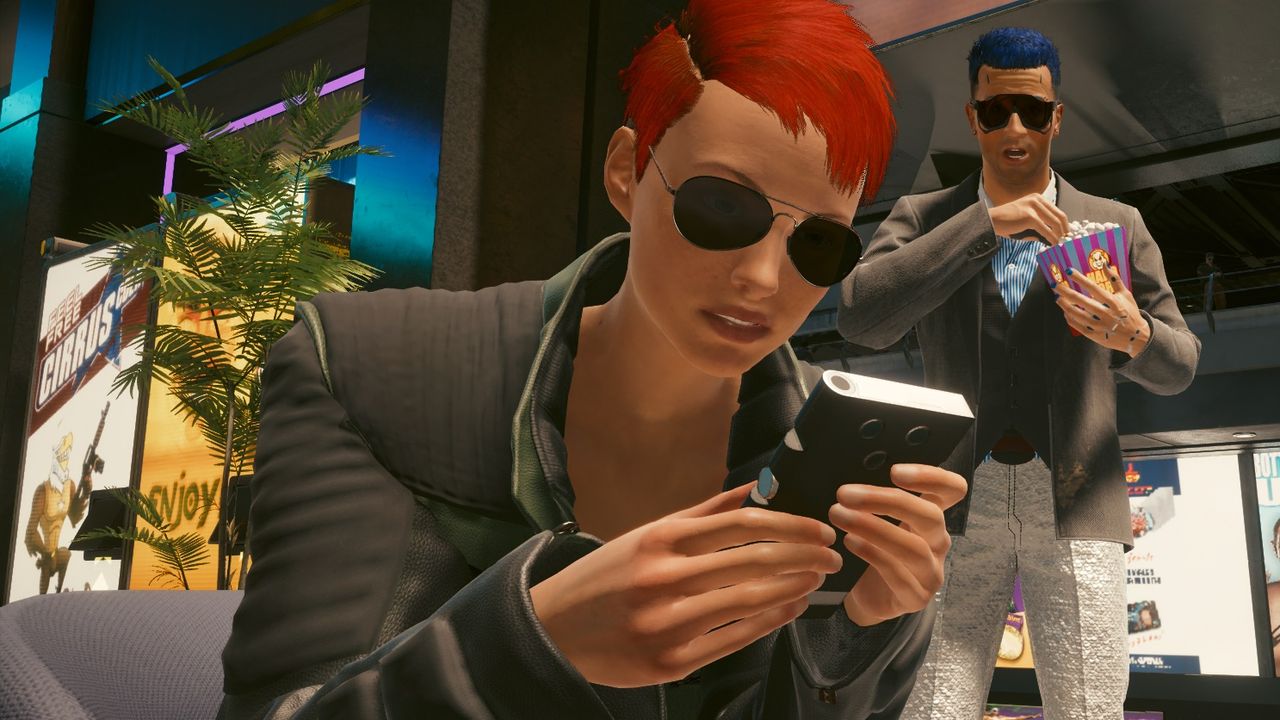
In a recent discussion about the legacy of Cyberpunk 2077, CD Projekt Red's CEO, Adam Kiciński, opened up about the rocky road the studio has traveled since the game's infamous launch in December 2020. It's no secret that the release was nothing short of disastrous; players encountered a myriad of bugs and performance issues that ranged from annoying to game-breaking. This misstep marked a monumental setback for a studio that had long been revered for its meticulous craftsmanship, particularly after the success of The Witcher 3.
Now, while Kiciński expresses a certain degree of optimism about the strides they've made in rehabilitating the game's image, he admits that the scars left by that tumultuous launch might not heal for some fans. There’s a palpable sense of loss lingering in his words as he reflects on the experience. He feels that parts of the community that once stood behind them may never fully return, emphasizing how this rocky start has irrevocably altered the relationship between CD Projekt Red and its audience.
Many in the industry have scrutinized the studio’s handling of this situation, and rightly so. The ambitious vision for Cyberpunk 2077 was met with a reality that many players couldn’t ignore—performance on last-gen consoles was nothing short of unacceptable. With such high expectations set by prior successes, the letdown was particularly stinging. It's a situation that led to refunds being issued and the game's temporary removal from the PlayStation Store. Such turmoil is usually a death knell for a franchise, but Kiciński seems hopeful that they found a way back, albeit with some reservations.
Even as they rolled out significant patches and expansions, the question of redemption lingers. Kiciński himself admits that while there’s been progress, he isn’t sure they’ve absolutely completed the redemption arc. This added layer feels crucial; it showcases the duality of public perception in the gaming community. There are those who have embraced the upcoming content, diving back into Night City with a renewed sense of adventure. Yet others remain skeptical, reluctant to invest time and emotion into a title that once let them down spectacularly.
This isn’t merely about a game; it reflects the broader discourse on trust in the gaming industry. Fans grow increasingly wary of what companies promise versus what they deliver, and Cyberpunk 2077 is now a key case study in this ongoing saga. The barriers erected due to that initial failure are substantial. CD Projekt Red, known for its player-centric philosophy, now has the challenge of re-establishing that connection with a disillusioned base.
The road to recovery is seldom straightforward. With the recent announcements surrounding new expansions and future updates, the studio seems intent on making amends, even if they proceed with a cautious optimism. It's a testament to their resolve, but as Kiciński rightly acknowledges, some relationships may never return to what they once were. Trust, once broken, requires more than just good intentions to mend.
As the dust continues to settle, it’s clear that Cyberpunk 2077 will forever be a defining chapter in the narrative of CD Projekt Red. For those willing to take the plunge back into its neon glow, the potential for a richer experience exists. But, for others, the specter of that launch still looms large, reminding everyone in the industry about the fine line between ambition and execution. The journey ahead is sure to be watched closely, as both fans and critics alike decipher whether the lessons learned will yield a brighter future for CD Projekt Red.