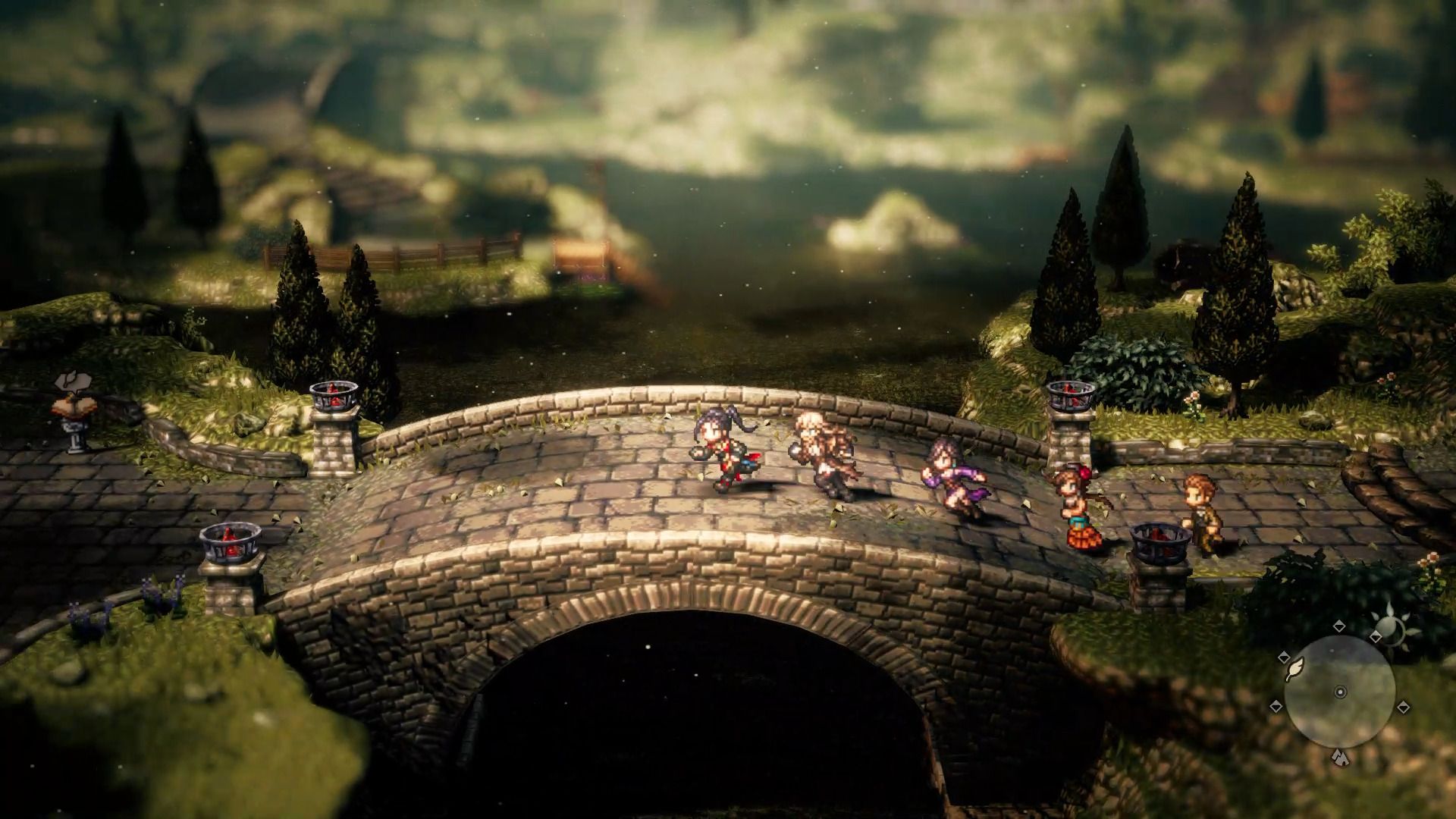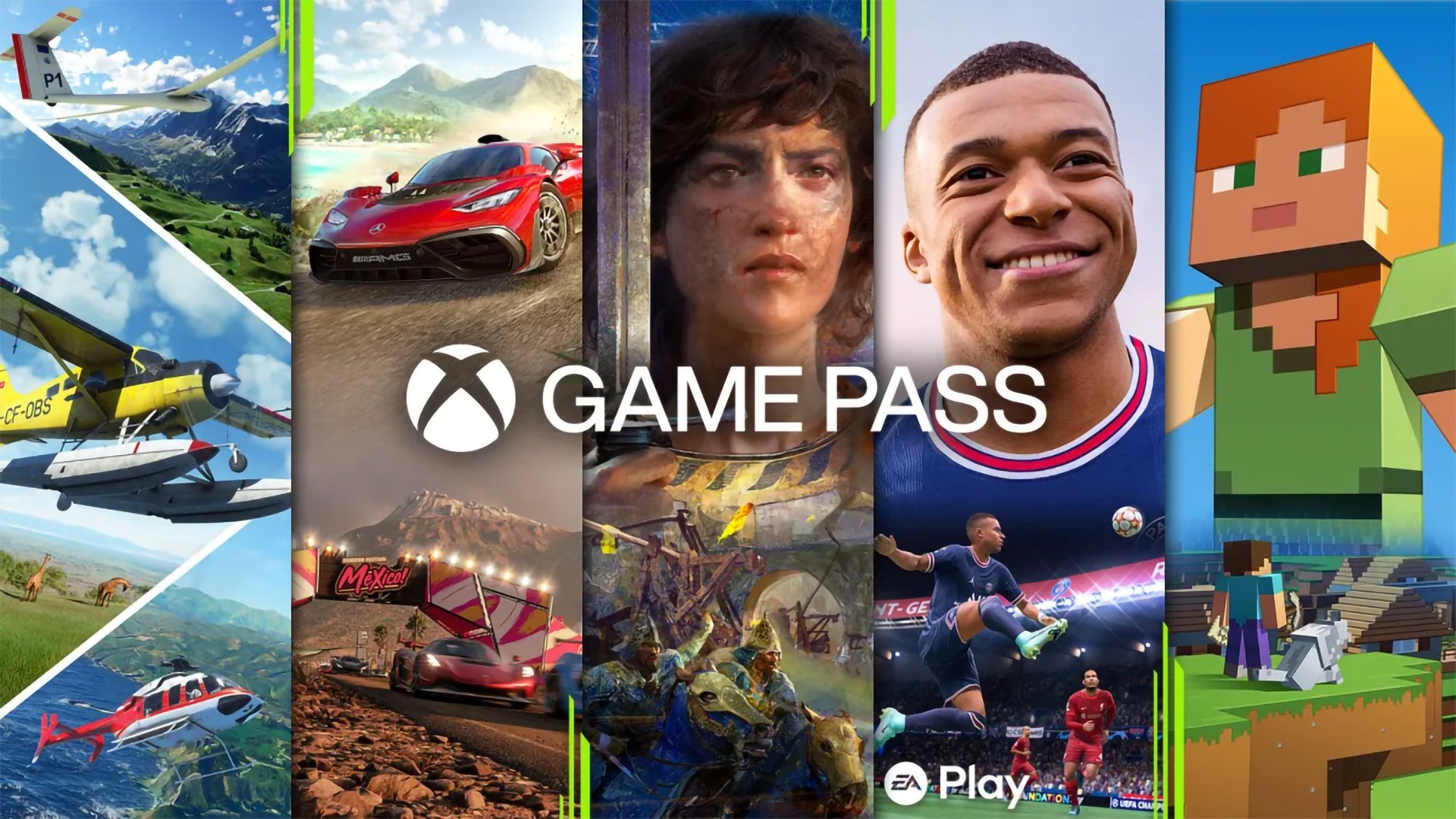
In a recent discussion that’s sure to stir the pot, Thomas Mahler, CEO of Moon Studios and the creative mind behind the beloved Ori series, shared some candid thoughts on Xbox Game Pass and its potential. Mahler, whose studio has been a shining example of high-quality indie development, expressed his view that Game Pass could have truly thrived if Xbox had been more strategic with its content delivery.
It’s no secret that Game Pass has revolutionized the way players access and engage with games. The subscription service offered by Microsoft has amassed a vast library that includes a diverse range of titles, appealing to gamers of all tastes. However, Mahler argues that Microsoft has diluted this potential by allowing a stream of mediocre games to flood the platform. He pointed out that the service's reputation relies heavily on quality over quantity, and right now, too much of what is available lacks that crucial spark.
You can’t help but see the logic in his argument. When players subscribe to a service like Game Pass, they expect a selection of standout titles that they can’t get anywhere else. The excitement of having a treasure trove of games at one’s fingertips is diminished when too many of those options feel uninspired or lackluster. The gaming landscape is particularly competitive, and as more studios enter the fray, players are becoming increasingly discerning about where they spend their time and money.
Mahler's perspective is particularly poignant when considering the changing dynamics of the industry. We’ve seen the rise of indie games making waves alongside massive AAA titles. Players are often drawn to unique experiences, stories, and art styles that can’t be found in cookie-cutter releases. In that light, delivering consistently high-quality content shouldn’t just be a goal—it should be the standard. With the expectation for innovation and creativity rising, the risk of becoming overly reliant on generic releases is greater than ever.
The success stories of games like Ori and the Will of the Wisps highlight what’s possible when passion and artistry are at the forefront. These titles stand out not merely for their visuals or gameplay mechanics but for their emotional depth and storytelling. It’s this kind of forging of connections through art that players come back for.
As Moon Studios continues to work on its next project, Mahler’s comments prompt a larger conversation about the responsibilities of big publishers in a service-oriented ecosystem. If Game Pass is to maintain its allure and continue attracting new subscribers, Microsoft would do well to prioritize the curation of its game offerings. Balancing breadth with depth is no easy feat, but with such a robust framework in place, the potential for a curated experience is boundless.
Perhaps this latest commentary from Mahler will serve as a wake-up call for industry giants. The gaming community is eager for content that leaves a mark rather than simply filling a gap. After all, in this age of rapid-fire releases and constant competition, every player is looking for that elusive next big experience. If Game Pass can harness the lessons of quality that Mahler advocates, who knows how high it can soar? With thoughtful content and a commitment to excellence, the service could not only survive but thrive, setting a new standard in an ever-evolving gaming world.