As the gaming landscape continues to evolve, the infusion of AI into development processes has become increasingly commonplace. Michał Nowakowski, joint CEO of CD Projekt, the studio behind the beloved Witcher franchise, recently expressed his firm belief that a wave of games entirely crafted using generative AI is on the horizon. While the potential for transformative change in game development is thrilling, Nowakowski’s skepticism about the viability of this approach opens an important dialogue about the future of creativity in gaming.
Nowakowski's comments come at a pivotal moment—one where studios are grappling with the implications of generative AI. It’s clear that technology has the potential to elevate the industry, promising efficiency and innovation. However, there remains a nagging question: is relinquishing creative control to algorithms really the right path forward? CD Projekt, known for its narrative-driven approach and deep character development, has always prioritized storytelling. The concern is that reliance on AI could dilute that essence, leading to experiences that feel formulaic and devoid of the human touch that players have come to cherish.
The excitement surrounding AI-generated content is palpable. From lush environments to intricate character designs, the possibilities seem endless. However, the greater question remains—we must consider whether these advancements enhance the player experience or simply replace the nuanced artistry that defines gaming. There’s a fine line between embracing technology and allowing it to overshadow the heart and soul of game design.
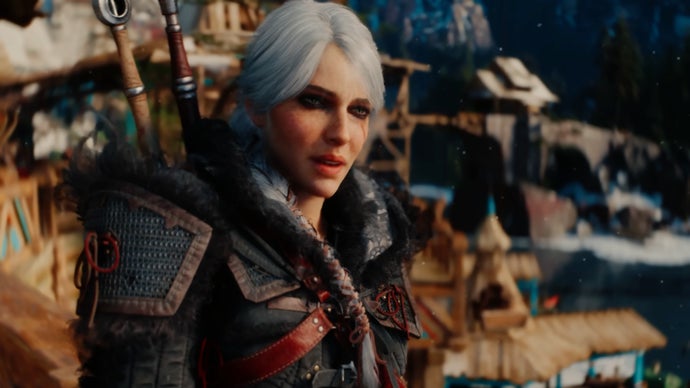
What makes games like The Witcher 3 resonate so deeply with players is not just their stunning graphics or expansive worlds but the carefully woven narratives and complex characters that players connect with on an emotional level. It’s a challenge to see how generative AI can replicate that intricate storytelling without losing the essence that makes these experiences memorable.
Nowakowski’s doubts about the road ahead suggest a conscious decision to tread lightly. There is an understanding that technology should serve as a tool to enhance human creativity rather than supplant it. This philosophy encourages a balanced collaboration between developers and AI, allowing for innovation without compromising the core values that define great storytelling.
As we stand at the threshold of this technological shift, it’s essential for developers to maintain a dialogue about what creativity means in this new era. The gaming community has a vested interest in ensuring that the next generation of games prioritizes authentic storytelling and rich character development. While the allure of generative AI is undeniable, it’s crucial to remember why we play games in the first place: the connection to the stories they tell and the worlds they create.
As the industry moves forward, players will be watching closely. It will be fascinating to see how studios like CD Projekt balance these advancements with their creative integrity. Perhaps, instead of viewing AI as a replacement, we can embrace it as an ally in the quest for compelling narratives and engaging gameplay. What is clear, however, is that as exciting as the future of game development may be, it’s vital to hold onto the human element that has always made games so captivating.