In the vibrant world of gaming, some stories slip through the cracks, but the journey of Guild Wars offers a fascinating lens into the evolution of MMOs. Back in 2005, while many developers were riding the wave of massively multiplayer online games, the creators of Guild Wars were boldly stepping aside from the conventional mold. Their aim was not merely to create another mindless grind through endless quests and sprawling landscapes. Instead, they sought to carve out a unique niche, one that challenged the established norms of what an MMO could be.
The team at ArenaNet was keenly aware of the pitfalls that came with MMO branding. Their vision was clear: they wanted to foster an experience that drew players in without the incessant need for grinding, a common complaint echoed by many in the gaming community. They envisioned a game that emphasized storytelling, player choice, and community, rather than getting lost in a sea of repetitive tasks. Looking back, it's almost prophetic how many of their ideas would eventually become genre staples two decades later.
They prioritized accessibility and instilled a sense of progression that wasn’t solely reliant on the endless rat race for levels and gear. The innovative instance-based gameplay they introduced not only minimized downtime but also forged a more guided path through the adventure. Players could dive into their quests without the fear of being bogged down by endless farming, a fate that too often marred many other titles. With their eye on a streamlined experience, the developers aimed to cultivate a different kind of excitement, one that didn’t tether players to the grind.
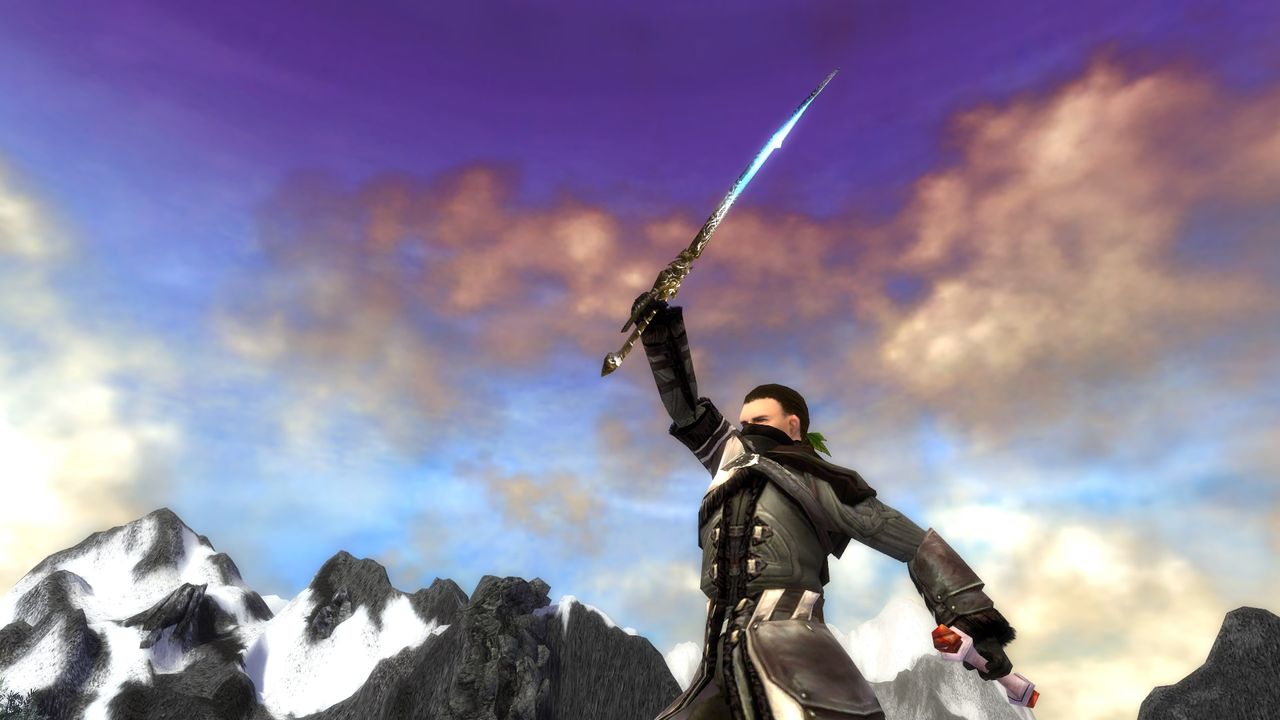
The game’s aesthetics, too, deserve a moment of appreciation. Guild Wars embraced an art style that felt both expansive and intimate. The wide-open landscapes contrasted beautifully with the intricacies of its towns and cities, creating spaces that felt alive and full of potential. This deliberate attention to detail drew players deeper into a world that seemed flexible enough to accommodate both solo adventures and spirited group quests.
Critically, ArenaNet understood the need for a robust multiplayer experience. They introduced cooperative gameplay that allowed friends to band together without interruption. The social aspects of Guild Wars stood in stark contrast to many contemporaries that often felt sterile and disconnected. The game forged connections through shared experiences. Indeed, it became a breeding ground for friendships that transcended the confines of the screen, something many players cherish to this day.
Interestingly, while ArenaNet was severing ties with traditional MMO tropes, they were also paving the way for the future. Though Guild Wars may not have been labeled an MMO in the traditional sense, it laid the groundwork for countless other titles. The shift towards player-centered design was a concept that seemed almost daring at the time.
Fast forward to today, and it is clear that many of those early Guild Wars principles resonate throughout the industry. Games now often prioritize engaging narratives and innovative systems that lend themselves to a more fulfilling player experience. The concepts that once seemed avant-garde are now celebrated as cornerstones of modern design.
Guild Wars was not just a game; it was a statement about what MMOs could and should aspire to be. In arguably sidestepping the formula of its contemporaries, ArenaNet opened the door for future explorations across the genre. Looking back, it is remarkable how their vision has shaped the landscape of gaming for decades. As players, we owe a nod to that audacious ambition, for it echoes in so many of the engaging worlds we explore today.