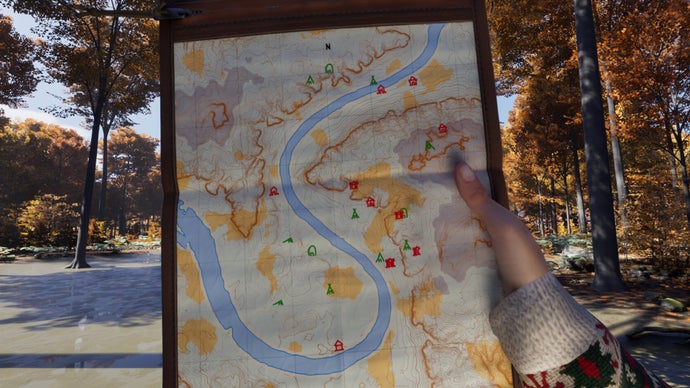
Brendan Greene, the visionary behind the battle royale phenomenon PUBG and the ambitious Prologue: Go Wayback!, is at a pivotal moment in his career. Recently, he announced that his studio, PlayerUnknown Productions, is scaling down, a decision largely driven by challenges in securing the necessary funding to propel their innovative game concept forward. Greene expressed his gratitude for the dedication and professionalism exhibited by his team, acknowledging that they were instrumental during these turbulent times.
Prologue: Go Wayback! was initially met with intrigue and excitement. The project promised to offer a captivating experience, delving into Greene's signature storytelling style while blending immersive gameplay mechanics. However, the quest for funding has proven to be a significant hurdle. The gaming landscape has evolved rapidly, with countless creators vying for the attention and finances of investors. In this fiercely competitive environment, even seasoned developers can find themselves struggling.
Greene's decision to move ahead with a leaner team is not merely about financial constraints; it speaks volumes about the realities of game development today. Many in the industry know that a smaller team can often be more agile, allowing for quicker decision-making and a more focused approach. This move suggests Greene is keen on aligning his studio's vision with a practical framework, adapting to the economic currents that have swept through independent game development.
In a world buzzing with triple-A blockbusters and massive marketing campaigns, PlayerUnknown Productions' story offers a refreshing counter-narrative. Greene is no stranger to the industry's volatile nature. The success of PUBG may have catapulted him into the limelight, but it also came with expectations, pressure, and the weight of anticipations tethered to his next big project. The shift to a smaller team might be seen as a retreat but could instead represent a strategic pivot toward innovation, creativity, and authenticity—qualities that have often been overshadowed in larger productions.
While funding is often a critical lifeline for projects, the challenge also serves as an invitation to engage with the community more deeply. Players today are eager to support games that resonate with them emotionally and narratively. Greene's reputation and prior successes mean that he still retains a loyal following, one that is likely to rally around his efforts to bring Prologue to fruition, even if that path looks different now.
PlayerUnknown Productions' journey is far from over, and while the team may be smaller, the ambition remains. This contraction may herald a renaissance of sorts—an opportunity to revisit the core of what makes Greene's work resonate. After all, video games are at their best when they come from a place of genuine passion and innovative spirit, free from the traditional constraints that often bind bigger entities.
As we look ahead, it will be fascinating to see how Greene navigates this new chapter. Will Prologue: Go Wayback! evolve into the groundbreaking experience fans are hoping for? The answer isn’t certain, but one thing is clear: in this unpredictable industry, sometimes a step back can pave the way for a leap forward. Greene’s ability to adapt to changing circumstances may well define the next stage of his creative journey, and players will undoubtedly be watching closely.