A year ago, Netflix and Sony Animation unleashed KPop Demon Hunters, and it didn't just make waves; it created a tidal wave of enthusiasm that swept across audiences of all ages. This animated series surprised many, igniting a passion that seemed to transcend cultural boundaries. It’s a rare achievement when a show can resonate so powerfully with a diverse range of viewers, but KPop Demon Hunters did just that.
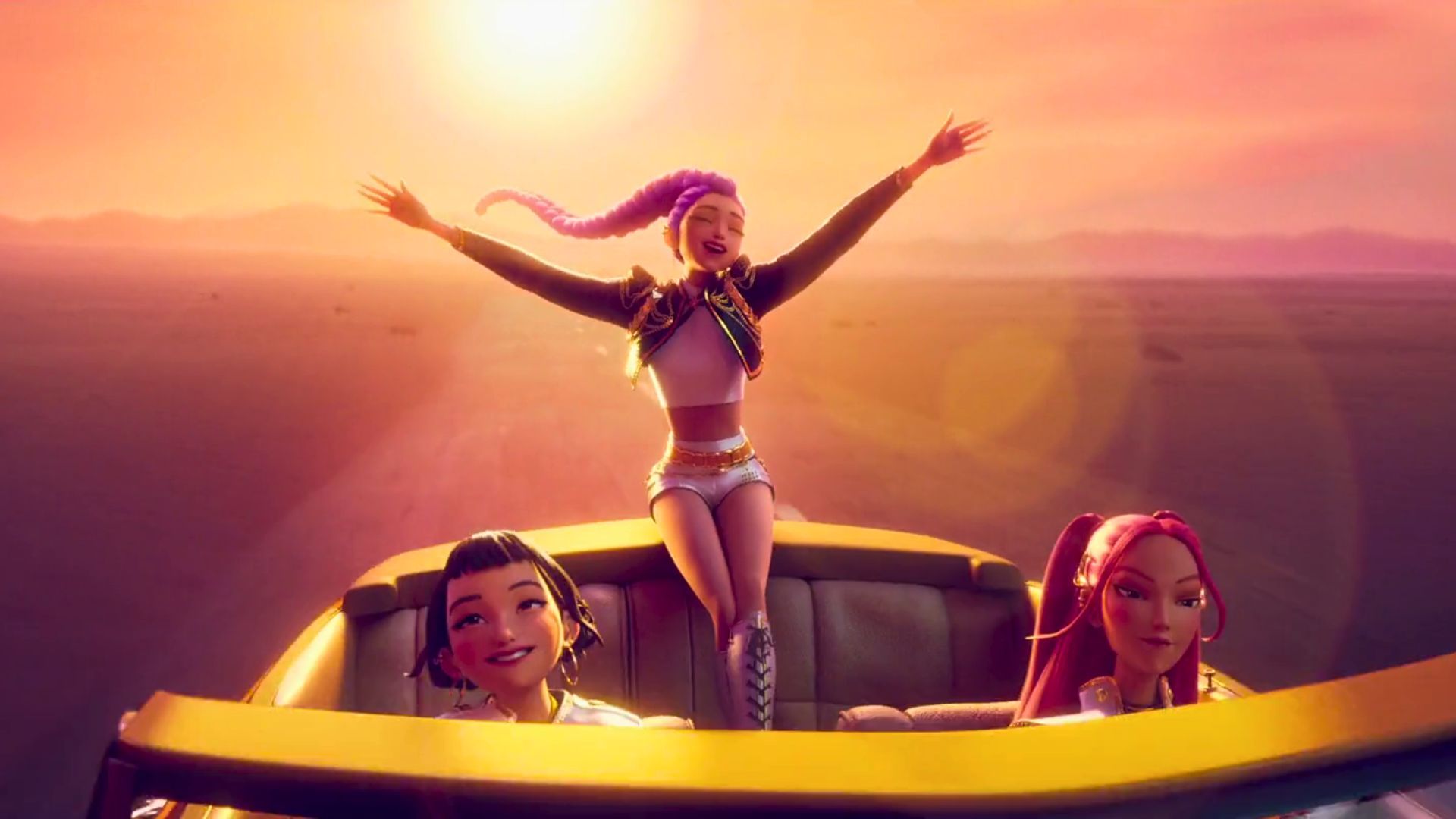
At its core, KPop Demon Hunters marries the electrifying world of K-pop with supernatural themes, crafting a narrative that appeals to both the musical enthusiasts and the fantasy aficionados. The character designs leap off the screen, infused with vibrant colors and distinct aesthetics that echo the flamboyant style of K-pop idols. It's like a music video exploded into a story, and the result is nothing short of mesmerizing. The show captured the frenetic energy of a live concert while threading in thrilling battles against otherworldly foes.
The soundtrack, an essential component of the experience, boasts catchy tunes that blend K-pop beats with instrumental flair befitting its dark and fantastical setting. These songs don't merely serve as background music; they propel the storyline forward, becoming a part of the character arcs themselves. When the protagonists unleash their powers in dramatic encounters, it’s not just their moves that impress; the music amplifies every punch and every spell cast, binding the visuals and the audio in a harmonious dance.
The series is also notable for embracing themes of friendship, identity, and perseverance. While there's plenty of high-energy action, the emotional moments resonate deeply, making the characters feel real and relatable. Viewers become invested in their journeys, celebrating their victories and mourning their losses as if they were friends. This connection is particularly important in a time when many crave narratives that offer both escapism and profound emotional truths.
KPop Demon Hunters cleverly taps into the global phenomenon that is K-pop, reflecting how this genre has become a cultural touchstone beyond its South Korean roots. The show serves as a love letter to the genre while also expanding its narrative canvas, showcasing how music can be a form of expression capable of uniting disparate worlds. As it gained momentum, social media lit up with fan art, memes, and heated discussions, further solidifying the community of fans who found a voice in the show.
What’s perhaps most impressive is how the production company managed to capture the essence of K-pop without falling into stereotypes. The characters are nuanced, each representing different aspects of the music culture while breaking free from the confines of cliché. Viewers see characters who are not just archetypes but vivid representations of diverse backgrounds and personal stories, which adds richness to the narrative tapestry.
Reflecting on its journey, KPop Demon Hunters has undoubtedly set a benchmark in blending genres, exploring new ways to tell stories that resonate with a global audience. It doesn’t just entertain; it inspires, invigorating viewers to connect more deeply with the elements they love.
As we celebrate the one-year anniversary of this groundbreaking series, it’s clear that KPop Demon Hunters will remain a beloved fixture in the hearts of its fans, serving as a reminder of the power of animation to bring people together through a universal language: music. Whether you’re dancing to its beats or caught up in its enchanting story, this series perfectly exemplifies why we watch and why we feel so deeply connected to the tales that unfold before us on screen.