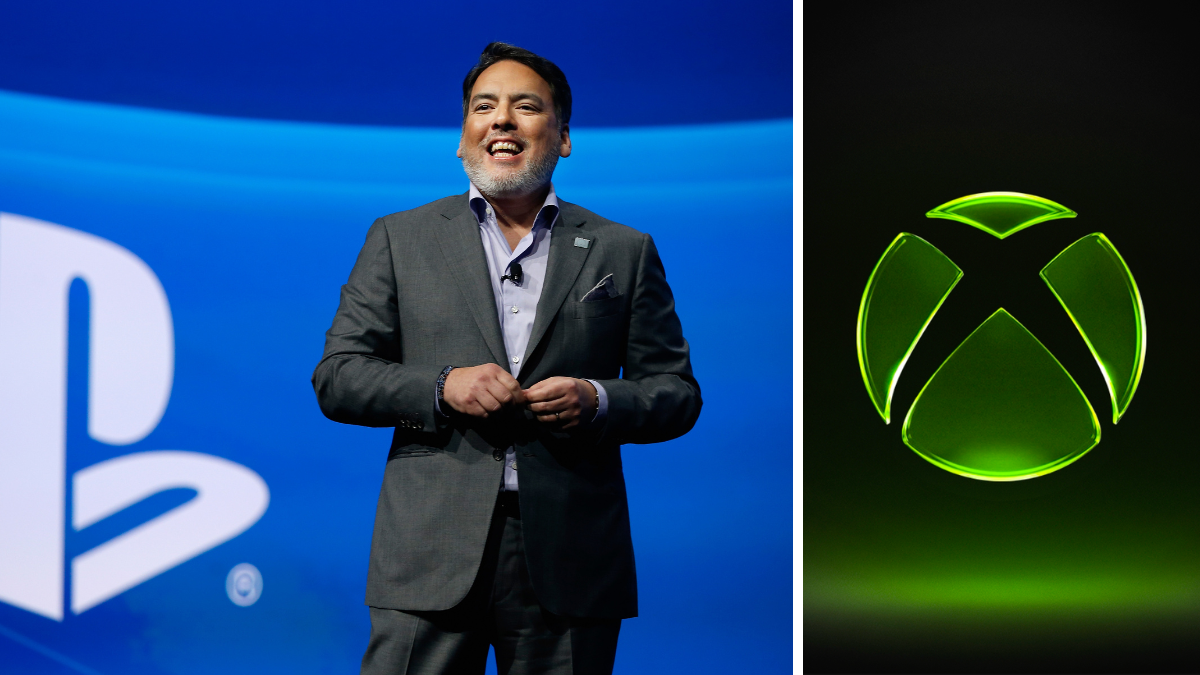
The ongoing tussle between gaming giants has spilled out of the usual arenas and into the professional realm, with former PlayStation executives weighing in on Xbox's latest strategies. Recently, a prominent figure from the PlayStation camp expressed a rather critical viewpoint, suggesting that Xbox is grappling with a fundamental misapprehension regarding the ever-evolving landscape of interactive entertainment. This insight doesn't just reflect old rivalries; it captures a shifting tide in how these two behemoths approach the market.
The gaming industry, with its intricate dance of innovation, player engagement, and community building, demands more than just a business-savvy approach. It's about understanding the desires of an ever-changing audience. Xbox, under the leadership of Phil Spencer, has made strides with subscription models and cloud gaming strategies, but according to some, these tactics might not resonate with gamers in the way the company hopes. This former executive’s remarks hint at a disconnect—a failure to recognize that today's gamers crave more than just access to a library of titles.
While Xbox has been pushing its Game Pass subscription service as a revolutionary way to experience games, critics argue that simply amassing a vast catalog of titles isn’t enough. The essence of gaming goes beyond mere numbers. It’s about the connections players forge, the stories they engage with, and the communities they build. A robust gaming experience must capture the imagination, not just provide convenience. It seems that some in the industry believe that Xbox is focusing too much on the mechanics of access and not enough on crafting compelling and engaging experiences.
The console wars, traditionally fought in living rooms and online forums, are now spilling into the professional arena, fueling discussions on platforms like LinkedIn. This is indicative of how intertwined business strategies have become with social perception. If someone with years of experience in the industry feels the need to voice concerns publicly, it signals that there are deeper issues at play.
Moreover, as Xbox pushes forward, it is evident that the competition is not merely about hardware and exclusive titles anymore. PlayStation has carved out a reputation for delivering unparalleled single-player narratives and emotional depth in its games. The former executive’s critique implies that the heart of what makes gaming significant is being sidelined in favor of a numbers game, seeking quantity over quality.
As we observe this dynamic, it becomes clear that future strategies will have to embrace a more nuanced understanding of player engagement. The innovations in technology, such as virtual reality and augmented reality, have the potential to transform how stories are told in gaming. However, it’s crucial for all players in this space to remember the fundamental truths of the medium—that it is meant to be an immersive and transformative experience.
In a world where gamers have ever-increasing choices, the call for authentic, emotionally resonant experiences has never been louder. As discussions continue, both industry giants might benefit from looking beyond their respective strategies and recognizing what truly resonates with players. It is about crafting experiences that captivate, rather than simply capitalizing on the latest trends or technologies. The battle lines may be drawn, but the real winner will always be the gamers who seek connection and adventure in worlds crafted with care.