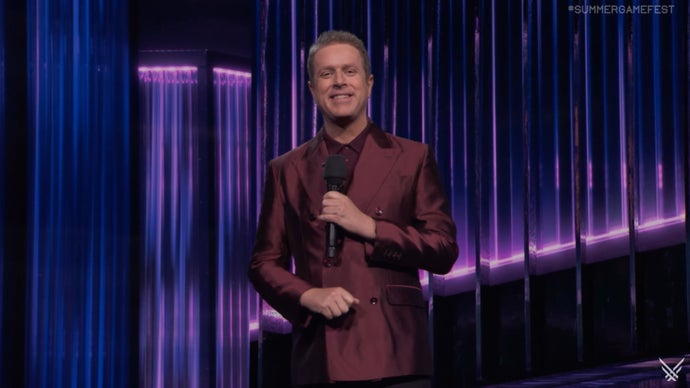
The excitement surrounding the Summer Game Fest is palpable each year, with studios unveiling their newest projects to a eager audience. However, beneath the dazzling trailers and enthusiastic reveals lies a troubling trend that's hard to ignore. Surprisingly, many games showcased at events like SGF seem to falter spectacularly once they reach the launch pad. It's almost shocking to witness just how many of these titles grapple with their release strategies, rendering the mouthwatering anticipation into disappointment.
The buzz and spectacle of the festival usually paint an optimistic picture, setting the stage for great expectations. But as we navigate through the months following the announcements, a stark reality emerges. For all the hype generated on that grand stage, the subsequent follow-ups often lack the same vigor and enthusiasm. It’s as if studios have poured all their energy into the initial reveal, believing that the magic of that moment is enough to carry a game through to launch. Sadly, this couldn’t be further from the truth.
What’s particularly frustrating is the disconnect between the excitement generated and the reality of the product being delivered. Many developers seem to treat the announcement as the finish line, when in fact, it should be seen as merely the starting point of a marathon. Crafting a memorable game isn't just about having a catchy trailer or striking graphics. It’s about engaging with the player base, addressing their concerns, and fostering a community that feels valued. When those elements are neglected, the games that could have been great often end up being plagued by bugs, lackluster content, or misguided monetization strategies.
Take a moment to examine some of the titles that made headlines but stumbled upon release. The allure of a beautifully crafted reveal often masks deeper issues that may remain unaddressed until it's too late. Instead of the polished, expertly curated experiences hyped during the presentations, players are met with a series of frustrating setbacks that ultimately sour the experience. Unfortunately, this phenomenon isn't just a one-off; it appears to be a trend that continues to haunt the industry.
What's particularly disheartening is that this isn't just about creation and announcement; it points to a larger conversation about marketing strategies within the gaming industry. Developers and publishers seem to be living in their own bubble, one that pressures them into overpromising while underdelivering. The voices of fans often get drowned out in the chaos of pre-launch excitement, which leaves us questioning how well studios are truly listening.
This dissonance isn't merely a coincidence. It speaks to an unsustainable cycle that prioritizes flash over substance, where announcements become the end goal rather than the foundation of a long-term engagement strategy. The lack of effective communication and transparency tarnishes the relationship between gamers and developers, leading to a scenario where disappointment reigns supreme when the curtain finally lifts on a much-anticipated title.
In a landscape where one in three newly revealed games struggles to find its footing at launch, it's time for a shift in mindset. Game development should not be a sprint to the finish line after the glitz of an announcement. It should be a holistic approach that embraces the entire lifecycle, nurturing relationships with the player community long after the initial hype has faded. The glimmer of excitement is just the beginning, and it’s about time developers recognized that sustaining that passion means prioritizing the journey over the destination.