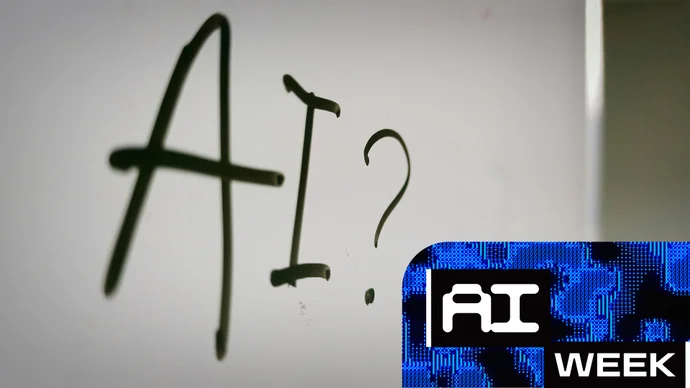
As the gaming industry continues to evolve, the role of artificial intelligence in game development is becoming an increasingly hot topic. AI isn’t just a buzzword anymore; it’s a tangible force reshaping the way games are designed, developed, and played. Developers are harnessing AI to tackle complex problems, streamline workflows, and even enhance player experiences.
Imagine AI-driven tools that can assist artists in creating stunning visuals or that allow designers to prototype levels at a lightning-fast pace. The potential is enormous, with machine learning algorithms analyzing player behavior to offer personalized gameplay experiences. This could lead to more engaging narratives where choices feel genuinely impactful, adapting to how players interact with the story.
AI’s impact isn’t limited to the creative side of development. It is reshaping testing and quality assurance as well. Automated bots can simulate thousands of hours of gameplay, identifying bugs and issues that human testers might miss. This not only speeds up development but also allows teams to focus on the more creative aspects of building a game.
There are also ethical considerations to keep in mind. The rise of AI in gaming raises questions about job displacement and the integrity of creative fields. Many industry veterans are hopeful that AI will complement human creativity rather than replace it. The seamless blend of artificial intelligence with human touch could very well be the key to creating the next generation of groundbreaking games.
As we look ahead, it’s clear that AI will find its place in the game development ecosystem, but its long-term impact is up for debate. Will it become an indispensable team member or remain a powerful tool with nuances that only human developers can navigate? Either way, as AI technologies continue to mature, the gaming landscape we once knew is bound to transform in profound and fascinating ways.
Source: gamesindustry.biz