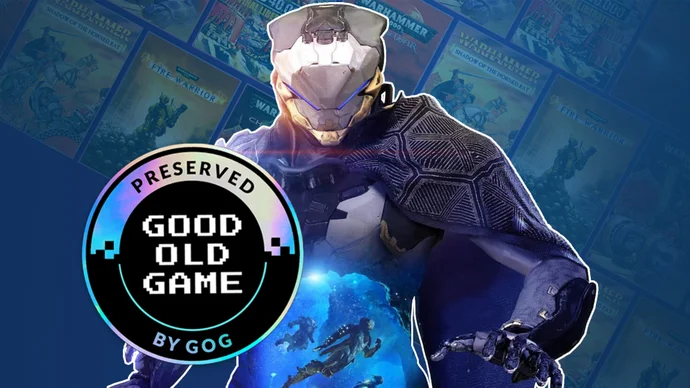
As Anthem’s servers finally flicker out, the industry is once again reminded of a tough question: what makes a fair lifespan for an online game? GOG, the Polish digital storefront known for breathing new life into classic single-player titles, finds itself facing a fresh and complex challenge. For nearly two decades, GOG has specialized in rescuing games that time and tech have left behind, turning experiences designed for older machines into accessible treasures on modern systems. But multiplayer games don’t age the same way. When their servers shut down, much of their experience vanishes, and preserving them is far less straightforward.
GOG’s history in restoration gives it a unique perspective on this. Their early focus was on single-player games tied to software and hardware now obsolete, but the catalogue has naturally evolved. Many of the offerings that now count as classics were once contemporary releases, dependent on online services to connect players. The question of how to preserve these moments—where gameplay hinges on community and connectivity—is no longer academic. It’s a real and pressing riddle.
Anthem’s shutdown is just the latest example highlighting how multiplayer games straddle the line between entertainment and ephemeral service. Unlike a single-player game, you can’t simply repackage it, patch it, and expect it to run like it once did. Without active servers or a persistent online community, the game loses much of what made it meaningful. For companies like GOG, accustomed to preserving timeless game content, this presents a fundamentally different problem.
The broader discussion around multiplayer game preservation reflects a growing awareness that gaming culture involves more than software files. It is woven through interactions, shared experiences, and the servers that enable them. As these worlds go dark, industry and preservationists must grapple with how to honor that legacy fairly. GOG’s willingness to engage with this complex and evolving issue signals a recognition that the future of game preservation may rely on new tools, new approaches, and perhaps a reevaluation of what it really means to keep games alive.
Source: eurogamer.net