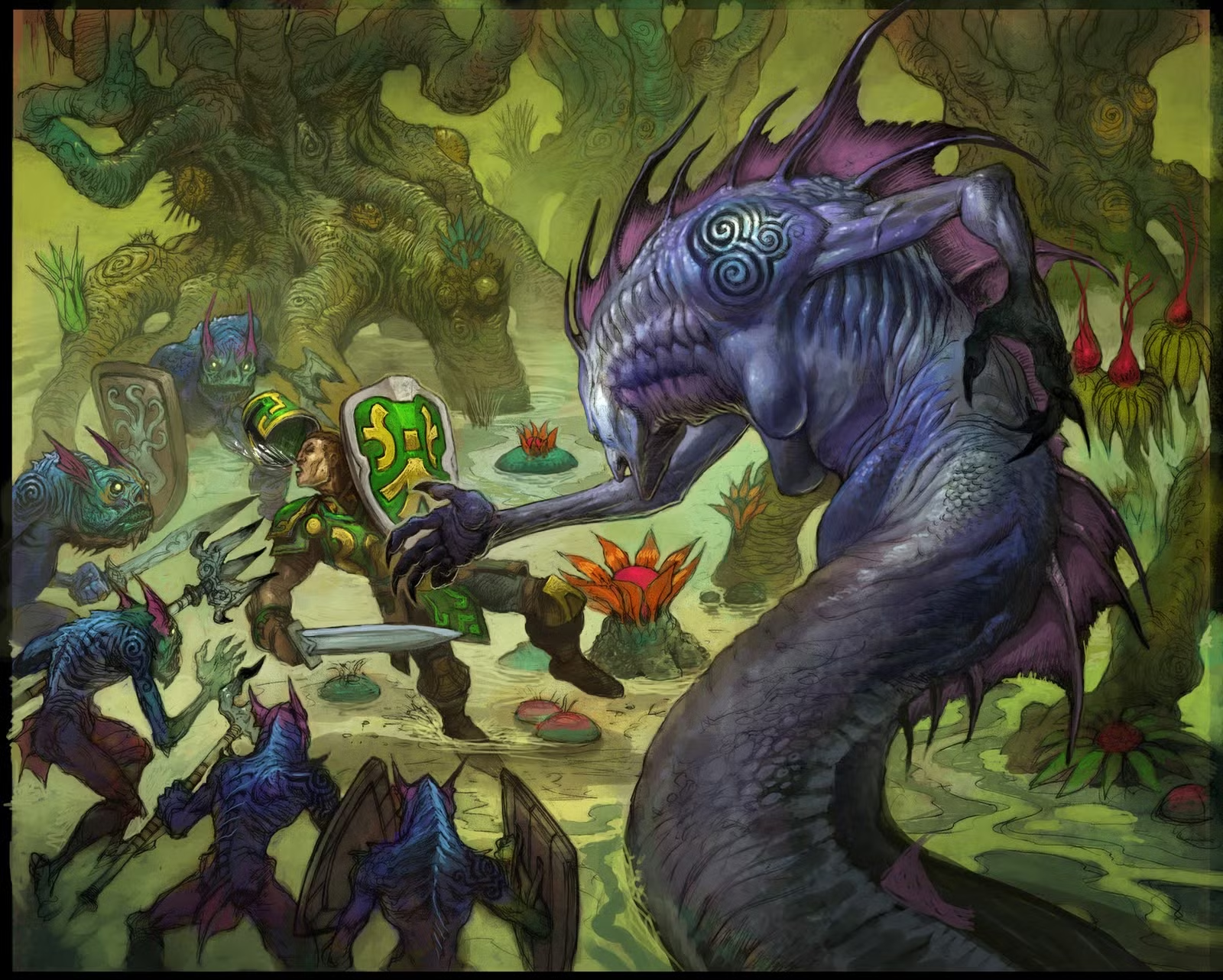
Kingdoms of Amalur, once celebrated as a fresh entry in the action RPG landscape, represents a cautionary tale about ambition and miscalculation in the game industry. When 38 Studios, founded by former baseball star Curt Schilling, introduced this vibrant fantasy world, it had the backing of Rhode Island to the tune of $75 million, a gamble aimed at launching a lucrative franchise. The hype surrounding its release in 2012 made it seem like a brilliant move, almost heralding a new era for the studio.
However, just a few months after its release, the excitement around Kingdoms of Amalur quickly soured. Despite garnering praise for its engaging gameplay and richly detailed environments, the game underperformed commercially, failing to generate the revenue needed to sustain its ambitious development pipeline. By May 2012, 38 Studios declared bankruptcy, leaving behind a trail of unpaid debts and disrupted careers. The studio’s abrupt downfall serves as a stark reminder that even the most promising ideas can falter under the weight of financial mismanagement and unrealistic expectations.
The fallout affected not just the employees who poured their creativity into the project but also the state of Rhode Island, which found itself tangled in a web of political controversy and economic scrutiny. Questions of accountability arose as the state sought to recover its investment, highlighting the fragile nature of financing large-scale game projects. The legacy of 38 Studios continues to linger in conversations about the risks inherent in video game development, showcasing how high-stakes ventures can turn into stories of caution, affecting not just studios, but entire communities.
Looking back, Kingdoms of Amalur was more than just a captivating game. It was an ambitious vision that reflected the dreams and struggles of the people behind it. The game still holds a special place in the hearts of many for its gameplay innovations and its art direction. As we reflect on this chapter in gaming history, it becomes clear that the story of 38 Studios is not merely about a failed company, but about the complexities of creativity, ambition, and the harsh realities of the industry.
Source: polygon.com