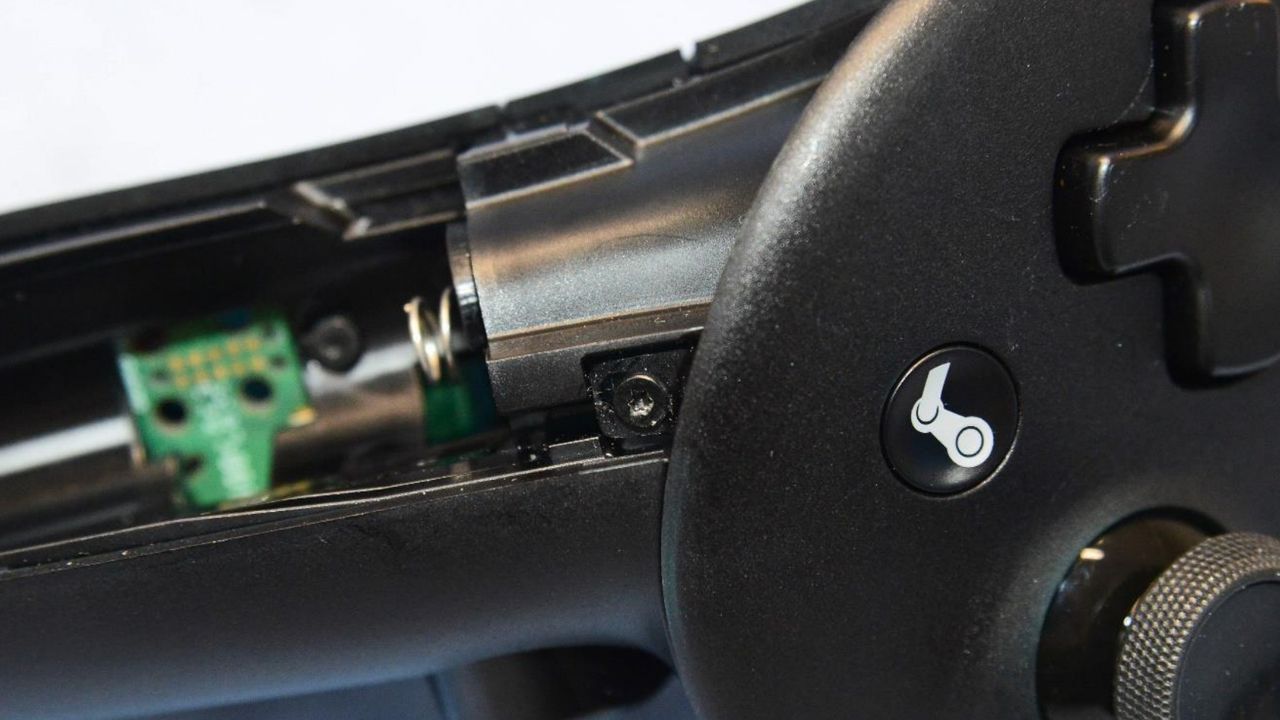
In the world of gaming peripherals, having the right tools can make all the difference, both in performance and comfort. The recent teardown images of Valve's Steam Frame controller reveal an interesting potential for repairability, suggesting that this new piece of hardware could learn some valuable lessons from its predecessor, the Steam Controller.
When Valve first introduced the Steam Controller, it was a curious blend of retro and innovation, trying to bridge the gap between traditional console controls and the more flexible, nuanced demands of PC gaming. While the initial reception was mixed, it became clear that what the device lacked in immediate user-friendliness, it made up for with its ambitious design and adaptability. Now, with the unveiling of the Steam Frame controller, there’s a palpable sense of anticipation mixed with nostalgia, echoing the same spirit of experimentation.
The teardown photos reveal a clean interior with a modular design that stands as a testament to Valve’s commitment to user-fixable technology. Gamers often find themselves frustrated with hardware that is designed to meet a certain lifespan but leaves no room for repair after it falters. Valve appears to be addressing that concern head-on here, emphasizing a more sustainable approach in an industry often criticized for frequent device obsolescence.
The layout of the components looks intuitive, with clearly identifiable sections that could be easily accessed by a moderately handy user. This accessibility could foster a growing community of DIY repair enthusiasts. It’s refreshing to see a company taking a stance for longevity; in a market saturated with disposable electronics, the Steam Frame controller shows promise for a future where gamers can tinker and maintain their gear rather than relinquishing it to the depths of e-waste.
Moreover, the design choices highlight a meticulous attention to user experience. Valving the need for not just functionality but also comfort is paramount. Feedback from the Steam Controller's user base has likely informed some of the decisions made in this new model. This time around, Valve seems to understand that a controller isn’t just a piece of hardware but a conduit for immersive experiences, and gamers bond with their controllers in a way that goes far beyond the physical.
Looking at the images, there’s an undeniable sense of connection to the past. The Steam Controller carved a unique niche for itself, even if it didn’t hit all the right notes for everyone. If Valve can harness what worked and improve on it with the Steam Frame, they might not only recapture old fans but also win over new ones who are looking for an innovative edge in their gaming experience.
Repairability isn’t just a buzzword; it’s a radical notion in an era where we’re increasingly concerned about environmental impact and product lifecycle. By embracing this philosophy, Valve is sending a clear message that they’re committed to not just creating gaming hardware, but fostering a community of informed, engaged users. The teardown of the Steam Frame controller suggests that Valve is on a promising path, one that respects the player, their experience, and the planet.
As we await the full launch and consumer feedback, it is clear that the evolution of the Steam Frame controller could mark another milestone in how we interface with our games and each other. Let’s hope it can indeed follow in the footsteps of its predecessor, proving that there truly is magic in the union of innovation and adaptability, all while keeping repairability at the forefront.