Watchmen and Disclosure Day share a similar plot but very different message
2KINTEL DESK3 min read
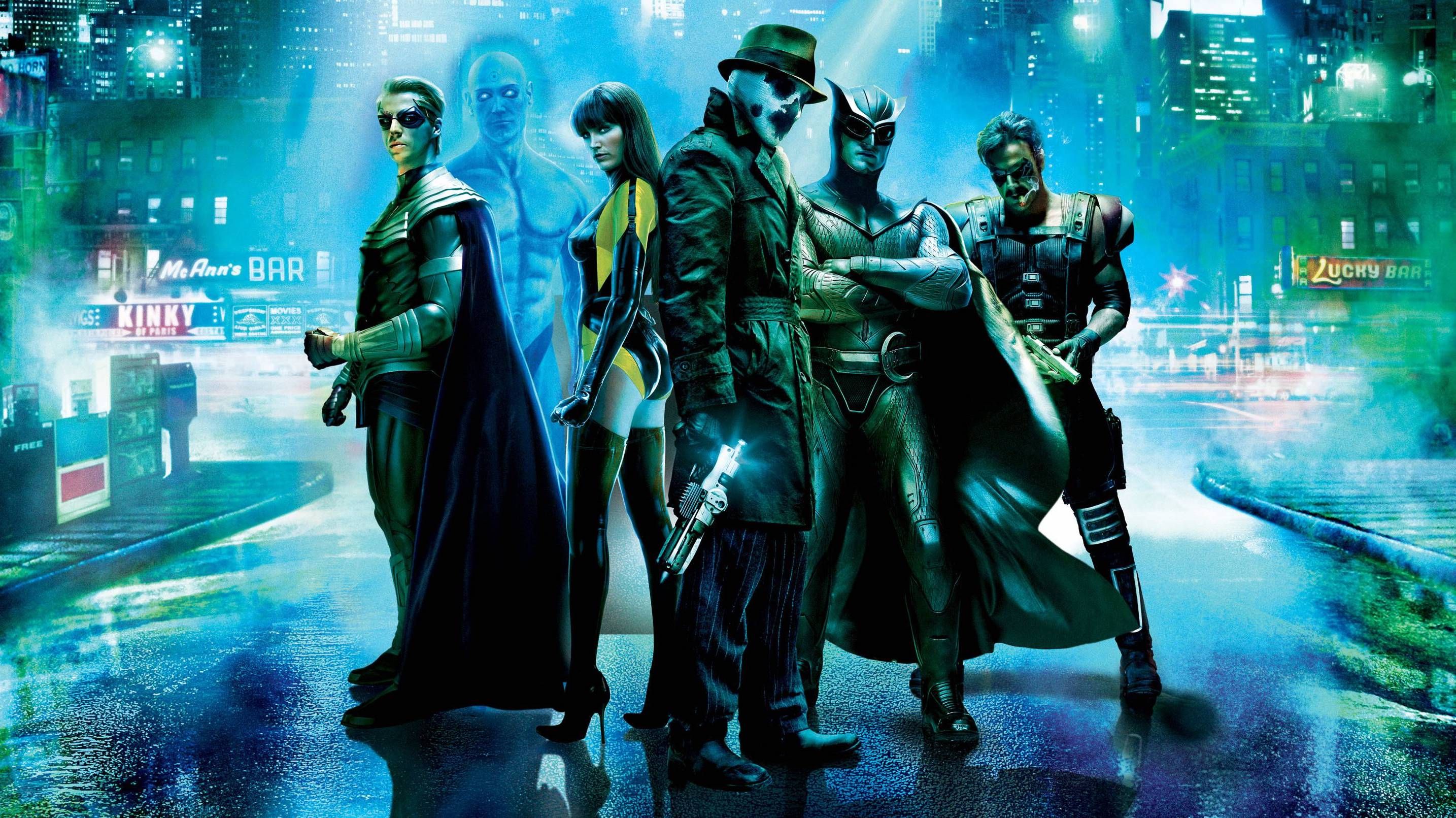
In the realm of storytelling, the intersection of comic books and film often leads to intriguing explorations of themes that resonate with both creators and audiences. One fascinating instance is the parallel between Alan Moore’s seminal graphic novel Watchmen and Steven Spielberg’s thought-provoking film Disclosure Day. On the surface, both narratives employ extraterrestrial elements to weave a tale about humanity on the brink of chaos, yet their underlying messages diverge dramatically.
Watchmen, published in the mid-1980s, offered a gritty take on the superhero genre, using the potential threat of alien intervention to highlight the fragility of peace during the Cold War. The story unfolds in a world where the existence of masked vigilantes has led to an uneasy truce, punctuated by the ever-looming prospect of nuclear annihilation. The arrival of a powerful alien entity serves as the catalyst for a united front, compelling previously antagonistic nations to reconsider their hostilities. It’s a cynical but poignant commentary on human nature, the desperation for survival, and how the fear of destruction can forge unexpected alliances.
Fast forward to Disclosure Day. While it shares an alien visitation as its plotting linchpin, the narrative adopts a markedly different approach. Rather than exploring humanity’s capacity for conflict resolution through mutual fear, Disclosure Day leans into themes of unity and hope. Its aliens are not harbingers of doom but instead embody a potential for collaboration and growth. This film challenges viewers to reflect on the consequences of division. It prompts a journey toward understanding rather than a reactive scramble for survival. The aliens’ arrival acts not as a threat, but as a herald of possibility and evolution—a stark contrast to Watchmen’s darker vision.
This divergence in messaging reveals a cultural shift in how we view outside forces. Watchmen, born out of an era rife with political tension, embodies the anxiety of its time, evoking a sense of mistrust not only in others but within our very selves. In contrast, Disclosure Day expresses a desire for connection, encouraging us to embrace differences rather than fear them. While both stories ultimately compel characters and viewers alike to reconsider their positions, the process and outcomes of those reckonings reflect the vastly different worlds from which they sprang.
The aesthetic choices also tell a story. Watchmen employs dark, brooding visuals packed with complex characters who navigate moral ambiguity. This darkness mirrors the narrative’s themes, showcasing the complications of human nature and the choices we make under pressure. On the flip side, Disclosure Day opts for a more colorful palette, filled with awe-inspiring visuals designed to inspire wonder rather than dread. The cinematography emphasizes beauty over bleakness, framing the alien encounter as a moment of potential rather than peril.
While both Watchmen and Disclosure Day paint complex pictures of a society on the precipice of change, they encapsulate the duality of human experience. One grapples with our darkest instincts, forcing us to reckon with our flaws, while the other illuminates a path toward understanding, suggesting that hope can spring from the most alien of encounters. These narratives remind us that the manner in which we respond to fear and uncertainty can shape not only our stories but our reality. Ultimately, in a world rife with conflict and division, the exploration of such themes through the lens of science fiction invites us to reflect on our shared humanity. After all, regardless of how we view the alien, the true threat often lies in our inability to connect with one another.