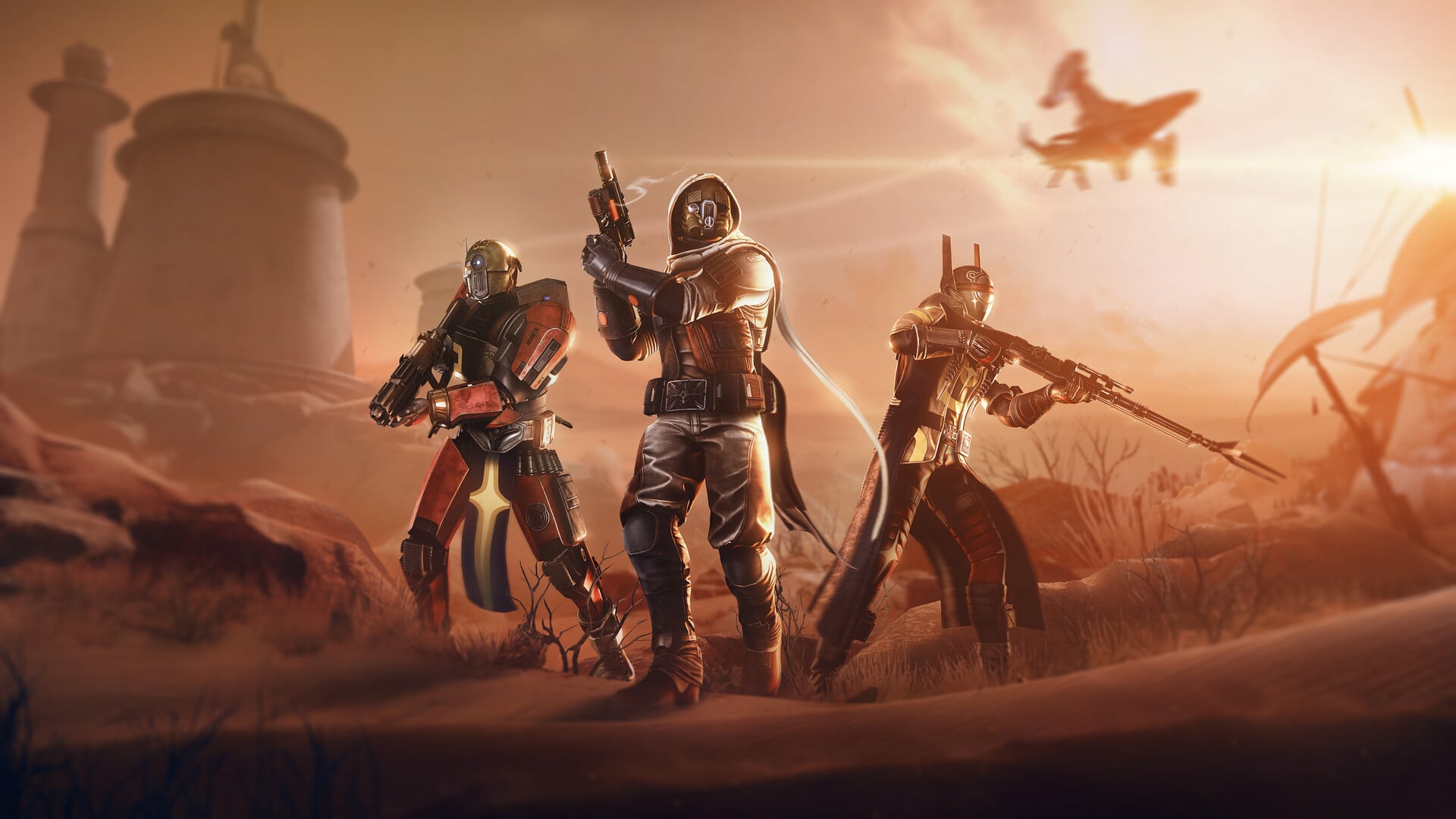
Despite the rampant competition in the gaming industry, it's interesting to observe how developers perceive each other's successes and failures. Recently, one of the key figures behind the popular free-to-play game Warframe expressed genuine sentiment regarding the impending closure of content for Destiny 2. This perspective offers a rare glimpse into how rival developers view the landscape of gaming, particularly when a popular title faces significant changes.
It’s a sentiment echoed by many in the community—the end of significant updates for Destiny 2 feels like a bittersweet conclusion to a saga that has captivated millions. For fans who have invested countless hours into Bungie's expansive universe, the news might feel like the closing of a beloved chapter. The reaction from the Warframe team, particularly the comparison of challenges faced in both titles, sheds light on the complexities of the gaming scene.
At the heart of the conversation is the idea that a vibrant competitive atmosphere benefits everyone involved. The Warframe developers emphasized how a thriving market, where games challenge each other, ultimately leads to better experiences for players. When developers push each other, innovations emerge, and that cycle of competition drives studios to enhance their offerings. The vibrant exchanges between games not only elevate player expectations but also inspire studios to reach new heights. Only through that competitive spirit can any player truly appreciate the evolution of their favorite games.
In contrasting the two titles, it becomes evident how different approaches can lead to different player experiences. Destiny 2 has built an intricate sci-fi universe filled with lore and engaging gameplay, while Warframe thrives on its fast-paced action and ever-changing content. Each game has carved out a niche, yet the ongoing presence of both ensures players are continuously offered fresh experiences.
Nevertheless, as support for Destiny 2 shifts, it's crucial to recognize the weight such a transition carries. Many players have forged communities within the gameplay and lore, and seeing that come to a halt can be discouraging. There's a sense of loss for those who have poured time and energy into a game that has grown alongside them. It's that shared journey that binds players to a title, amplifying the risk of disappointment when a game’s pulse begins to fade.
The Warframe team’s reflections underscore a broader truth: developers are, at their core, passionate gamers themselves. They understand the emotional rollercoaster a title can evoke and the ramifications of dramatic shifts in their beloved gaming worlds. It’s clear that this sentiment isn't born from competition but from mutual respect and understanding.
Looking ahead, it’s hard not to wonder what the landscape will look like as players navigate these changes. Will they flock to Warframe for their fix of high-octane gameplay, or will they diversify their experiences in this ever-abundant playground of digital entertainment? Only time will tell, but for now, the discussions between developers remain a poignant reminder of the interconnected nature of games and the players who love them.
As we collectively move through this transitional phase, let’s embrace the competition, celebrate innovation, and find joy in the experiences that gaming continues to offer. After all, whether battling alongside friends in Destiny or while wielding your Warframe, it’s all about the thrill of the adventure and the stories we create along the way.