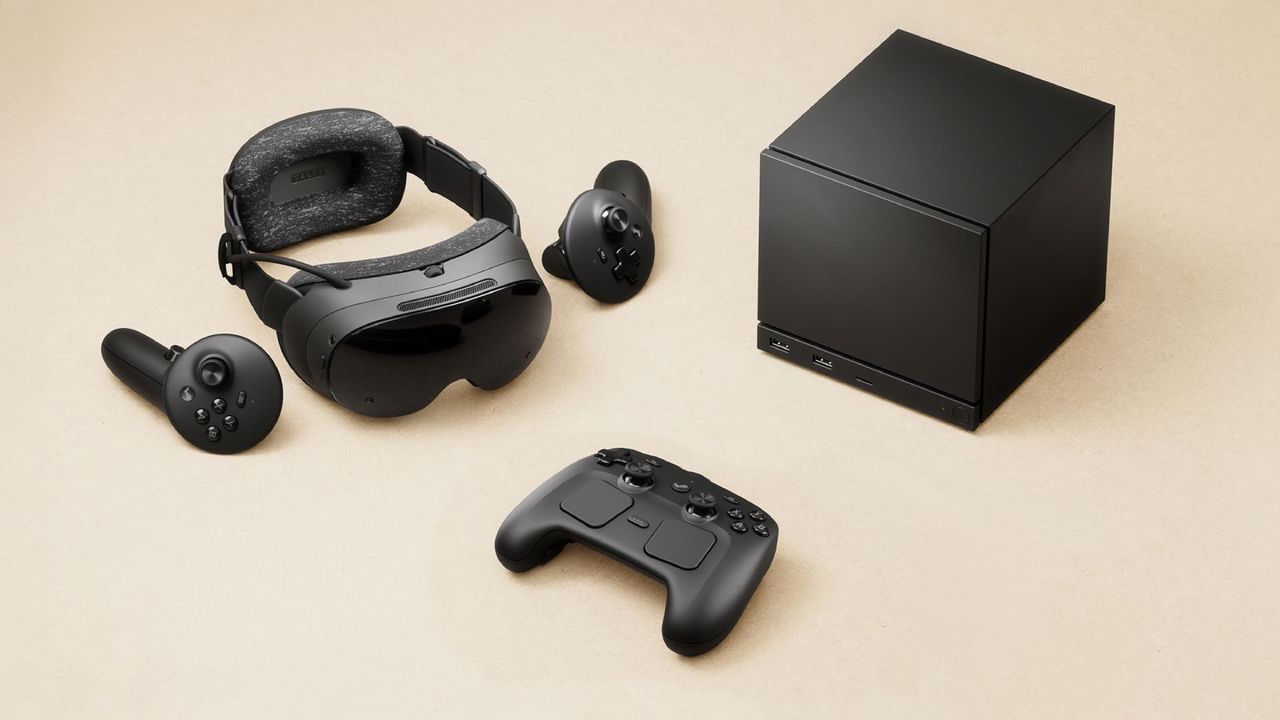
Valve has officially rolled out its latest version of SteamOS, and the news has gamers buzzing with excitement, especially with the spotlight trained on upcoming Steam Machine hardware. This release not only represents a key step for Valve as it continues to refine its ecosystem but also signals its commitment to enhancing the gaming experience across various platforms.
For those who have followed Valve's journey, this release feels particularly significant. Over the years, SteamOS has evolved from a Linux-based operating system positioned as a game changer for living room gaming to a more polished platform that embraces modern computing needs. The transition from a somewhat niche offering to an operating system that can actually compete with mainstream options is no small achievement.
One of the standout features in this latest version is the functional OLED charging LED. Gamers who have had the pleasure of using devices equipped with OLED displays know that these tiny lights can make all the difference. They're not just for show; they provide crucial information about device status at a glance. After some past issues, it seems this feature now works as it should, signaling Valve’s attention to detail and responsiveness to user feedback. It’s these kinds of improvements that can elevate SteamOS from an interesting option to a must-have for serious gamers.
But let’s not forget the bigger picture at play here. SteamOS is not merely a standalone operating system; it’s part of a broader strategy tied to the Steam Machine initiative. For those who may not be familiar, Steam Machines were originally hailed as the potential bridge between PC and console gaming, bringing the Steam library into the living room. While the first wave of these machines didn’t quite capture the market as Valve might have hoped, the renewed focus indicates that the company isn’t ready to abandon the idea just yet.
This latest version of SteamOS hints at stronger support for upcoming hardware, aligning perfectly with the resurgence of interest in dedicated gaming machines. The combination of user-friendly features and tailored support for games means that Valve is positioning itself to take another shot at grabbing a piece of that living room market. Imagine a more cohesive experience where everything from game library management to system performance operates seamlessly under one banner; that’s the vision that feels more attainable with each enhancement.
With the rising popularity of PC gaming, fueled by a surge in accessibility and the growing acceptance of Linux as a viable gaming platform, the timing of this update could not be better. Valve’s commitment to cross-platform compatibility and open-source principles resonates well with a community that values choice and customization. This latest evolution is not just about bringing more titles to players; it’s about enhancing the overall quality of the gaming experience.
In the arena of gaming hardware and software, where stability and performance reign supreme, Valve has shown it’s willing to take risks and refine its approach. As the gaming landscape continues to shift and evolve, it’s exciting to see how SteamOS will adapt to meet the demands of both seasoned players and newcomers to gaming alike. The road ahead looks promising, and for those invested in the Valve ecosystem, this latest release is a step in the right direction.