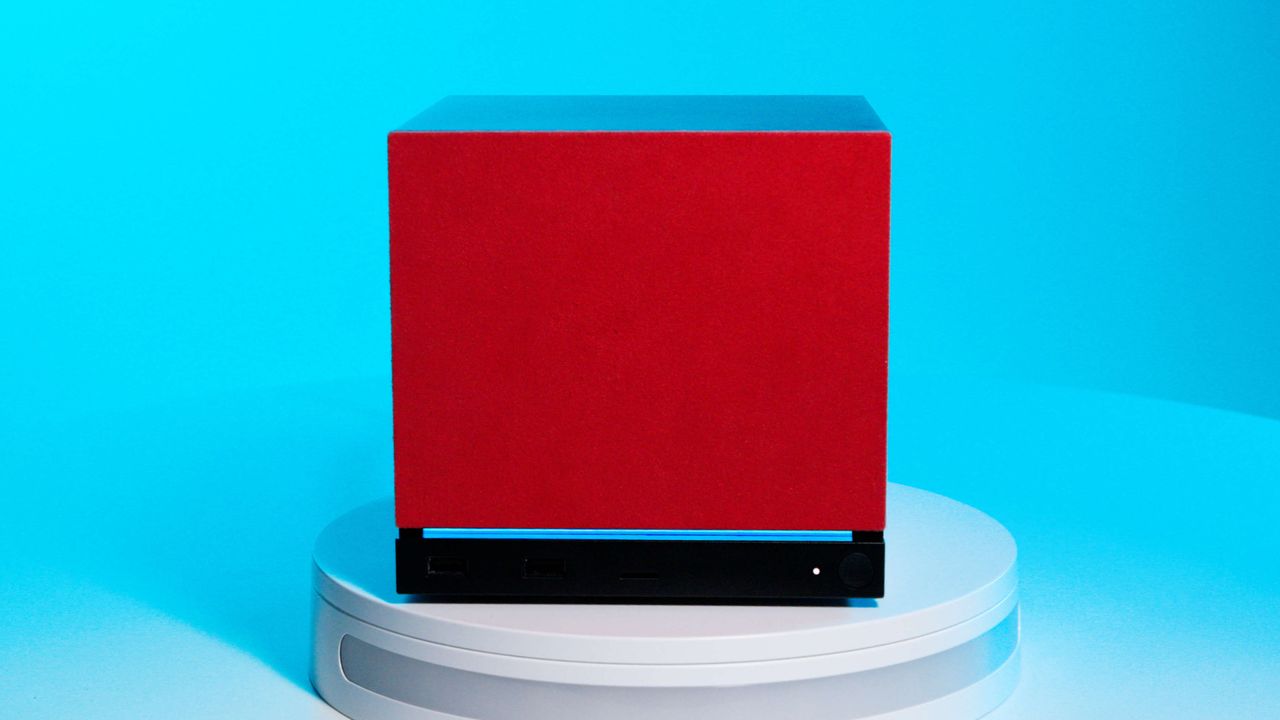
In the ever-evolving landscape of gaming hardware, there's often more than meets the eye. Valve, a company synonymous with the Steam platform and iconic titles, recently revealed its uncertainty about the availability of Steam Machines at the beginning of 2026. This revelation emerged during a candid conversation that highlighted the challenges facing not just Valve but the entire gaming industry as it navigates a complex supply chain crisis exacerbated by lingering issues in the RAM market.
It’s hard to believe that so many gamers are now staring down the barrel of a new year without a clear picture of what they can expect in the realm of PC gaming hardware. Valve has long been at the intersection of innovation and accessibility, and the Steam Machine was envisioned as a bridge between PC gaming and the living room. Yet here we are, with Valve admitting they were grappling with serious concerns about manufacturing and distribution. It’s revealing, to say the least, especially for a company that has shaped gaming culture over the past two decades.
The RAM crisis is no small issue. Over the years, components that power our beloved gaming experiences have been impacted by shortages, price hikes, and delays. These challenges have rippled through the industry, hitting both the big players and smaller developers alike. Valve's predicament illustrates just how precarious the balance can be in tech-centric fields where supply can quickly dwindle and demand skyrockets. It's a stark reminder that behind the flashy announcements and marketing blitzes, the hardware business is fraught with uncertainties.
Valve is no stranger to obstacles. From launching innovative platforms like Steam to cultivating a robust ecosystem that supports indies and AAA games, their track record in overcoming hurdles is commendable. However, admitting that things looked really dire paints a picture of a company that is feeling the weight of its aspirations. As Valve considers the future of the Steam Machine, it raises legitimate concerns about whether they can maintain the enthusiasm of gamers who have been eagerly awaiting new hardware.
What makes this situation all the more significant is the context in which these Steam Machines were revealed. The landscape of gaming has rapidly transformed over the last few years, with consoles becoming ever more sophisticated, and cloud gaming emerging as a viable alternative. Still, there remains a niche of gamers who crave the customization and flexibility that only a PC can provide. Valve had aimed to capture that niche with its Steam Machines, yet the prospect of slim inventory stirs anxieties of being left behind in a marketplace that can pivot unexpectedly.
While Valve is undoubtedly active in exploring solutions, it’s crucial for gamers to remain patient and understanding of the challenges behind the scenes. This is, after all, a testament to the complexities of the tech industry. As we eagerly await news of new releases and innovative hardware, it’s essential to recognize that the path doesn't always run smooth. Even Valve, a titan in the gaming community, is subject to the unexpected twists that come with manufacturing and supply chains.
As 2026 nears, gamers need to be flexible in their expectations. The continual evolution of technology is bound to surprise us, but it can also frustrate. For now, we wait and watch, hopeful that Valve can rise to meet the challenges ahead, just as they have in the past. Ultimately, the world of gaming thrives on innovation, and if anyone knows how to pivot in uncertain waters, it’s the teams that continue to push boundaries in pursuit of better gaming experiences.