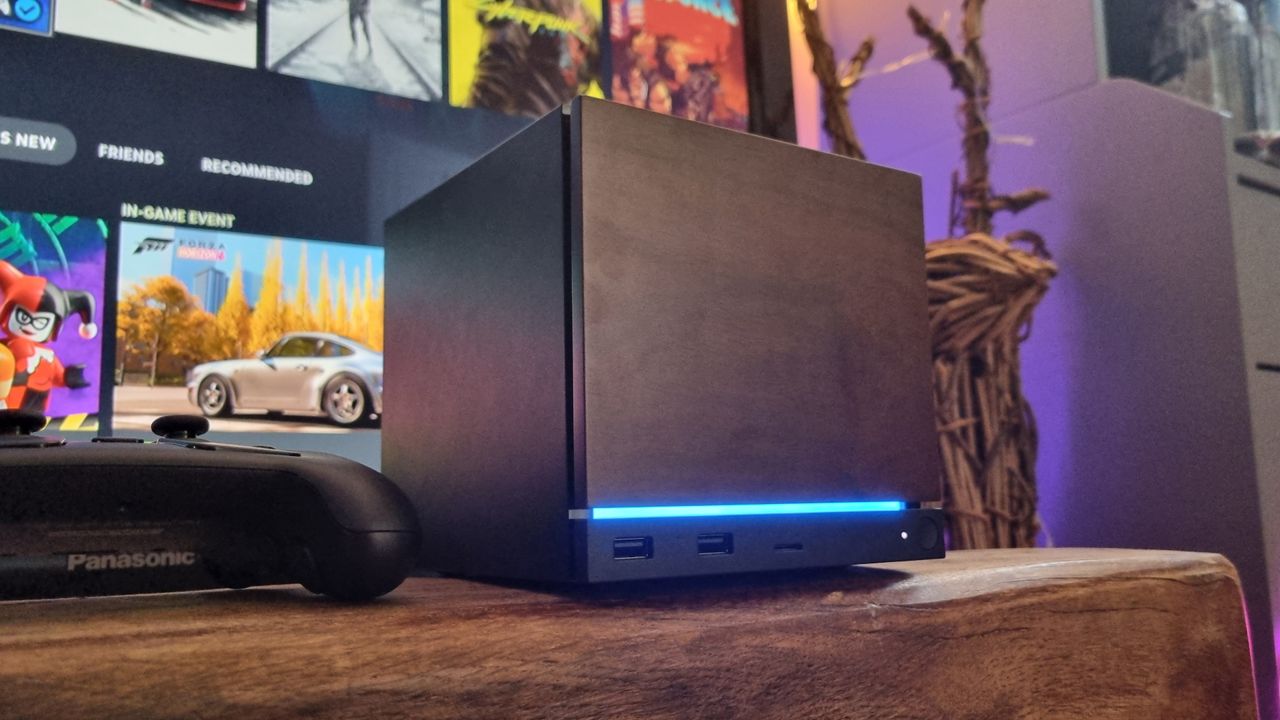
In a recent update that’s sure to spark conversations across the gaming community, Valve has made it clear that it won’t be subsidizing the Steam Machine’s hefty price tag of $1,050. Their reasoning, as it turns out, is rooted in a philosophy that embraces openness and consumer choice over profit-driven strategies. This stance showcases Valve's commitment to what they describe as their “religious” belief in creating a more open gaming landscape.
While many gamers might expect a company like Valve to step in and cushion the financial blow by lowering the price of entry into the Steam Machine ecosystem, the firm argues that such subsidies may ultimately impede consumer interests. According to Valve, artificially reducing hardware costs can lead to a host of long-term issues that could ultimately burden buyers rather than help them. Instead of targeting short-term sales gains, the company believes fostering an open and competitive environment is the best way to serve its audience.
It's refreshing to see a major player in the industry resisting the temptation to play the traditional gadget game, where companies flood the market with discounted hardware, only to chain consumers to proprietary ecosystems and expensive add-ons down the road. Valve’s position emphasizes that the gaming experience should be as unrestricted as possible, which resonates with its established reputation for championing user freedom.
The conversation around the Steam Machine often centers on its ambitious goal: to combine the benefits of PC gaming with the convenience of console play. The initial excitement surrounding the device was palpable, given the promise of a more accessible gaming experience, but a price point like $1,050 raises eyebrows and questions about the market's appetite for premium off-the-shelf PCs. Gamers, who are often seen as a fickle audience, might be hesitant to invest in hardware that costs as much as a decent gaming rig, especially when they can assemble or upgrade their setups on their own.
In the face of criticism regarding affordability, Valve seems prepared to let its philosophy speak for itself. By refusing to engage in the vicious cycle of price slashing, the company positions itself as an advocate for a future where users have the power to customize their gaming experiences. This dedication to an open system invites a sense of community and shared innovation that seems to be lacking in many of today’s console offerings.
However, it’s not a matter of ignoring the consumer’s needs. Valve is well aware that at this price point, the Steam Machine may not be everyone's first choice. Still, they believe that making internal compromises to reduce costs would ultimately weaken the product’s value proposition. For those who are willing to spend the money, the promise is a premium device that remains entirely free from the usual constraints imposed by closed systems.
Whether this strategy will pay off remains to be seen. The gaming landscape is undoubtedly evolving, and players are always on the lookout for the best bang for their buck. Yet, for those who appreciate Valve's approach of prioritizing an open and unrestricted user experience, the Steam Machine could well represent a bold statement in a market increasingly dominated by closed ecosystems.
In a world where many companies look to cash in on closed hardware ecosystems, Valve is turning the conversation on its head. By standing firm on their principles and refraining from subsidies, they might just pave the way for a new era where gamers can enjoy a richer and more diverse landscape free from internal restrictions and excessive costs. It may be a gamble that could redefine the marketplace, but perhaps that's exactly the kind of risk that the gaming world needs.